
Main Hoon Na & Ramayana: Farah Khan Reacts to Fan Theories
🚨 Bollywood News Update — 2026-11-25
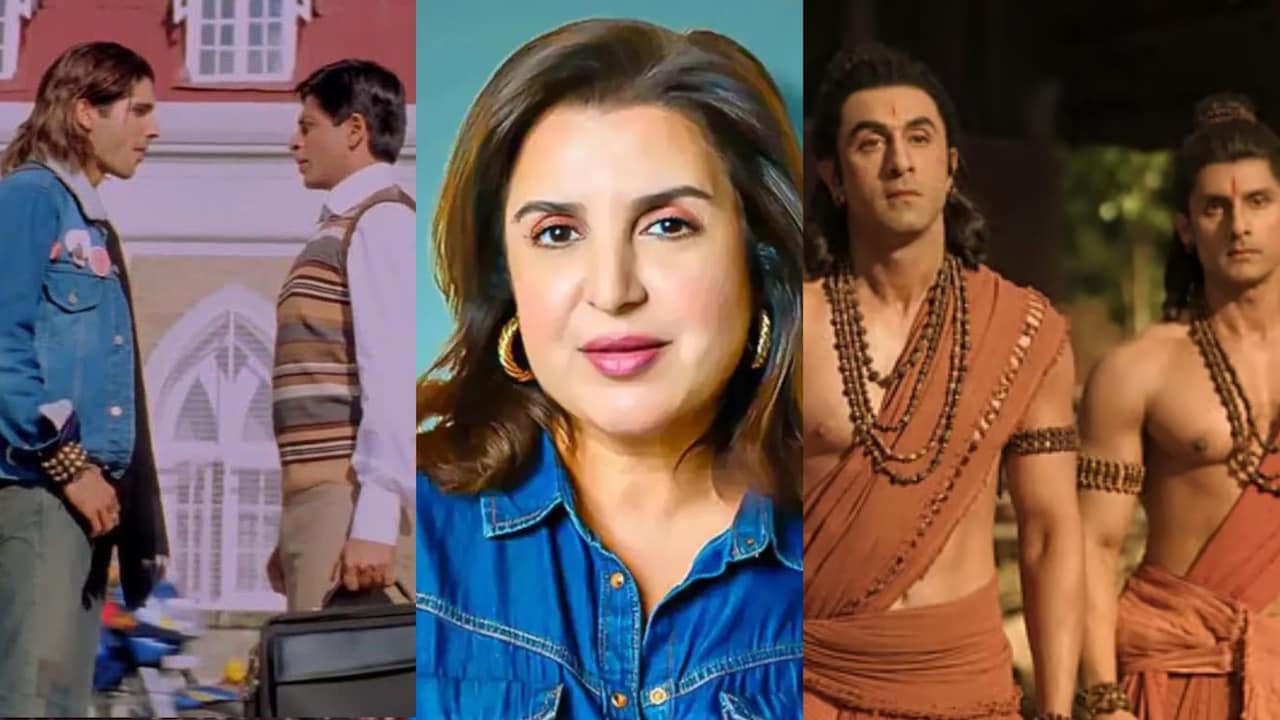
🎬 Latest Development: Farah Khan Delights in Ramayana Fan Theory for Main Hoon Na, Shares Her Own Insight!
Farah Khan on Fan Theories
📋 What You Need to Know
The 2004 blockbuster "Main Hoon Na," directed by Farah Khan, remains a beloved classic in Indian cinema, celebrated for its blend of action, romance, and patriotic undertones. Over the years, its intricate plot and memorable characters have sparked countless discussions among fans. One particular theory, however, has recently captured widespread attention: the uncanny parallels between the film's narrative and the epic Hindu mythological tale, the Ramayana. This ingenious observation, circulating widely across social media, posits that the film unknowingly mirrors the ancient saga. What makes this theory even more captivating is the director's own reaction to it. Farah Khan, known for her candidness, recently weighed in on these fan theories, offering a response that has only added another layer of intrigue to her iconic directorial debut.
🎭 Complete Story
The fan theory linking "Main Hoon Na" to the Ramayana gained significant traction for its detailed comparisons between the film's central characters and those of the epic. According to proponents of this theory, Major Ram Sharma (Shah Rukh Khan) embodies Lord Rama, a dutiful son and protector. His mission to protect General Amar Bakshi's daughter, Sanjana (Amrita Rao), while also reconciling his estranged brother Lakshman (Zayed Khan), draws striking parallels to Rama's journey to rescue Sita and unite with his brother Lakshmana. The character of Sanjana is often seen as Sita, the innocent girl who needs protection, while the rebellious Lakshman mirrors the loyal but sometimes hot-headed Lakshmana. The most intriguing parallel is drawn with the film's antagonist, Raghav Dutta (Suniel Shetty), who is likened to Raavana, the formidable ten-headed demon king, due to his obsessive desire for revenge and his capture of a key figure (Sanjana, in an indirect sense, as his target).
When this elaborate theory reached Farah Khan, her reaction was far from dismissive. Instead, she reportedly embraced the observation with genuine delight and amusement. Sources indicate she found the fan theory "epic" and appreciated the depth of interpretation fans brought to her work. While she clarified that these parallels were entirely unintentional during the film's conceptualization and production, she expressed admiration for the fans' creativity and keen eye. Her interesting revelation wasn't a confirmation of intentional homage, but rather an acknowledgement of how art can resonate and be reinterpreted in myriad ways, often uncovering layers even the creator hadn't consciously embedded. This positive reception from the director herself has only fueled the theory's popularity, cementing "Main Hoon Na" as a film with a surprising mythological undercurrent, at least in the eyes of its dedicated audience.
📊 Industry Analysis
The phenomenon of fan theories has become an integral part of modern film culture, particularly in an era dominated by social media and instant global communication. For Bollywood, a film industry deeply rooted in storytelling and often drawing from cultural epics, these theories serve multiple purposes. Firstly, they extend a film's lifespan, keeping it relevant and sparking new discussions years, or even decades, after its release. "Main Hoon Na," released nearly two decades ago, experiencing a resurgence in conversation due to this Ramayana theory, is a prime example. Secondly, fan theories foster a deeper level of engagement between the audience and the narrative, transforming passive viewers into active interpreters and co-creators of meaning. This active participation builds a strong sense of community around the film.
Furthermore, a director's reaction to such theories can significantly impact their trajectory. A positive and appreciative response, like Farah Khan's, validates the fans' intellectual investment and encourages further exploration. It humanizes the filmmaking process, bridging the gap between creator and audience. In an industry often criticized for formulaic content, these theories highlight the unintended complexities and layers that can exist within commercial cinema, proving that even a seemingly straightforward action-romance can hold mythological or philosophical depths. This trend also underscores the power of collective intelligence and the democratic nature of interpretation in the digital age, where the audience's voice can redefine a film's legacy.
💬 Expert Commentary
"The dynamic interaction between creators and their audience, especially in the realm of fan theories, speaks volumes about the evolving nature of storytelling and reception," observes Dr. Anjali Sharma, a cultural anthropologist specializing in South Asian cinema. "Farah Khan's reaction to the 'Main Hoon Na'–Ramayana theory is exemplary. It demonstrates an understanding that once a piece of art is released, it takes on a life of its own, open to infinite interpretations. Filmmakers, consciously or unconsciously, draw from a vast cultural reservoir. In India, the Ramayana isn't just a story; it's deeply ingrained in the collective psyche, shaping archetypes, narratives, and moral frameworks. It's almost inevitable that elements of such a foundational epic would surface in contemporary storytelling, whether by design or by serendipity."
Dr. Sharma further elaborates, "This specific theory highlights how audiences are not just consumers but active meaning-makers. They decode, connect, and re-contextualize narratives, often revealing layers that were perhaps latent even to the creators. Farah Khan's appreciation for this fan-generated insight not only solidifies her film's place in popular culture but also enriches the discourse around cinematic interpretation. It validates the audience's intelligence and their emotional investment, fostering a more collaborative relationship between the film industry and its patrons. Such interactions are vital for maintaining the vibrancy and relevance of cinema in a rapidly changing media landscape."
🎯 Key Takeaways
The revelation of a compelling fan theory linking Farah Khan's directorial debut, "Main Hoon Na," to the ancient epic Ramayana has undoubtedly added a fascinating new dimension to the beloved film. Farah Khan's gracious and appreciative reaction, acknowledging the ingenuity of her fans while clarifying the unintentional nature of the parallels, serves as a powerful testament to the evolving relationship between filmmakers and their audience. This incident not only reinvigorates discussions around a classic Bollywood movie but also highlights the enduring power of fan engagement and collective interpretation in the digital age. It reminds us that stories, once released into the world, take on a life of their own, capable of inspiring interpretations far beyond their creators' original intent. "Main Hoon Na" continues to charm, and now, it does so with an unexpected mythological echo, proving that the magic of cinema often lies in the eyes of its most passionate viewers.
📢 Stay Updated
Follow Hindi Cinema News for entertainment updates. Share your thoughts in the comments.
