
Nitish Bharadwaj Slams Ranbir Kapoor's Ramayana: 'Agenda Film'
🚨 Bollywood News Update — 2026-11-19
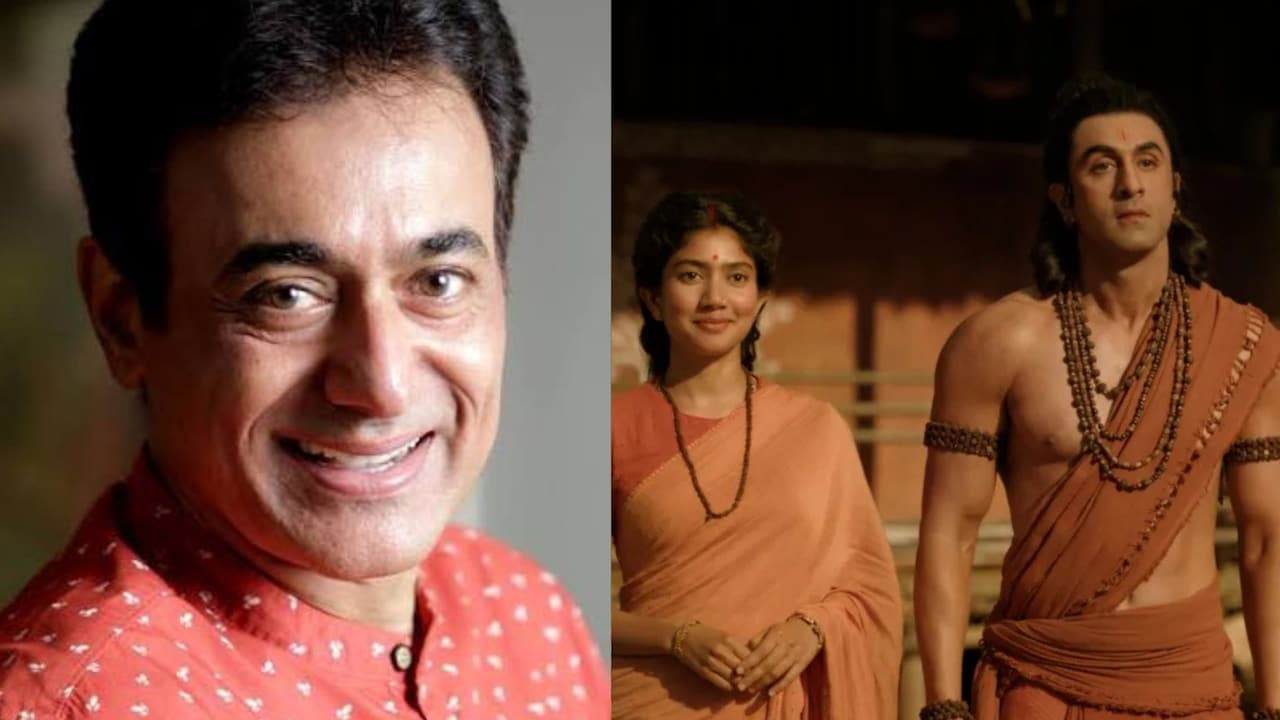
🎬 Latest Development: Mahabharat's Krishna, Nitish Bharadwaj, Unleashes Blistering Critique on Ranbir Kapoor's 'Ramayana,' Citing 'Blasphemous Agenda'
Epic Adaptation Fuels Blasphemy Claims
📋 What You Need to Know
The cinematic adaptation of India's revered epic, Ramayana, starring Ranbir Kapoor, has ignited a fierce debate even before its official release. At the heart of this storm is veteran actor Nitish Bharadwaj, globally recognized for his iconic portrayal of Lord Krishna in B.R. Chopra's 'Mahabharat.' In a candid interview with NDTV, Bharadwaj didn't mince words, labeling the upcoming film an "agenda film" and questioning its very funding. His scathing critique zeroes in on what he perceives as a dangerous distortion of the sacred narrative, specifically alleging that the film elevates Ravan to a heroic status while diminishing Lord Ram to a mere mortal. Such a reinterpretation, he asserts, amounts to nothing less than "blasphemy," sending shockwaves through both the film industry and devout communities.
🎭 Complete Story
Nitish Bharadwaj's apprehension stems from what he understands to be a fundamental misrepresentation of the Ramayana's core tenets. According to Bharadwaj, the epic is not merely a story but a sacred text that delineates the triumph of dharma over adharma, with Lord Ram embodying divine virtues and Ravan representing unrighteousness. His primary concern, articulated passionately, is the rumored narrative arc that seeks to humanize Ravan to the extent of making him a sympathetic hero. "Turning Ravan into a hero is blasphemy," Bharadwaj stated, emphasizing that such a portrayal fundamentally alters the moral compass of the epic and, by extension, Hindu philosophy. He argues that reducing Lord Ram to "a mere mortal" stripped of his divine attributes not only disrespects millions of believers but also undermines the spiritual essence of the tale. Bharadwaj's critique extends beyond thematic interpretation; he provocatively questions the financial backing of the project, suggesting that the substantial investment might be driven by ulterior motives rather than genuine artistic or devotional intent. This insinuation of an "agenda film" implies a deliberate effort to subvert established religious narratives, potentially to influence cultural or political discourse. For an actor who has embodied a divine figure for an entire generation, the perceived desecration of another revered deity's story is deeply personal and culturally significant. His comments highlight a growing tension between artistic license and religious reverence, particularly when dealing with stories that hold profound spiritual weight for a vast populace.
📊 Industry Analysis
The controversy surrounding Ranbir Kapoor's 'Ramayana' and Nitish Bharadwaj's comments underscores a perennial challenge faced by filmmakers in India: adapting beloved mythological epics. These narratives are not just stories; they are ingrained in the cultural, religious, and social fabric of the nation. Any deviation from widely accepted interpretations often triggers strong reactions, balancing creative freedom against deep-seated public sentiment. Historically, successful adaptations like Ramanand Sagar's 'Ramayan' or B.R. Chopra's 'Mahabharat' adhered closely to traditional interpretations, earning widespread acceptance and reverence. However, modern cinema often seeks to offer fresh perspectives, explore complexities, and resonate with contemporary audiences. This pursuit frequently clashes with the unwavering faith and established understanding of religious texts. The commercial stakes are incredibly high, with mythological films often commanding massive budgets and promising significant box office returns if they strike the right chord, or facing severe losses and public backlash if they misstep. Recent examples, such as 'Adipurush,' illustrate the immense public scrutiny and potential for financial and reputational damage when an adaptation is perceived as disrespectful or inaccurate. Filmmakers must navigate a tightrope, attempting to innovate and engage new viewers while respecting the spiritual sanctity and emotional attachment millions hold for these sacred tales.
💬 Expert Commentary
"Adapting epics like the Ramayana is a double-edged sword," remarks Dr. Alok Gupta, a cultural historian specializing in Indian cinema. "On one hand, there's immense creative potential to explore timeless themes. On the other, filmmakers must contend with centuries of established interpretation and deep religious reverence. Nitish Bharadwaj's comments reflect a legitimate concern among many devout individuals who see these stories not as fiction, but as historical and spiritual truths." Renowned film critic, Ananya Sharma, adds, "The industry is constantly grappling with this tension. Modern narratives often seek to add shades of grey, explore antagonists' motivations, or humanize divine figures. While artistically valid in other contexts, with epics, this approach often invites accusations of blasphemy or agenda-driven storytelling, especially when the source material is considered sacred. The funding aspect raised by Bharadwaj, while speculative, points to a broader concern about external influences shaping narratives that hold significant cultural power." Swami Dayanand Giri, a Vedic scholar, emphasizes, "Lord Ram is an ideal, a paradigm of righteousness. To reduce him to 'a mere mortal' or glorify Ravan undermines the very foundation of the epic's message. Artistic freedom must not trespass into the realm of faith and distort fundamental truths that guide millions."
🎯 Key Takeaways
Nitish Bharadwaj's impassioned critique of Ranbir Kapoor's 'Ramayana' has thrown a significant spotlight on the delicate balance filmmakers must strike when adapting India's sacred epics. His concerns about the alleged humanization of Ravan, the reduction of Lord Ram to a mere mortal, and the underlying "agenda" have resonated deeply with many who view the Ramayana not just as a story, but as an integral part of their faith and cultural identity. The debate encapsulates a larger conflict: artistic freedom versus religious reverence. While creative interpretations are vital for keeping ancient tales alive, they must also navigate the profound spiritual and emotional connection millions have with these narratives. As the film progresses towards its release, the creators will undoubtedly face intense scrutiny. How they address these profound criticisms, and whether the final product manages to bridge the gap between contemporary storytelling and traditional sanctity, will determine its reception and leave a lasting mark on the evolving landscape of Indian mythological cinema.
📢 Stay Updated
Follow Hindi Cinema News for entertainment updates. Share your thoughts in the comments.
