
Pakistani Dramas: Ban vs. Viral Storms in India
🚨 Bollywood News Update — 2026-11-24
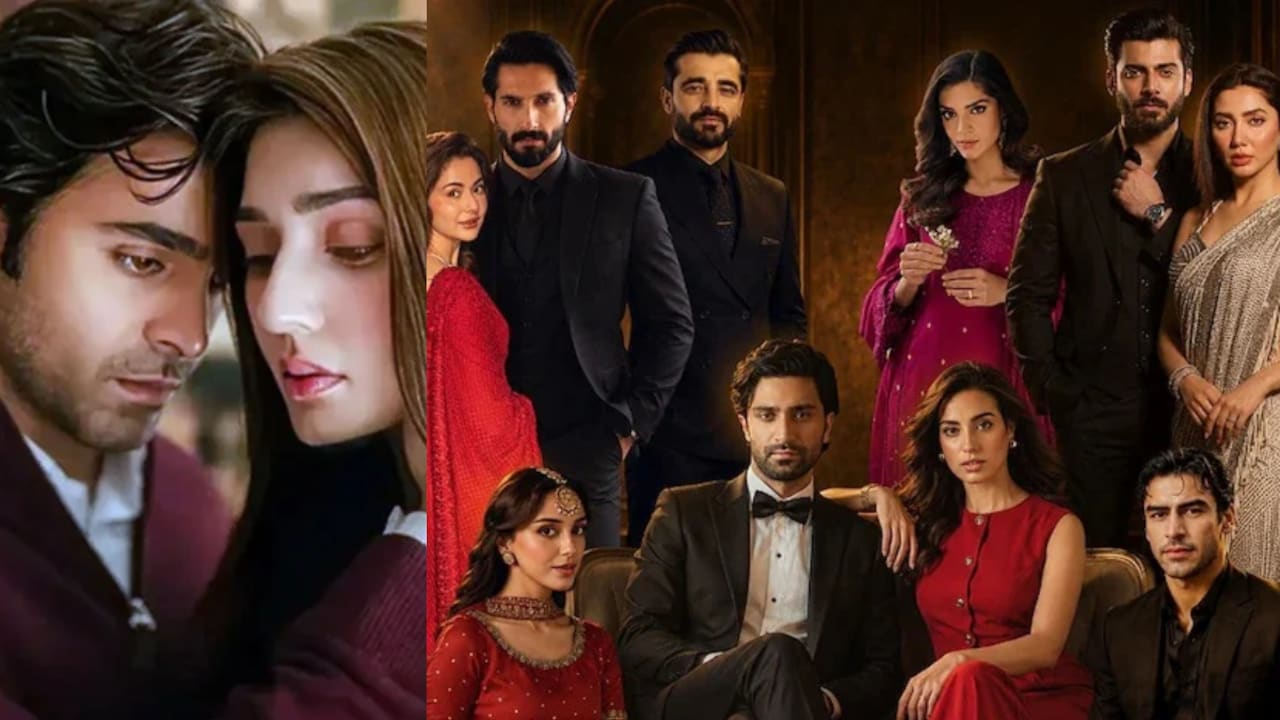
🎬 Latest Development: Cultural Clash or Cross-Border Craze? Pakistani Dramas Ignite India's Social Media
India's Divided View on Pakistani Dramas
📋 What You Need to Know
The digital age has amplified the already complex cultural exchange between India and Pakistan, a relationship often characterized by both shared heritage and political tension. Recently, two Pakistani dramas have perfectly encapsulated this paradox, triggering a social media storm in India that saw one show facing severe backlash and calls for a ban, while the other achieved immense viral success, captivating millions. This dual phenomenon highlights the intricate dynamics at play when art transcends borders, navigating a minefield of political sensitivities, historical grievances, and universal human appeal. Social media platforms, in particular, have become the epicentre of this storm, amplifying both admiration and outrage, and shaping narratives around cross-border entertainment. This post delves into the specifics of these two contrasting scenarios, exploring what these divergent reactions reveal about contemporary Indo-Pakistani cultural dynamics and the power of digital media.
🎭 Complete Story
The divergent fates of two recent Pakistani dramas in India underscore a fascinating cultural dichotomy. One, let’s hypothetically call it "Shattered Silhouettes," faced a fierce backlash, leading to demands for its ban. The controversy surrounding "Shattered Silhouettes" stemmed primarily from its perceived historical revisionism and narratives that some Indian viewers deemed politically provocative or disrespectful to national sentiments. For instance, specific plotlines or character portrayals were interpreted by certain groups as subtly propagating anti-India rhetoric or glorifying figures contentious in Indian history. This ignited a firestorm across various social media platforms, with hashtags like #BanPakistaniDramas and #BoycottShatteredSilhouettes trending furiously. Nationalist organizations and influential online personalities were quick to condemn the show, mobilizing public opinion and putting pressure on streaming platforms and broadcasters. The criticism wasn't solely about content; it also touched upon the broader implications of cultural exchange during periods of political tension.
Conversely, another Pakistani drama, "Zindagi Unlocked," achieved unprecedented viral success, captivating Indian audiences across demographics. This show, a contemporary romantic drama centered on themes of love, family values, and personal struggles, resonated deeply due to its high production quality, compelling storylines, and nuanced performances. Indian viewers praised "Zindagi Unlocked" for its refreshing narrative, strong female characters, and the emotional depth that transcended linguistic and cultural barriers. Clips from the show, particularly poignant dialogues and romantic scenes, were widely shared on Instagram, Twitter, and Facebook, generating millions of views and positive comments. Fan pages dedicated to the show and its actors proliferated, with #ZindagiUnlocked and #PakistaniDramasLove trending as expressions of adoration. The shared language (Urdu, closely related to Hindi), similar social customs, and universal human emotions portrayed in "Zindagi Unlocked" forged a powerful connection, demonstrating that cultural products can indeed bridge divides when they tap into common experiences and artistic excellence. The stark contrast between the ban calls for one and the viral success of the other showcases the complex, often contradictory, nature of cross-border cultural consumption in India.
📊 Industry Analysis
The contrasting receptions of these two dramas offer critical insights into the evolving landscape of the entertainment industry, particularly concerning cross-border content. The rise of global streaming platforms like Netflix, ZEE5, and YouTube has fundamentally altered how audiences consume foreign content, making geographical and political boundaries increasingly porous. Unlike traditional broadcast media, which is more susceptible to government control and censorship, digital platforms provide a direct conduit for content, often bypassing conventional gatekeepers. This democratization of access means that while a show might face official scrutiny or public backlash in one market, it can simultaneously flourish in another, driven purely by audience demand and organic virality.
For Pakistani production houses, the Indian market represents a significant opportunity, given the shared cultural milieu and language. However, these incidents highlight the precarious tightrope walk involved. While universal themes and high production values can lead to immense success, any content perceived as politically sensitive or culturally offensive can quickly derail market entry and trigger widespread condemnation. This necessitates a careful strategic approach to content creation and distribution, balancing artistic freedom with geopolitical realities and diverse audience sensitivities. Furthermore, the incidents underscore the powerful role of social media as both a marketing tool and a public relations minefield. A single controversial scene can ignite a boycott, just as a compelling storyline can spawn a viral sensation, all within a matter of hours. This dynamic forces media companies to monitor public sentiment closely and adapt their strategies swiftly. The economic implications are substantial, ranging from potential revenue gains through subscriptions and advertising to significant losses due to content bans and damaged brand reputation. Ultimately, these events underscore the increasing power of the audience and the challenges of cultural diplomacy in a hyper-connected, yet politically polarized, world.
💬 Expert Commentary
"These incidents underscore the delicate tightrope walk artists and producers face when creating content that crosses political boundaries," observes Dr. Priya Sharma, a renowned cultural studies professor. "While 'Zindagi Unlocked' demonstrates the immense power of shared human experiences to transcend nationalistic narratives, the reaction to 'Shattered Silhouettes' reminds us that historical grievances and political sensitivities remain potent forces. Social media, in this context, acts as a hyper-accelerant, turning nuanced debates into polarized battles, making it difficult for a middle ground to emerge."
Media analyst Rajesh Kumar adds, "The digital age has fragmented audiences but also empowered them. Audiences are no longer passive recipients; they are active participants, capable of collectively elevating or dismantling a show's reputation overnight. This creates a challenging environment for content creators, who must now contend with not just artistic merit but also potential political and social ramifications in multiple markets. The success of one show and the ban calls for another illustrate a market that is both hungry for diverse content and fiercely protective of its cultural and national identity."
Political commentator, Aisha Khan, states, "The paradox of a ban and a viral hit running concurrently highlights the internal contradictions within Indian society itself. There's a significant segment eager for cultural exchange and another fiercely protective of national identity, often amplified by political narratives. This isn't just about dramas; it's a microcosm of the larger Indo-Pak relationship, where cultural bridges are constantly being built and challenged."
🎯 Key Takeaways
The contrasting fates of "Shattered Silhouettes" and "Zindagi Unlocked" — one sparking outrage and calls for a ban, the other achieving widespread viral success in India — offer a compelling snapshot of the intricate and often paradoxical relationship between the two nations. They underscore the undeniable power of cultural exchange to both unite and divide, acting as a sensitive barometer for public sentiment and the prevailing political climate. While political tensions can quickly translate into cultural boycotts and censorship demands, the digital age and the universal appeal of compelling storytelling continue to find avenues for connection, appealing to shared human experiences that transcend nationalistic divides. The social media storm generated by both instances serves as a powerful reminder of the audience's agency and the evolving dynamics of cross-border entertainment. Moving forward, the challenge for content creators and distributors will be to navigate this complex landscape with heightened sensitivity, understanding that art, especially across borders, is rarely just entertainment; it's a profound reflection of identity, history, and aspiration.
📢 Stay Updated
Follow Hindi Cinema News for entertainment updates. Share your thoughts in the comments.
