
Rahat Indori's 'Hindustan Thodi Hai' - A Slogan Reborn
🚨 Bollywood News Update — 2026-11-16
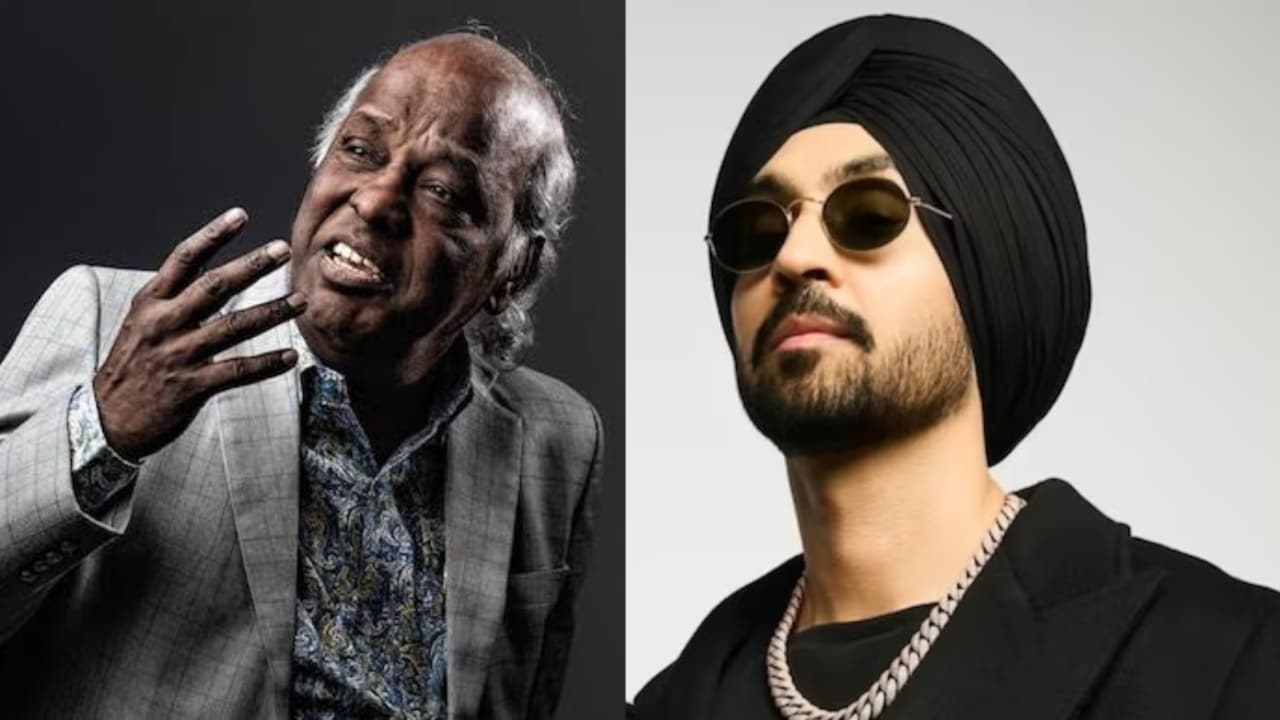
🎬 Latest Development: "Like A Crop Rises Again": Rahat Indori's Iconic Couplet and Its Resurgence During the CAA Protests
Poetry's enduring power in protest
📋 What You Need to Know
Rahat Indori, the revered Urdu poet, left an indelible mark on Indian literature and public consciousness. While his vast repertoire resonated with millions, one particular couplet from his ghazal 'Agar Khilaf Hain Hone Do' – "Sabhi Ka Khoon Shaamil Hai Yahan Ki Mitti Mein, Kisi Ke Baap Ka Hindustan Thodi Hai" – transcended artistic boundaries to become a powerful slogan. This iconic line gained unprecedented traction during the widespread protests against the Citizenship Amendment Act (CAA) in 2019, echoing the sentiments of countless citizens across the nation. Indori himself reflected on this phenomenon with a poignant observation, likening its resurgence to "a crop rising again," acknowledging the enduring relevance and potency of his words in a new era of dissent and dialogue.
🎭 Complete Story
The couplet, translating to "Everyone's blood is mixed in the soil here, Hindustan isn't anyone's father's property," was originally penned much before the 2019 CAA protests. Its timeless message of inclusive nationhood and collective ownership found a potent new context as citizens rallied against a law perceived by many as divisive and discriminatory. The simplicity and directness of Indori's words allowed them to cut through complex political discourse, becoming a rallying cry that encapsulated the core argument of shared heritage and equal rights. Videos of protesters chanting the lines, placards bearing the couplet, and its widespread sharing on social media platforms transformed it from a poetic verse into a national anthem of resistance. Rahat Indori, in interviews following its viral spread, expressed a profound sense of humility and satisfaction. He noted that while poets write for their time, some verses possess an eternal quality that allows them to resurface and resonate with future generations. His observation, "Like a crop rises again," beautifully captured this phenomenon – the words lay dormant, only to sprout anew when the fertile ground of public sentiment and political urgency called for their expression. This resurgence highlighted not only the power of his poetry but also the deep-seated yearning for an inclusive India that the couplet so eloquently articulated. The widespread adoption of his words proved how art can seamlessly integrate into movements, providing both solace and strength to those who feel marginalized.
📊 Industry Analysis
The phenomenon of Rahat Indori's couplet becoming a protest slogan offers a compelling case study in the cultural dynamics of public discourse and social movements. In an age dominated by digital communication, the viral spread of such a poignant verse underscores the enduring power of concise, emotionally charged language. This incident highlights how traditional forms of art, like Urdu poetry, can find new life and relevance through modern media, transcending linguistic and generational barriers. The "industry" of public sentiment and political expression is often shaped by these organic cultural phenomena, where a single phrase can articulate complex grievances more effectively than lengthy policy debates. Furthermore, it demonstrates the critical role of artists and poets as unwitting chroniclers and sometimes even instigators of social change. Their creations, even decades old, can be re-appropriated by new generations seeking a voice. This cultural resonance also speaks to the profound need for accessible narratives in protest movements, where a simple, memorable slogan can unify diverse groups and articulate a shared vision. It’s an affirmation that despite the proliferation of information, the human desire for authentic, powerful expression remains paramount, often found in the timeless wisdom of poetic verses.
💬 Expert Commentary
"The transformation of Rahat Indori's couplet into a national slogan during the CAA protests is a remarkable example of how linguistic artistry intersects with socio-political realities," observes Dr. Alok Kumar, a socio-linguist specializing in public discourse. "Indori's genius lay in crafting a message of fundamental equality and shared belonging in simple, yet profound, Urdu. The phrase 'Kisi ke baap ka Hindustan thodi hai' is inherently challenging to notions of exclusive ownership, appealing directly to a sense of universal justice. Its power during the protests stemmed from its ability to condense a complex constitutional argument into an easily digestible, emotionally charged statement. It provided a common vocabulary for dissent, cutting across diverse demographics. This wasn't merely a political slogan; it was a cultural artifact that had been waiting for the right moment to be activated. The 'crop rising again' analogy perfectly captures this — the seed of the idea was always there, planted by the poet, but it needed the specific conditions of public unrest and a perceived threat to secular values to truly blossom into a collective expression."
🎯 Key Takeaways
Rahat Indori's observation, "Like a crop rises again," encapsulates the enduring power of poetry to transcend its original context and become a voice for future generations. The journey of "Kisi ke baap ka Hindustan thodi hai" from a ghazal couplet to a national protest slogan during the CAA movement is a testament to the timeless relevance of his words and the profound impact of art on public discourse. It underscored the deeply held values of inclusivity and shared ownership that define the Indian ethos, giving voice to millions who felt their constitutional rights were being challenged. Indori, through his verses, provided a rallying cry that resonated across diverse communities, reminding us that true nationhood is built on collective belonging, not exclusive claims. His legacy lives on, not just in his written words, but in their ability to ignite movements and articulate the conscience of a nation when it needs it most.
📢 Stay Updated
Follow Hindi Cinema News for entertainment updates. Share your thoughts in the comments.
