
Saif Ali Khan on 'Too Much Bollywood' Criticism, Global Spotlight
🚨 Bollywood News Update — 2026-11-20
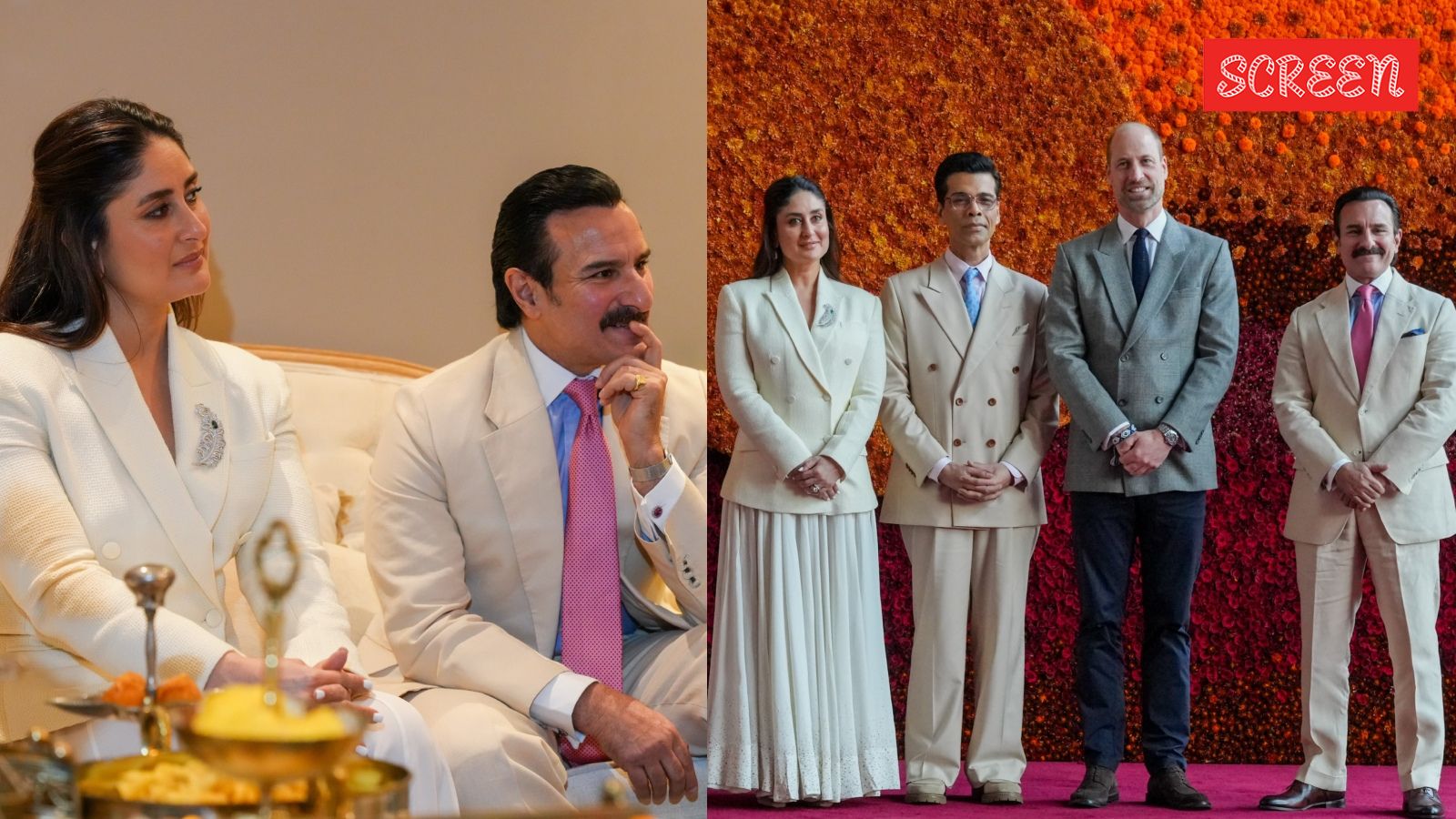
🎬 Latest Development: Saif Ali Khan Addresses 'Too Much Bollywood' Criticism at Royal Event: A Call for Global Recognition
Bollywood's Global Image Debate
📋 What You Need to Know
Saif Ali Khan, a prominent figure in Indian cinema, recently found himself at the heart of a crucial conversation during an event graced by Prince William. His candid remarks addressing the persistent "too much Bollywood" criticism resonated deeply within and outside the industry. While attending a high-profile gathering that sought to bridge cultural understanding, Khan highlighted the imperative to "shine a spotlight" on Indian narratives, suggesting a strategic shift in how Indian cinema is perceived globally. This statement isn't merely a celebrity's opinion; it encapsulates a broader industry introspection concerning its global representation, the diversity of its storytelling, and its enduring cultural impact. His comments underscore a pivotal moment for Bollywood, urging a re-evaluation of its identity on the world stage.
🎭 Complete Story
The specific event, attended by Prince William, served as an opportune moment for Saif Ali Khan to voice a sentiment many in the Indian film fraternity silently acknowledge. While the exact context of the ‘too much Bollywood’ criticism wasn't explicitly detailed, it generally refers to the perception that Indian cinema, particularly Bollywood, often relies on stereotypical tropes, extravagant song-and-dance sequences, and melodramatic narratives, thereby overshadowing the diverse and nuanced storytelling capabilities that exist within the industry. This criticism often comes from international audiences and even a segment of domestic viewers who feel that Bollywood's global image is overly simplistic and doesn't reflect the rich cultural tapestry of India.
Saif Ali Khan's response was not defensive but rather forward-looking. He emphasized the "need to shine a spotlight," which implies a conscious effort to showcase the breadth and depth of Indian cinematic talent beyond the established, often typecast, Bollywood formula. This isn't about abandoning the unique charm of commercial Indian cinema but rather about strategically highlighting its varied facets, including critically acclaimed independent films, regional cinema's burgeoning success, and narratives that delve into complex social issues. His remarks suggest a desire to elevate the global perception of Indian cinema from being merely an entertainment factory to a serious contender in world cinema, capable of producing stories that resonate universally while retaining their authentic Indian essence. The presence of a global figure like Prince William at such an event amplifies the significance of these discussions, turning a domestic critique into an international dialogue about cultural representation and soft power.
📊 Industry Analysis
The "too much Bollywood" criticism, as addressed by Saif Ali Khan, taps into a fundamental debate surrounding the evolution and global positioning of Indian cinema. For decades, Bollywood has been the dominant face of India's film industry internationally, often defined by its distinct musical format and larger-than-life storytelling. However, this very identity, while celebrated, has also led to a pigeonholing that overlooks the vast landscape of Indian filmmaking. The rise of streaming platforms (OTT) has significantly altered this dynamic, providing a global stage for diverse Indian content, including regional language films (like those from the South Indian industry) and independent productions that break away from traditional Bollywood narratives.
This shift has highlighted a crucial challenge: how does Bollywood, as a brand, evolve to embrace this diversity without losing its unique charm? The industry is currently in a transitional phase, grappling with the need for content diversification to appeal to a wider, more discerning global audience while also catering to its traditional domestic base. There's a growing movement towards more realistic storytelling, character-driven plots, and genre experimentation. However, the commercial pressures to deliver blockbuster hits often lead filmmakers back to tried-and-tested formulas. Saif Ali Khan's call to "shine a spotlight" underscores the strategic importance of curating India's cinematic output for international consumption, ensuring that the world sees not just "Bollywood" but the entire spectrum of Indian cinematic excellence. This involves a concerted effort in film festival participation, international collaborations, and promoting a narrative that transcends stereotypes.
💬 Expert Commentary
"Saif Ali Khan's comments are incredibly timely and reflect a growing sentiment within the industry," states Dr. Priya Sharma, a renowned cultural analyst specializing in South Asian media. "For too long, Indian cinema has struggled with its global identity. While the vibrancy of Bollywood is undeniable, the international perception often stops there, failing to recognize the profound artistic depth and narrative complexity present in, say, Malayalam, Bengali, or even independent Hindi cinema." Dr. Sharma emphasizes, "When Khan speaks of 'shining a spotlight,' he's advocating for a more nuanced cultural diplomacy through film. It's about showcasing the intellectual capital and diverse storytelling traditions that exist beyond the song-and-dance spectacles, which, while entertaining, don't fully represent the nation's creative output." She adds, "This isn't about rejecting Bollywood's mass appeal but rather expanding its definition and ensuring that the world understands the full spectrum of Indian cinematic achievement. It’s a call for strategic curation and promotion on the global stage, leveraging the soft power of cinema more effectively."
🎯 Key Takeaways
Saif Ali Khan's thoughtful intervention at the Prince William event has ignited a vital conversation about the future trajectory of Indian cinema. His acknowledgment of the "too much Bollywood" criticism and his subsequent call to "shine a spotlight" on diverse Indian narratives is a testament to a maturing industry willing to introspect and adapt. This moment underscores the industry's desire to transcend existing stereotypes and present a more comprehensive and sophisticated image of Indian storytelling to the world. As Indian cinema continues its evolution, balancing its unique cultural identity with global aspirations will be paramount. Khan's voice adds significant impetus to the ongoing efforts to diversify content, strategically promote artistic excellence, and firmly establish India as a formidable presence in the global cinematic arena, ensuring its stories are heard and appreciated in all their rich complexity.
📢 Stay Updated
Follow Hindi Cinema News for entertainment updates. Share your thoughts in the comments.
