
Salman Khan on 'Teri Sexy Beauty' Criticism: Soldiers Deserve Joy
🚨 Bollywood News Update — 2026-11-23
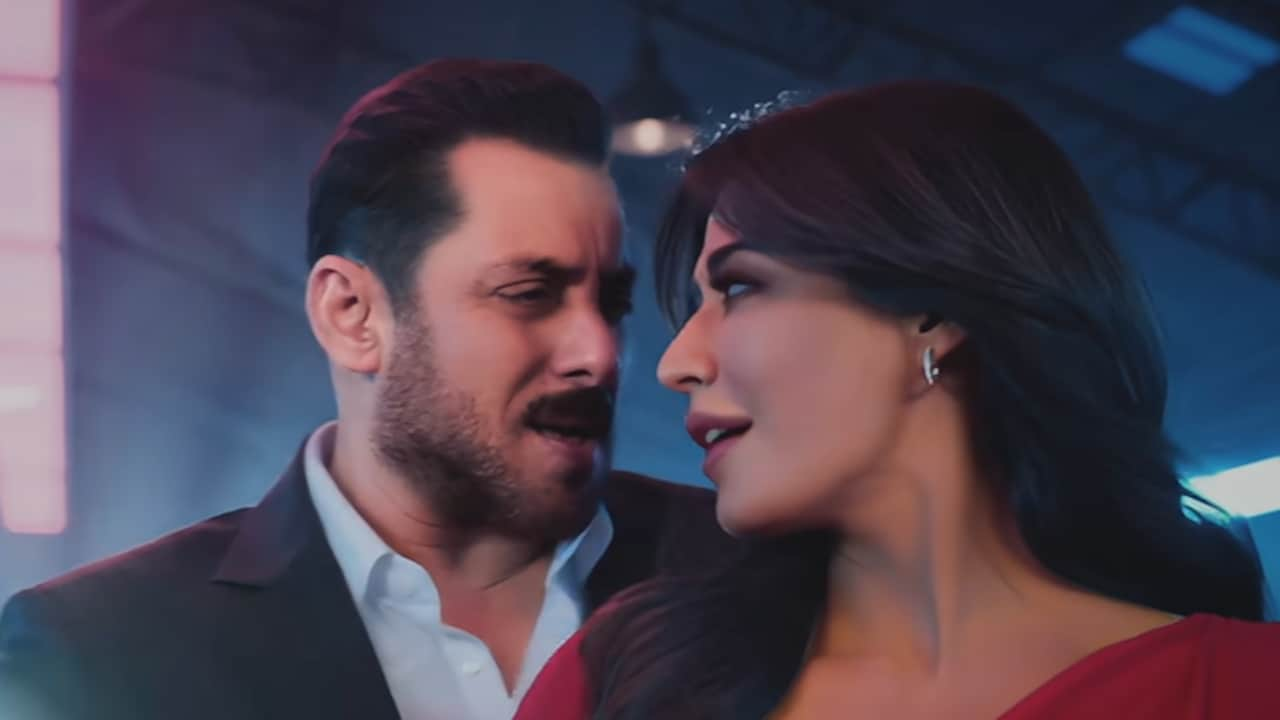
🎬 Latest Development: Salman Khan Fires Back: "Do Soldiers Not Deserve Romance?" After 'Teri Sexy Beauty' Backlash
Khan defends soldiers' entertainment.
📋 What You Need to Know
The glitz and glamour of Bollywood often find themselves intertwined with public opinion, sometimes sparking intense debates. Such was the case recently when superstar Salman Khan weighed in on the criticism leveled against the popular song 'Teri Sexy Beauty.' The Malayalam daily Maatrubhumi reportedly questioned the appropriateness of such a song, particularly in the context of societal values. However, Salman Khan, known for his candidness, didn't shy away from defending the track, posing a poignant question that resonated with many: "Is there no romance in their lives?" His reaction wasn't just about a song; it ignited a broader discussion about the role of popular entertainment, the human need for joy and escapism, and whether those who serve our nation, like soldiers, should be denied the simple pleasure of a catchy tune and a dance number. This incident delves deep into the perception of entertainment and its place in every individual's life, regardless of their demanding profession.
🎭 Complete Story
The controversy surrounding 'Teri Sexy Beauty' began when Maatrubhumi, a prominent Malayalam publication, reportedly critiqued the song, likely deeming its lyrics or visuals as superficial or perhaps even culturally incongruous. While the exact nature of their criticism wasn't widely detailed, it tapped into a common sentiment that often questions the depth and appropriateness of certain Bollywood numbers. Many critics often argue that such songs contribute little of substance and can sometimes detract from more meaningful artistic endeavors. However, Salman Khan’s response shifted the narrative dramatically. He passionately argued that popular dance numbers and celebratory songs are not just frivolous distractions but can be a vital part of anyone's life, including soldiers who face immense pressure and hardship daily.
Khan elaborated on his stance, emphasizing that soldiers, despite their disciplined and often grim reality, are human beings with emotions, desires, and a fundamental need for moments of levity and joy. He suggested that dismissing such entertainment as trivial overlooks its crucial role in boosting morale and providing a much-needed escape. For soldiers stationed far from home, often in hostile environments, a catchy song, a celebratory dance, or even a moment of lightheartedness can be a powerful antidote to stress and loneliness. His defense implicitly challenged the notion that a soldier's life should be devoid of popular culture or that their entertainment choices must always align with a somber, duty-bound image. This perspective highlights the often-underestimated psychological impact of media and entertainment, positing that popular culture can serve as a conduit for connection, celebration, and emotional release for everyone, including those in the most demanding professions. Salman Khan’s intervention transformed a critique of a song into a broader conversation about empathy, human needs, and the universal right to enjoy popular art forms.
📊 Industry Analysis
The incident involving Salman Khan and Maatrubhumi is not an isolated event but rather a recurring theme in the dynamic relationship between Bollywood, media, and society. Bollywood, as India's largest film industry, wields immense cultural influence. Its songs, often standalone hits, frequently become part of the national consciousness, shaping trends, language, and even social discourse. This power, however, comes with significant scrutiny. "Item numbers" or popular dance tracks, while commercially successful and often crowd-pullers, frequently draw criticism for their perceived objectification, simplistic lyrics, or lack of artistic merit.
Media outlets, like Maatrubhumi, play a crucial role in reflecting and shaping public opinion. Their critiques often tap into a segment of society that desires more "meaningful" content or expresses concern over the perceived dilution of cultural standards. This creates a constant tension between commercial viability and artistic responsibility. Filmmakers and actors often find themselves walking a tightrope, balancing the need to produce entertaining, profitable content with the expectation of upholding certain societal values. The commercial success of songs like 'Teri Sexy Beauty' underscores the audience's appetite for such numbers, proving their efficacy in reaching a mass audience and driving film promotion. However, the subsequent criticism points to a persistent societal debate about what constitutes appropriate popular culture. This interplay between creation, consumption, and critique forms a vital feedback loop, continuously shaping the narrative around Indian cinema and its impact on the nation's cultural fabric. Such controversies, while sometimes polarizing, ultimately contribute to a more nuanced discussion about art, entertainment, and their place in a diverse society.
💬 Expert Commentary
"Salman Khan's reaction, while perhaps instinctively defensive, taps into a profound sociological truth," observes Dr. Priya Sharma, a cultural sociologist. "Humans, irrespective of their profession, crave moments of joy, escapism, and emotional release. To suggest that soldiers, who face unimaginable stress and trauma, should be immune to or deprived of popular culture is to deny their fundamental humanity. A catchy song can be a powerful psychological tool, fostering camaraderie, providing a distraction, and reminding them of the normalcy they're fighting to protect."
Adding to this perspective, Retired Colonel Rajesh Singh shares, "During my service, we often found solace in music, movies, and even silly jokes. These weren't just trivialities; they were vital for morale. When you're away from family, facing life-threatening situations, a connection to home, even through a Bollywood song, can make a world of difference. It reminds you of the life outside the uniform, the celebrations, the simple joys. Salman Khan's point about 'romance in their lives' isn't just about romantic love, but about the romance of life itself – the celebration, the music, the laughter. It’s an essential part of maintaining mental well-being under extreme pressure." These insights underscore the significance of accessible entertainment as a psychological buffer and a crucial component of human experience, especially for those in high-stakes environments.
🎯 Key Takeaways
The spirited exchange between Salman Khan and Maatrubhumi over 'Teri Sexy Beauty' transcends a mere critique of a song; it opens up a vital dialogue about the very fabric of human experience. Khan's impassioned defense, emphasizing the right of soldiers to enjoy popular culture and find "romance in their lives," serves as a powerful reminder that entertainment is not a luxury but often a necessity for emotional well-being. It underscores the universal human need for joy, escapism, and moments of celebration, especially for those in demanding and high-stress professions. While media criticism plays a crucial role in fostering responsible content creation, it's equally important to acknowledge the diverse ways people find solace and connection through art. Ultimately, this incident highlights the complex interplay between cultural production, media scrutiny, and the fundamental human desire for a balanced, emotionally rich life, reaffirming that even in the most disciplined lives, there is always room for a catchy tune and a moment of cheer.
📢 Stay Updated
Follow Hindi Cinema News for entertainment updates. Share your thoughts in the comments.
