
Sharad Kapoor Seeks Film Industry Support After Illness
🚨 Bollywood News Update — 2026-11-15
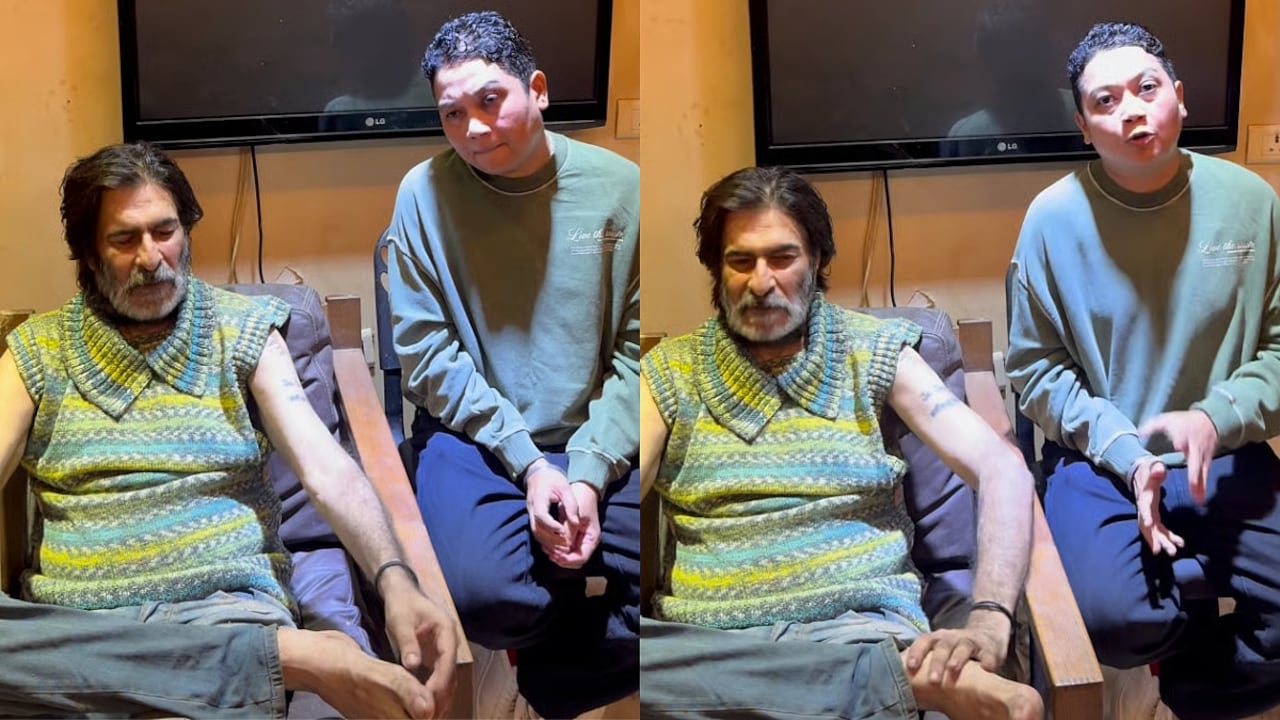
🎬 Latest Development: "I Need Your Help": Bedridden Sharad Kapoor's Emotional Plea to Bollywood
Actor's Urgent Call for Support
📋 What You Need to Know
Former actor Sharad Kapoor, once a familiar face on screens and a vibrant presence in various Bollywood productions, is now facing a deeply challenging chapter of his life, having been bedridden for an extended period. His recent heartfelt appeal to the Indian film industry for support has resonated across various circles, highlighting the often-unseen struggles of those who once graced the limelight. The plea, amplified by his compassionate friend Hema Choudhary, who heads the Mumbai-based Bezubaan Public Welfare Trust, casts a vital spotlight on the precarious nature of life beyond the spotlight, urging the industry to extend a helping hand to one of its own. This article delves into Kapoor's current predicament, the broader implications of his emotional appeal, and the collective responsibility of the industry towards its esteemed veterans.
🎭 Complete Story
The recent emotional appeal from actor Sharad Kapoor has brought to light a distressing reality: after years of being confined to his bed due to undisclosed health issues, the once-promising star is now directly appealing to the Indian film industry for assistance. Kapoor, known for his roles in films like *Dastak*, *Josh*, and *Hathyar*, where he shared screen space with industry stalwarts, has largely been out of the public eye for a considerable period. His absence is now tragically explained by his prolonged and debilitating illness, which has left him bedridden and in dire need of support. His friend, Hema Choudhary, who spearheads the Mumbai-based Bezubaan Public Welfare Trust, has been instrumental in bringing Kapoor’s plight to the forefront. Through her efforts, the severity of his condition and the urgent requirement for comprehensive medical and financial intervention have been communicated to the wider public and, crucially, to the film fraternity. Choudhary’s updates underscore that Kapoor’s long battle with illness has not only taken a severe toll on his physical health but has also left him in a vulnerable financial position, eroding resources over time. The appeal isn't just a simple request for monetary aid; it's a profound cry for recognition, for the industry to remember and support those who have contributed to its rich tapestry, even when their brightest days are behind them. This situation serves as a stark reminder that beneath the glittering facade of fame and success stories, there lies a human element susceptible to life's unpredictable and often cruel challenges. Kapoor’s public plea, articulated through a trusted confidante like Hema Choudhary, carries a profound emotional weight, compelling the industry to reflect on its collective responsibility. It highlights the profound contrast between the glitzy public image of Bollywood and the often solitary struggles faced by its members away from the cameras. The call to action is clear and resonant: the industry, renowned for its occasional camaraderie and moments of generosity, is now being asked to step up and ensure that one of its own isn't left to face his profound struggles in isolation, but rather receives the collective support he so desperately needs.
📊 Industry Analysis
The Indian film industry, while a powerhouse of entertainment and a significant economic contributor, often faces criticism for its lack of a robust, institutionalized welfare system for its artists, particularly those who fall out of the limelight. Sharad Kapoor’s appeal underscores a systemic vulnerability that many actors, especially those from an earlier era or those who didn't achieve superstardom, often confront. Unlike some Western film industries that boast well-established foundations like the Motion Picture & Television Fund (MPTF) in Hollywood, offering comprehensive healthcare and financial aid, Bollywood's support mechanisms are largely fragmented, often relying on individual charity or sporadic initiatives. The nature of employment in the film industry, often project-based and without long-term contracts, means many artists do not accrue traditional employment benefits like pensions or extensive health insurance. This leaves them exceptionally vulnerable when faced with prolonged illness or financial hardship, as their earning potential diminishes rapidly with age or health issues. The glamour of Bollywood often overshadows the precarious livelihoods of its countless contributors, from junior artists to character actors. While organizations like the Cine & TV Artistes’ Association (CINTAA) do exist to provide some support, their resources are often limited, and the scale of need can be overwhelming. Kapoor's situation brings to the fore an urgent conversation about the industry's moral imperative to establish more enduring and systematic safety nets. It highlights the stark reality that while talent is celebrated, long-term well-being is often an afterthought, leading to distressing public pleas like Kapoor’s, which should ideally be addressed through pre-existing welfare structures rather than relying on individual appeals.
💬 Expert Commentary
Dr. Anjali Sharma, a prominent social welfare advocate specializing in artist well-being, offers a critical perspective on Kapoor's situation. 'Sharad Kapoor's plea is not just about one individual; it's a mirror reflecting the broader structural inadequacies within the entertainment industry,' she asserts. 'While we celebrate the successes and the opulence associated with Bollywood, we often overlook the systemic gaps that leave many artists, particularly those who were once moderately successful but not mega-stars, in precarious positions during times of crisis. There's an urgent need for the industry to move beyond ad-hoc charity and establish sustainable, transparent welfare funds and robust health insurance schemes that cover all registered artists, irrespective of their current fame or financial standing. True compassion lies in proactive measures, not just reactive responses to public appeals.' Film historian and critic, Rajeev Mehta, adds, 'Historically, there have been instances where industry stalwarts have come forward to help, but this goodwill shouldn't be the sole pillar of support. Kapoor's case, amplified by Hema Choudhary, should serve as a wake-up call for producers' guilds, artists' associations, and even government bodies to collaborate on creating a comprehensive safety net. It's about preserving the dignity of those who have given their lives to the craft, ensuring they don't have to beg for basic medical care or sustenance in their twilight years or during debilitating illnesses.'
🎯 Key Takeaways
Sharad Kapoor's poignant appeal, supported by his friend Hema Choudhary and the Bezubaan Public Welfare Trust, serves as a powerful reminder of the human element behind the glitz and glamour of Bollywood. His years of being bedridden and his subsequent plea for industry support highlight the urgent need for a more robust and compassionate welfare system for artists. While individual acts of charity are invaluable, the recurring instances of actors facing similar struggles underscore the necessity for a collective, institutionalized approach. The industry has a moral responsibility to its veterans, ensuring that those who have contributed their talent and time are not left vulnerable in their most challenging times. It is hoped that Kapoor's call will not only elicit immediate support for him but also spark a deeper, more meaningful conversation within the film fraternity, leading to concrete actions that foster a more secure and dignified future for all its members. The time is now for Bollywood to demonstrate its collective heart and build a legacy of care.
📢 Stay Updated
Follow Hindi Cinema News for entertainment updates. Share your thoughts in the comments.
