
Sharad Kelkar: Dubbing Yash's Ravana in Ramayana 'Difficult'
🚨 Bollywood News Update — 2026-11-12
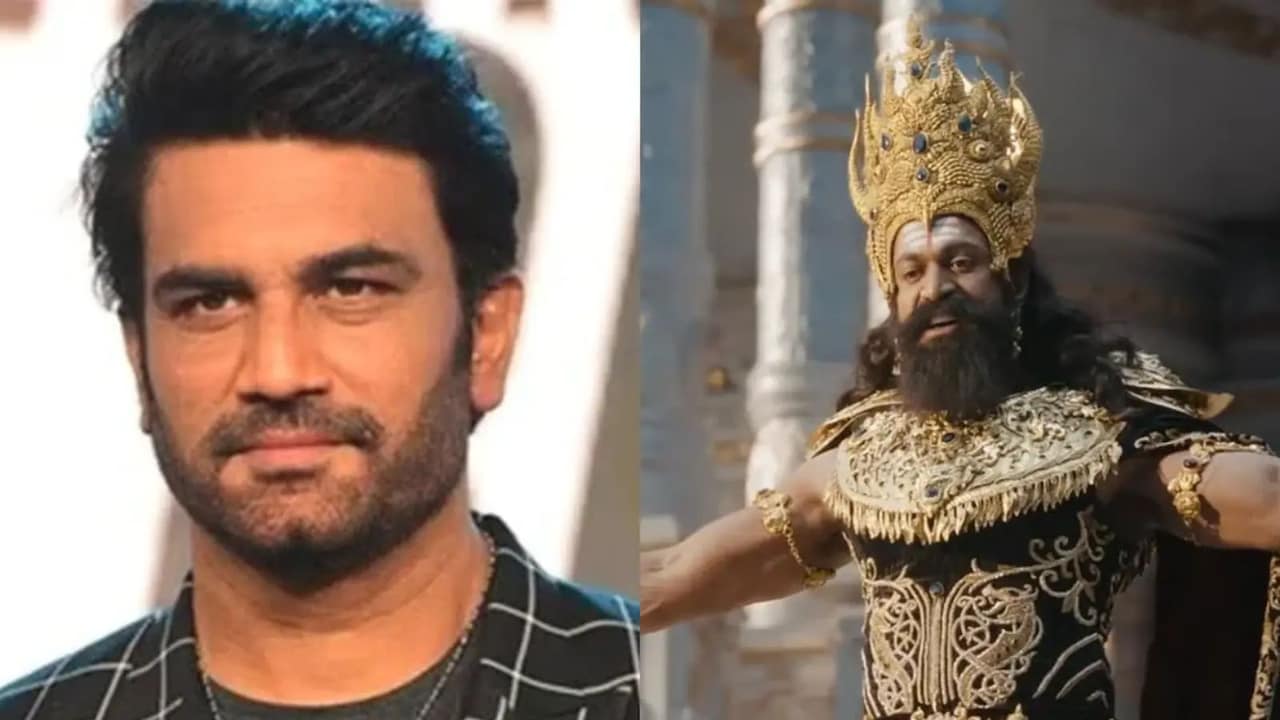
🎬 Latest Development: The Unsung Challenge: Why Sharad Kelkar Found Dubbing Yash's Ravana 'Difficult'
Kelkar struggled with Yash's Ravana.
📋 What You Need to Know
Sharad Kelkar, a name synonymous with powerful voiceovers in Indian cinema, recently shed light on one of his most demanding assignments yet: dubbing for Yash's portrayal of Ravana in Nitesh Tiwari's highly anticipated *Ramayana*. Known for lending his voice to prominent actors like Prabhas in *Baahubali* and dubbed versions of Hollywood blockbusters, Kelkar's revelation has stirred considerable interest. He openly admitted that embodying the complex antagonist, brought to life by the KGF star, presented an unparalleled challenge. "The way he (Yash) has performed in the film, I don't think anybody else could have done it," Kelkar stated, underscoring the sheer brilliance of Yash's original performance and the immense pressure to match its intensity and nuance. This confession highlights the often-underestimated artistry and difficulty involved in high-stakes dubbing.
🎭 Complete Story
Sharad Kelkar’s confession isn't merely a statement of difficulty; it's a testament to the profound impact of an actor’s original portrayal. In the context of Nitesh Tiwari’s *Ramayana*, Yash is set to embody Ravana, a character steeped in mythology, known for his immense power, intellect, devotion, and ultimate tragic flaw. This isn't a one-dimensional villain but a figure of immense complexity, demanding a performance that is both menacing and empathetic. Kelkar, with his rich baritone and extensive experience, is often the industry's go-to for characters requiring gravitas and intensity. However, his remarks suggest that Yash has elevated Ravana to an entirely new echelon, presenting a challenge that pushed even a seasoned professional to his limits.
Kelkar elaborated on the challenge, indicating that Yash’s performance transcended mere dialogue delivery or physical presence. It was about the emotional depth, the subtle expressions, and the inherent power that Yash brought to the demon king, which resonated profoundly. For a dubbing artist, the primary goal is to seamlessly merge their voice with the actor's original intent, ensuring that the dubbed version loses none of the impact or authenticity. When the original performance is exceptionally strong and deeply nuanced, it raises the bar significantly. Kelkar would have had to not just match the cadence and emotion but also internalize Yash's interpretation of Ravana, making it his own while staying true to the source material and the actor's creative choices.
This demands an intricate understanding of both the character's psychological landscape and the actor's creative choices, highlighting the collaborative yet inherently challenging nature of dubbing for such an iconic role. The pressure to live up to Yash's "too good" portrayal would have been immense, requiring meticulous attention to detail, possibly multiple takes, intense concentration, and a deep dive into the character's psyche. The aim would be to ensure that the Hindi-speaking audience experiences the same powerful, layered, and impactful Ravana that Yash has created, making Kelkar's task a true artistic tightrope walk between replication and re-creation.
📊 Industry Analysis
Sharad Kelkar's experience with Yash's Ravana is not an isolated incident but rather a microcosm of the evolving landscape within the Indian film industry. With the advent of pan-Indian cinema, where films are simultaneously released in multiple languages, the role of dubbing artists has transcended mere translation. They are now crucial conduits for conveying the original artistic vision to diverse linguistic audiences, effectively serving as the emotional bridge between the creator and the viewer across language barriers. This shift has placed unprecedented pressure on dubbing professionals to deliver performances that are not just accurate in terms of dialogue but also emotionally resonant, culturally appropriate, and perfectly synchronized with the original actor's portrayal.
The quality of regional cinema, particularly from the South, has soared in recent years, bringing with it powerhouse performances that demand equally compelling voiceovers to maintain their integrity in other languages. The challenge highlighted by Kelkar underscores a critical aspect of this evolution: when an actor delivers an exceptionally nuanced, intense, and layered performance in their original language, it sets an incredibly high benchmark for the dubbing artist. The voice actor must not only match the lip-sync precisely but also capture the original actor's facial expressions, body language, subtle emotional inflections, and even their breathing patterns, effectively re-performing the role vocally. This requires immense skill, a deep understanding of acting, and often, a direct collaboration with the original director or actor to grasp the character's full arc and intent.
The demand for authentic, high-quality dubbing is growing, as audiences are increasingly discerning and unwilling to accept shoddy voiceovers that detract from the cinematic experience. This scenario also shines a spotlight on the unsung heroes of the industry – the voice actors – who often work behind the scenes to bridge linguistic divides and ensure that cinematic brilliance reaches every corner of the nation, making their contribution indispensable to the success of pan-Indian projects.
💬 Expert Commentary
"The art of dubbing is far more than just speaking lines in another language; it's about channeling the original actor's soul and recreating their emotional landscape," explains Dr. Anjali Sharma, a renowned linguistics and film studies professor specializing in voice artistry and cross-cultural communication. "When you have a performance as powerful, intricate, and layered as Yash's portrayal of Ravana seems to be, it becomes a truly daunting task for even the most seasoned voice actor. Sharad Kelkar's admission isn't a sign of professional weakness; on the contrary, it's a profound testament to his integrity, his deep respect for the craft, and the exceptional quality of the original performance."
Dr. Sharma elaborates further, stating, "A truly great original performance creates a vivid emotional blueprint that permeates every frame. The dubbing artist must then meticulously replicate that blueprint, not just vocally but emotionally, making it entirely believable and impactful for the new audience. This involves meticulous study of the original actor's tone, rhythm, pauses, emotional dynamics, and even their subtle breathing patterns to mirror the physical and emotional exertion. It's akin to a musical cover version where the artist must capture the essence and spirit of the original while adding their own interpretation, all without losing the core melody or intent. The sheer difficulty arises from the need for perfect synchronization – not just lip-sync, but heart-sync, where the voice perfectly aligns with the character's inner world. Kelkar's challenge highlights that truly transformative acting transcends language, making the translator's job extraordinarily complex yet incredibly vital for pan-Indian cinematic success."
🎯 Key Takeaways
Sharad Kelkar's honest admission about the profound difficulty of dubbing Yash's Ravana in Nitesh Tiwari's *Ramayana* offers a rare and insightful glimpse into the intricate world of voice acting and the profound impact of a truly exceptional original performance. It underscores that dubbing is far more than a mere technical translation of words; it's an artistic reinterpretation, a demanding vocal performance that requires immense skill, deep emotional intelligence, and unwavering respect for the original actor's craft. Kelkar's candid revelation and the challenge he faced are a testament to Yash's remarkable ability to imbue Ravana with a depth, intensity, and power that evidently transcends linguistic barriers, setting an incredibly high standard for all involved in the film's multi-language releases.
This revelation not only heightens anticipation for Nitesh Tiwari’s *Ramayana*, promising a portrayal of Ravana that is truly iconic, but also significantly elevates the perception of dubbing artists within the industry. It acknowledges them as vital, integral contributors to the pan-Indian cinematic experience, showcasing their role in ensuring that creative brilliance reaches every viewer. As the Indian film industry continues its journey towards greater linguistic inclusivity and global outreach, the role of these unsung heroes, particularly in bridging the cultural and linguistic gap for legendary performances, will only grow in prominence and complexity, ensuring that cinematic masterpieces resonate powerfully with every audience, regardless of their native tongue.
📢 Stay Updated
Follow Hindi Cinema News for entertainment updates. Share your thoughts in the comments.
