
Sonakshi Sinha on Rahul Gandhi Row: 'Uncs Losing It'
🚨 Bollywood News Update — 2026-11-18
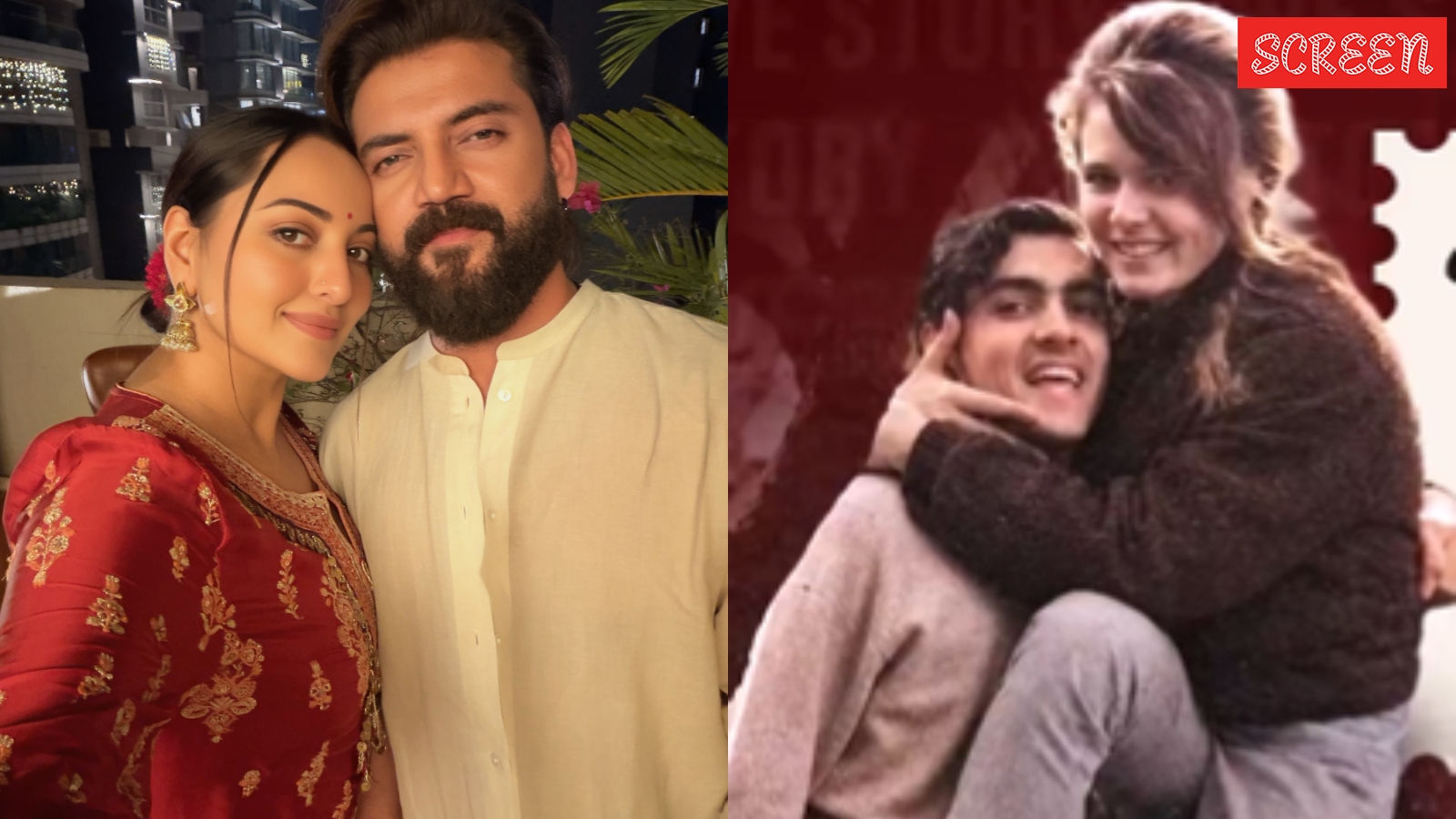

🎬 Latest Development: Sonakshi Sinha Mocks Outrage, Calls Critics 'Uncs Losing It' Over Rahul Gandhi's 'Mom on Papa's Lap' Remark
Sinha Slams 'Uncs' Over Rahul Row
📋 What You Need to Know
The often-turbulent intersection of Indian politics and celebrity commentary once again flared up recently, with actress Sonakshi Sinha wading into a political firestorm. The controversy erupted after Congress leader Rahul Gandhi recounted a personal anecdote about his parents, Rajiv and Sonia Gandhi, during the Bharat Jodo Nyay Yatra, describing his mother sitting on his father's lap. This seemingly innocuous remark ignited a furious backlash from political rivals, who slammed it as "derogatory" and "disrespectful." However, Sonakshi Sinha quickly offered a starkly different perspective, publicly mocking the outrage on social media and dismissing the critics with a blunt, generational barb: "Uncs losing it." Her intervention has not only added a new dimension to the debate but also highlighted the evolving nature of public discourse in the digital age, where celebrity opinions can swiftly amplify or deflate political narratives.
🎭 Complete Story
The genesis of the controversy lies in a candid moment during Rahul Gandhi's Bharat Jodo Nyay Yatra, where he shared a nostalgic memory of his parents, Rajiv and Sonia Gandhi. He recounted seeing his mother, Sonia Gandhi, seated on his father, Rajiv Gandhi's lap, describing it as a tender moment of affection. While many might interpret this as a simple, heartfelt recollection of parental love, the remark was quickly seized upon by political opponents, particularly from the BJP. They vehemently criticized Gandhi, accusing him of disrespecting women and Indian culture by publicly sharing such an intimate detail. BJP spokespersons and leaders condemned the comment, framing it as an insult to Indian values and an affront to the dignity of women, demanding an apology from the Congress leader. The incident quickly became fodder for prime-time news debates and a trending topic across social media platforms, with commentators on both sides fiercely defending or decrying Gandhi's words.
Amidst this political uproar, Sonakshi Sinha, known for her candid social media presence, decided to weigh in. Taking to her Instagram stories, Sinha shared a news report detailing the outrage over Gandhi's comment. Rather than engaging in a nuanced political debate, she chose a more direct and dismissive approach. She mockingly captioned the story with "Uncs losing it," clearly indicating her belief that the criticism was an overreaction, likely from an older, perhaps out-of-touch, generation. Her use of "Uncs" (uncles) carried a subtle yet potent generational jab, suggesting that the outrage stemmed from a conservative mindset unable to comprehend or accept a simple, affectionate anecdote. Sinha's stance quickly garnered attention, polarizing opinions further. While some applauded her for calling out what they perceived as manufactured outrage and hypocrisy, others criticized her for trivializing a matter that, to some, represented a breach of decorum or cultural sensitivity. Her intervention underscored how celebrities are increasingly becoming active participants in shaping political conversations, often injecting a different, sometimes irreverent, perspective.
📊 Industry Analysis
Sonakshi Sinha's dismissal of the political outrage as "Uncs losing it" offers a fascinating lens through which to analyze the evolving dynamics of public discourse in India, particularly at the intersection of celebrity culture, politics, and generational divides. Celebrities, with their massive reach on social media, wield significant influence, capable of amplifying or reframing narratives almost instantaneously. In an era dominated by digital platforms, their opinions often carry more weight than traditional political analyses for a significant segment of the population, especially younger demographics. Sinha's comment tapped into a prevalent sentiment among many younger Indians who perceive political debates as often overly dramatized or performative, especially when minor incidents are blown out of proportion for electoral gain.
This incident also highlights a clear generational gap in how public figures and their remarks are interpreted. What might be considered a grave breach of etiquette or a culturally inappropriate comment by an older generation of politicians and commentators might be seen as trivial or even endearing by younger audiences. The term "Uncs" itself encapsulates this divide, playfully yet pointedly accusing older critics of being out of touch with contemporary social norms and sensibilities. This chasm is particularly pronounced in India, where traditional values often clash with modern, globalized perspectives. Furthermore, the episode underscores the "attention economy" of social media, where outrage can be a potent currency. Both politicians and celebrities navigate this landscape, sometimes deliberately stoking or deflating controversies to align with their public image or political agenda. Sinha's comment, while seemingly off-the-cuff, effectively injected a dose of irreverence into a highly politicized debate, forcing a reconsideration of the intensity of the initial backlash.
💬 Expert Commentary
"Sonakshi Sinha's 'Uncs losing it' comment is far more significant than a mere celebrity reaction," says Dr. Rhea Kapoor, a prominent socio-political analyst specializing in media studies. "It perfectly encapsulates the growing frustration among younger generations with what they perceive as manufactured outrage in Indian politics. For many young Indians, the public sphere is increasingly dominated by hyper-partisan rhetoric where every statement, no matter how minor, is scrutinized through a political lens and weaponized. Sinha's remark cuts through that noise, using humor and a generational trope to question the sincerity and proportionality of the political backlash. It's a classic example of how celebrity culture can challenge established political narratives by offering an alternative, often more relatable, interpretation for a significant portion of the electorate."
Dr. Kapoor further elaborates, "This incident also highlights the power of social media to democratize political commentary. While traditional media might focus on formal political responses, platforms like Instagram allow celebrities to directly engage with their audience, bypassing intermediaries. This direct communication fosters a different kind of public discourse, one that is often more informal, immediate, and reflective of diverse viewpoints. However, it also carries the risk of oversimplifying complex issues or inadvertently trivializing genuine concerns. Sinha's comment, while effective in its aim, could be seen by some as downplaying the valid cultural sensitivities that might have prompted the initial criticism from other quarters. It's a tightrope walk for public figures in this new media landscape."
🎯 Key Takeaways
Sonakshi Sinha's provocative 'Uncs losing it' remark, aimed at the outrage surrounding Rahul Gandhi's 'mom on papa's lap' comment, served as a potent commentary on the current state of Indian public discourse. Her intervention not only injected a fresh, generational perspective into a politically charged debate but also underscored the significant role celebrities play in shaping modern narratives. The incident highlighted the stark contrast between traditional political reactions and a more contemporary, often irreverent, approach to public statements, particularly among younger audiences.
As the lines between entertainment, politics, and social commentary continue to blur, such instances are likely to become more frequent. They compel us to reflect on the nature of outrage, the sincerity of political reactions, and the profound influence of social media in amplifying voices and perspectives. Ultimately, this episode is a microcosm of a larger societal shift, where different generations grapple with evolving social norms, freedom of expression, and the constant negotiation of what constitutes acceptable public discourse in a rapidly changing India.
📢 Stay Updated
Follow Hindi Cinema News for entertainment updates. Share your thoughts in the comments.
