
Trump, Bond, and Pattinson: Unpacking Pop Culture Politics
🚨 Bollywood News Update — 2026-11-27
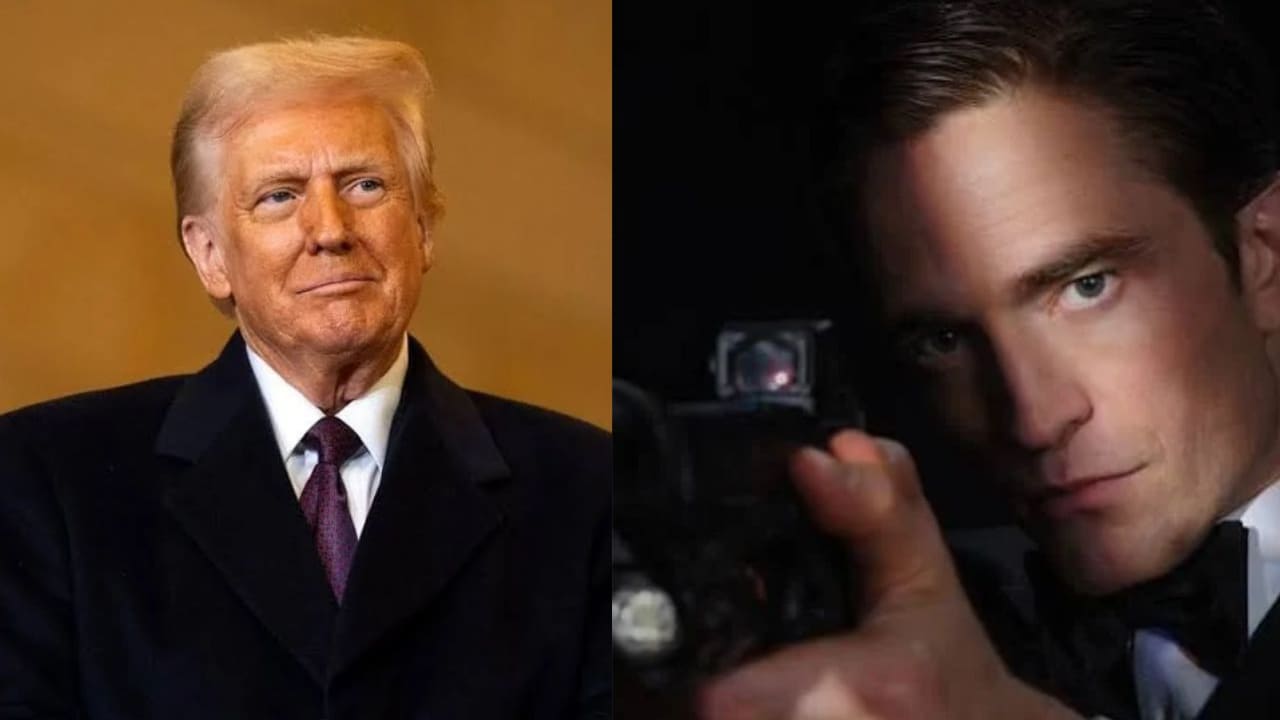
🎬 Latest Development: From 007's Allegiance to Pattinson's Charm: Decoding Trump's Pop Culture Comments
Politics, Pop Culture, and Presidents
📋 What You Need to Know
The intersection of high-stakes politics and global pop culture often throws up unexpected moments, and few embody this better than Donald Trump's musings on James Bond's political leanings and his cordial remarks about actor Robert Pattinson. This seemingly disparate commentary offers a fascinating glimpse into how political figures engage with, and often co-opt, the world of entertainment. Trump's casual query, "Is James Bond conservative?", alongside his affirmation, "I always like people that like me," regarding Pattinson, highlights a unique approach to public discourse where fictional characters and Hollywood stars become subjects of presidential interest. This article delves into the implications of such statements, exploring the politicization of pop culture and the enduring fascination with celebrity endorsements—or perceived affiliations—in the political arena.
🎭 Complete Story
Donald Trump's inquiry about James Bond's conservatism isn't just a throwaway line; it's a window into a consistent pattern of viewing cultural phenomena through a political lens. For Trump, and indeed for many political figures, the question of whether a popular icon aligns with a particular ideology is significant. James Bond, a character synonymous with British establishment, suave espionage, and defending Western values, often embodies a certain traditionalism that could be interpreted as conservative. However, Bond's character has also evolved, displaying rebellious streaks and often operating outside strict governmental oversight. Each actor, from Sean Connery to Daniel Craig, has brought different facets to the role, making a definitive political label challenging, if not impossible. Trump's question, therefore, isn't about Bond's actual party affiliation, but rather about whether the character embodies values he perceives as "conservative" and thus favorable. This move effectively politicizes a global entertainment franchise, inviting audiences to consider the ideological undercurrents of their favorite films.
Simultaneously, Trump's comment about Robert Pattinson—"I always like people that like me"—is characteristic of his transactional approach to relationships, whether political or personal. This statement, made as he wished Pattinson "best of luck," follows a public history where Trump had previously criticized Pattinson's relationship with Kristen Stewart. The shift from criticism to well-wishing, framed by the condition of mutual admiration, underscores how celebrity endorsements or perceived positive regard can be leveraged or acknowledged by political figures. For a celebrity like Pattinson, known for his work in franchises like *Twilight* and *The Batman*, a presidential nod, however conditional, can amplify their public profile, even if it’s unrelated to their craft. These instances reveal how political leaders often seek to associate themselves with popular figures, whether real or fictional, to resonate with broader audiences and implicitly draw connections between their own brand and widely beloved cultural touchstones. This dynamic blurs the lines between entertainment and governance, making headlines that capture public imagination.
📊 Industry Analysis
The politicization of pop culture is not a new phenomenon, but it has certainly intensified in the modern media landscape, particularly with the rise of social media and figures like Donald Trump who master its dynamics. Political leaders often utilize popular culture to connect with voters, convey messages, and even subtly endorse or critique societal values. When a President questions the political leanings of a character like James Bond, it elevates that fictional persona into a real-world political discourse. This can inadvertently spark debates among fans and pundits alike, forcing a re-evaluation of how entertainment reflects or shapes societal ideologies. This strategy transforms passive consumption into active engagement, albeit often on terms set by the political commentator.
Furthermore, the industry of celebrity itself is deeply intertwined with political narratives. Celebrities, due to their vast reach and influence, are often sought after for endorsements, appearances, and even legislative advocacy. Trump's acknowledgment of Robert Pattinson, even with the caveat "I always like people that like me," taps into this power dynamic. It signals an implicit expectation of reciprocity, where positive public sentiment from a celebrity is met with a positive public response from a political leader. This dynamic is a powerful tool for shaping public perception, allowing politicians to align themselves with popular figures and their fanbases. Conversely, it puts celebrities in a unique position, where their perceived political alignments or public statements can have real-world consequences, influencing everything from brand deals to public opinion. The entertainment industry, therefore, is not merely a source of escapism but a significant arena where political battles for hearts and minds are often waged, subtly or overtly.
💬 Expert Commentary
"Trump's comments on James Bond and Robert Pattinson are classic examples of his populist communication style," explains Dr. Evelyn Reed, a professor of media and politics. "He understands that by bringing pop culture icons into his discourse, he makes political commentary accessible and relatable to a wider audience, often bypassing traditional news filters. Asking if Bond is conservative isn't about definitive political analysis; it's about signaling to his base what values he aligns with and inviting them to see those values in their favorite characters."
Film critic and cultural historian Mark Harrison adds, "James Bond has always been a complex figure. While he upholds the establishment, he also frequently disobeys orders and operates with a moral ambiguity that defies easy categorization. To label him simply 'conservative' overlooks the nuances of his character's evolution across decades and actors. Trump's question is less about Bond's true politics and more about using a globally recognized brand to project a certain image of strength and traditionalism, which resonates with his own political brand."
"The 'I always like people that like me' remark about Pattinson perfectly encapsulates the transactional nature of celebrity in the political sphere," comments political strategist Laura Chen. "For a politician, especially one who thrives on public perception, having a popular celebrity express admiration is invaluable. It’s a reciprocal relationship: the politician gains a veneer of cool or popularity by association, and the celebrity, whether intentionally or not, receives a spotlight that can be both beneficial and, at times, controversial."
🎯 Key Takeaways
Donald Trump's casual yet impactful comments on James Bond's political leanings and his conditional well-wishes to Robert Pattinson serve as a potent reminder of the intricate relationship between politics, celebrity, and pop culture. These instances illustrate how political figures leverage widely recognized cultural icons to convey messages, connect with audiences, and even subtly shape public discourse. Whether it's questioning the conservative credentials of a fictional spy or acknowledging a celebrity based on perceived mutual admiration, such remarks transform entertainment into a battleground for ideas and influence. This trend highlights a broader societal shift where the lines between political commentary and cultural critique are increasingly blurred, making every celebrity endorsement, every fictional character's perceived ideology, a potential talking point in the ongoing public conversation. Ultimately, these moments reveal how deeply intertwined our political and cultural lives have become, leaving us to constantly decode the underlying meanings in seemingly innocuous statements.
📢 Stay Updated
Follow Hindi Cinema News for entertainment updates. Share your thoughts in the comments.
