
2007: SRK Dominated, Small Films Made Big Impact
🚨 Breaking Bollywood News Alert! Get the complete inside story. Updated November 12, 2025.
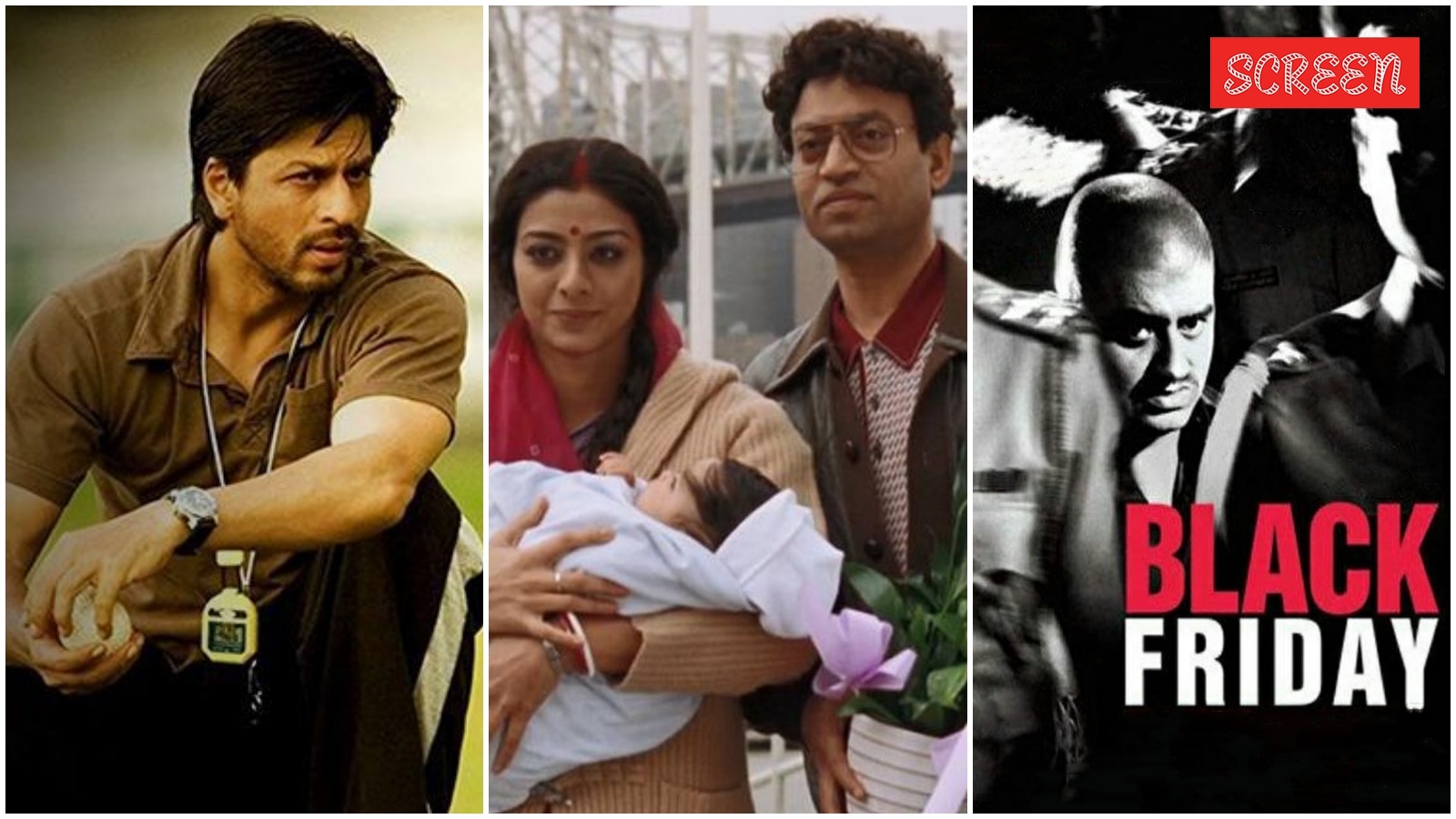
2007: The year of Shah Rukh Khan, and small big films Bheja Fry and Black Friday
📰 RSS Feed Image

2007: The year of Shah Rukh Khan, and small big films Bheja Fry and Black Friday
📰 RSS Feed Image (Image 2)

2007: The year of Shah Rukh Khan, and small big films Bheja Fry and Black Friday
📰 RSS Feed Image (Image 3)

2007: The year of Shah Rukh Khan, and small big films Bheja Fry and Black Friday
📰 RSS Feed Image (Image 4)
📖 Table of Contents
🎬 Latest Development: A Tale of Two Triumphs: How 2007 Defined Bollywood with Shah Rukh Khan and Indie Gems
SRK, Bheja Fry, Black Friday.
📋 What You Need to Know
The year 2007 stands as a fascinating chapter in the annals of Bollywood history, a period marked by both the undisputed reign of its biggest superstar, Shah Rukh Khan, and the unexpected emergence of critically acclaimed, smaller budget films that challenged conventional narratives. While SRK cemented his status with blockbuster hits that broke box office records, films like "Bheja Fry" and "Black Friday" carved their own niche, proving that compelling storytelling and strong performances could resonate deeply with audiences, regardless of star power or extravagant budgets. This dichotomy highlighted a maturing Indian film industry, one capable of celebrating both grand commercial spectacles and gritty, realistic cinema, setting the stage for future trends in filmmaking and audience reception.
🎭 Complete Story
2007 was undeniably Shah Rukh Khan's year. With blockbusters like "Chak De! India" and "Om Shanti Om," he showcased his versatility and immense star power. "Chak De! India" saw him shed his romantic hero image to portray a disgraced hockey coach, earning critical acclaim and commercial success, while "Om Shanti Om" was a quintessential Bollywood masala entertainer, an ode to the industry itself, which broke box office records. These films reinforced SRK's position as the King Khan, a global icon whose films generated immense excitement and revenue. Yet, amidst these glittering spectacles, a different kind of cinema was making waves. "Bheja Fry," a low-budget comedy, became a sleeper hit, charming audiences with its simple premise and hilarious performances. It proved that content was king, and a well-executed story could find its audience without a massive marketing push. Simultaneously, Anurag Kashyap's "Black Friday," a docudrama based on the 1993 Bombay bombings, finally saw a theatrical release after years of battling censorship. Its raw, unflinching portrayal of a dark chapter in Indian history was lauded by critics and marked a significant moment for parallel cinema, pushing boundaries in storytelling and filmmaking.
📊 Industry Analysis
The contrasting successes of 2007's major blockbusters and its "small big films" provided crucial insights into the evolving landscape of Indian cinema. Shah Rukh Khan's dominance showcased the enduring power of star vehicles and commercial formulas, where entertainment value often trumped narrative depth for mass appeal. However, the unexpected triumphs of "Bheja Fry" and "Black Friday" signaled a growing appetite among urban audiences for diverse content. These films demonstrated that a parallel industry, focused on realistic, character-driven stories, could thrive alongside the mainstream. This period marked a crucial shift where filmmakers began to experiment more, knowing there was a segment of the audience ready to embrace unconventional narratives. It also highlighted the potential of independent cinema to generate significant returns, encouraging more producers to invest in content-rich projects, ultimately diversifying the cinematic palette available to viewers and fostering a more dynamic industry.
💬 Expert Commentary
"2007 was a watershed year for Bollywood, perfectly illustrating the industry's duality," states film historian and critic, Dr. Rohan Mehra. "On one hand, you had Shah Rukh Khan at the peak of his powers, delivering mega-hits that reaffirmed the commercial viability of star-driven cinema. On the other, the critical and commercial success of films like 'Bheja Fry' and 'Black Friday' proved that audiences were hungry for different stories. These smaller films, despite their limited budgets and unconventional themes, managed to create significant cultural impact. 'Black Friday,' in particular, pushed the envelope for realistic, hard-hitting cinema. This year truly laid the groundwork for the content-driven revolution we see today, showing that both mainstream and niche cinema could coexist and thrive, catering to a wider spectrum of tastes."
🔗 Related Context
The success of "Bheja Fry" paved the way for a series of independent, high-concept comedies and dramas that relied on strong scripts rather than star power in the years that followed. Similarly, "Black Friday's" critical acclaim bolstered the careers of filmmakers like Anurag Kashyap, who went on to define a new wave of gritty, realistic Indian cinema. This year can also be seen as a precursor to the rise of multiplex culture, where diverse films could find dedicated audiences, unlike the single-screen era dominated by blockbusters. The blend of commercial giants and artistic triumphs in 2007 reflected a broader societal shift, where audiences were becoming more discerning and open to varied cinematic experiences, moving beyond traditional Bollywood tropes.
🔍 Explore More Bollywood Content
Stay connected with the latest happenings in Hindi cinema:
Breaking news from the world of Hindi cinema
Inside stories and exclusive Bollywood entertainment news
Comprehensive coverage of the Indian film industry
💡 Visit Hindi Cinema News for more.
🎯 Key Takeaways
In retrospect, 2007 stands out as a pivotal year that encapsulated the dynamic nature of Indian cinema. It was a year where Shah Rukh Khan reinforced his unparalleled superstardom with compelling performances and box office records, simultaneously entertaining millions. Yet, it was also the year where films like "Bheja Fry" and "Black Friday" emerged from the shadows, proving that compelling narratives, even without mega-stars or exorbitant budgets, could capture the imagination and critical acclaim they deserved. This duality not only enriched the cinematic offerings but also broadened the horizons for filmmakers and audiences alike, signaling a healthy and evolving industry ready to embrace both grand spectacle and intimate storytelling. The legacy of 2007 continues to influence Bollywood's diverse landscape today.
❓ Frequently Asked Questions
Q: When did this news break?
A: This story was reported today with comprehensive coverage as details emerge.
Q: What makes this significant?
A: This development represents an important moment in the Hindi film industry.
📢 Stay Updated
Don't miss breaking entertainment news! Follow us for real-time updates.
What's your take? Share your thoughts in the comments!
