
Shefali Shah's Embarrassment Playing Akshay's Mother in Waqt
🚨 Breaking Bollywood News Alert! Get the complete inside story. Updated November 21, 2025.
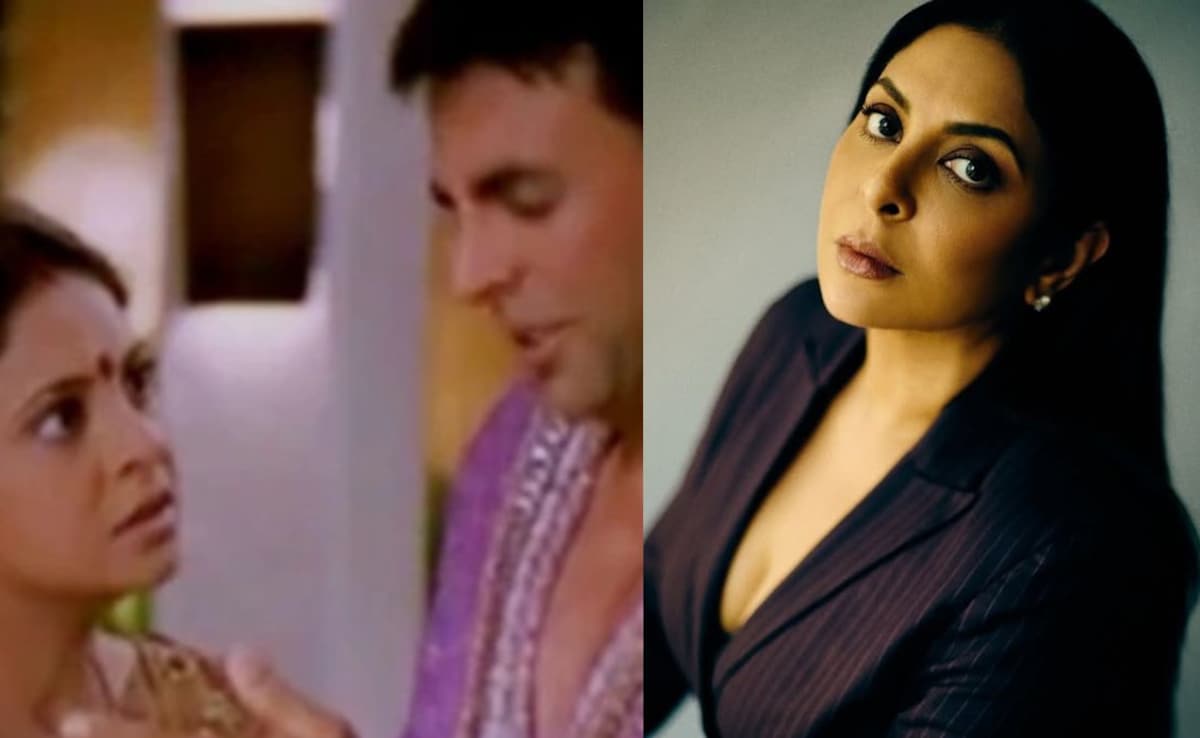
Shefali Shah Recalls Playing Mother To 5-Year-Older Akshay Kumar In Waqt: "Would Die Of Embarrassment If I Had To Watch The Film Again"
📰 RSS Feed Image
📖 Table of Contents
🎬 Latest Development: "Would Die Of Embarrassment": Shefali Shah on Playing Mother to Older Akshay Kumar in Waqt and Bollywood's Ageism
Shefali's role regret, age disparity.
📋 What You Need to Know
Shefali Shah, a powerhouse performer celebrated for her nuanced roles and undeniable screen presence, recently offered a candid and somewhat cringeworthy reflection on an early career decision. She recalled playing the mother to Akshay Kumar in the 2005 film *Waqt: The Race Against Time*, a casting choice that now makes her "die of embarrassment" – especially given that Akshay Kumar is five years her senior. This revelation is not merely a humorous anecdote from an actress looking back; it's a potent commentary on the pervasive ageism and gender disparity that has long plagued Bollywood, particularly concerning the roles available to women as they age, starkly contrasting with the longevity afforded to their male counterparts.
🎭 Complete Story
Shefali Shah's discomfort stems from a stark reality of Bollywood casting: the tendency to pigeonhole talented actresses into "mother" roles prematurely, often to actors who are, ironically, older than them. In *Waqt*, Shefali, who was around 33 at the time, portrayed the mother of Akshay Kumar, then 38. This age difference, while seemingly minor, highlights a significant industry norm where male stars continue to play romantic leads well into their 40s and 50s, often romancing much younger actresses, while female actors of similar age are relegated to character roles, typically as mothers or grandmothers. Shefali, a highly versatile actress who has since garnered immense critical acclaim for her powerful performances in projects like *Delhi Crime* and *Jalsa*, now looks back at *Waqt* with a mixture of amusement and genuine mortification. Her "cringe" is a relatable emotion for many women in the industry who have faced similar casting dilemmas, forced to accept roles that don't align with their actual age or professional aspirations due to limited opportunities.
📊 Industry Analysis
The issue of ageism and gender disparity in Bollywood casting is deeply ingrained and multifaceted. For decades, the industry has perpetuated a "shelf life" for female actors, often dictating that their prime for romantic leads ends swiftly after marriage or in their early 30s. Conversely, male superstars enjoy extended careers as leading men, often defying age onscreen. This disparity creates a bottleneck for actresses, pushing them into character roles prematurely, which limits their creative scope and financial potential. The portrayal of women in Indian cinema often reflects societal biases, where a woman's value is sometimes tied to her youth and ability to play a romantic interest. While recent years have seen a gradual shift, particularly with the advent of streaming platforms offering more diverse and age-appropriate roles for women, the legacy of films like *Waqt* serves as a stark reminder of the systemic challenges that still need to be addressed to achieve true gender equality in casting.
💬 Expert Commentary
Film historian and critic, Dr. Meena Singh, states, "Shefali Shah's experience in *Waqt* is a classic example of Bollywood's deeply entrenched ageism against women. Male actors continue to play romantic leads for decades, while equally talented actresses are pushed into maternal roles, often to actors older than them. This isn't just about casting; it reflects a patriarchal mindset within the industry." Casting director, Mukesh Chhabra, might offer a nuanced view: "While there's undeniable pressure to cast 'marketable' pairs, the industry is slowly evolving. OTT platforms have been a game-changer, allowing writers and directors to cast based on talent and character fit, rather than just conventional age-based pairings. Actresses like Shefali are now getting the roles they deserve." Veteran actress Shabana Azmi has long been a vocal critic of this disparity, advocating for more realistic and powerful roles for women of all ages.
🔗 Related Context
Shefali Shah is not the only actress to speak out about age-inappropriate casting. Actresses like Neena Gupta have famously expressed their desire for meaningful roles beyond grandmotherly figures, leading to a resurgence in her career with projects like *Badhaai Ho*. Similarly, Priyanka Chopra once mentioned the absurd scenarios where male actors her father's age were cast as her romantic interests. The emergence of strong female-centric narratives and age-appropriate roles for actresses on streaming platforms like Netflix and Amazon Prime Video has been a significant turning point, providing avenues for actresses like Shefali Shah to truly shine without being limited by traditional theatrical casting norms. This shift signals a promising future, where talent and character suitability might finally take precedence over archaic ageist biases.
🔍 Explore More Bollywood Content
Stay connected with the latest happenings in Hindi cinema:
Get the latest breaking news and updates from Hindi cinema
Exclusive stories about your favorite Bollywood stars
Inside stories and exclusive Bollywood entertainment news
💡 Visit Hindi Cinema News for more.
🎯 Key Takeaways
Shefali Shah's candid reflection on her role in *Waqt*, playing a mother to an older Akshay Kumar, serves as a powerful and relatable symbol of the ageism and gender disparity that has historically characterized Bollywood casting. Her "embarrassment" is not just personal; it echoes the sentiments of countless talented female actors who have been prematurely relegated to character roles while their male counterparts enjoy extended careers as leading men. While the industry is witnessing a slow but positive evolution, driven largely by the advent of digital platforms and a growing demand for diverse, realistic narratives, Shefali's experience underscores the persistent need for continued dialogue and systemic change. Her journey, from early career compromises to becoming an acclaimed artist, is a testament to resilience and a hope that future generations of actresses will face a more equitable and age-sensitive casting landscape.
❓ Frequently Asked Questions
Q: When did this news break?
A: This story was reported today with comprehensive coverage as details emerge.
Q: What makes this significant?
A: This development represents an important moment in the Hindi film industry.
📢 Stay Updated
Don't miss breaking entertainment news! Follow us for real-time updates.
What's your take? Share your thoughts in the comments!
