
Vivek Oberoi on Stardom's Shelf Life: Will SRK Be Forgotten?
🚨 Breaking Bollywood News Alert! Get the complete inside story. Updated November 20, 2025.
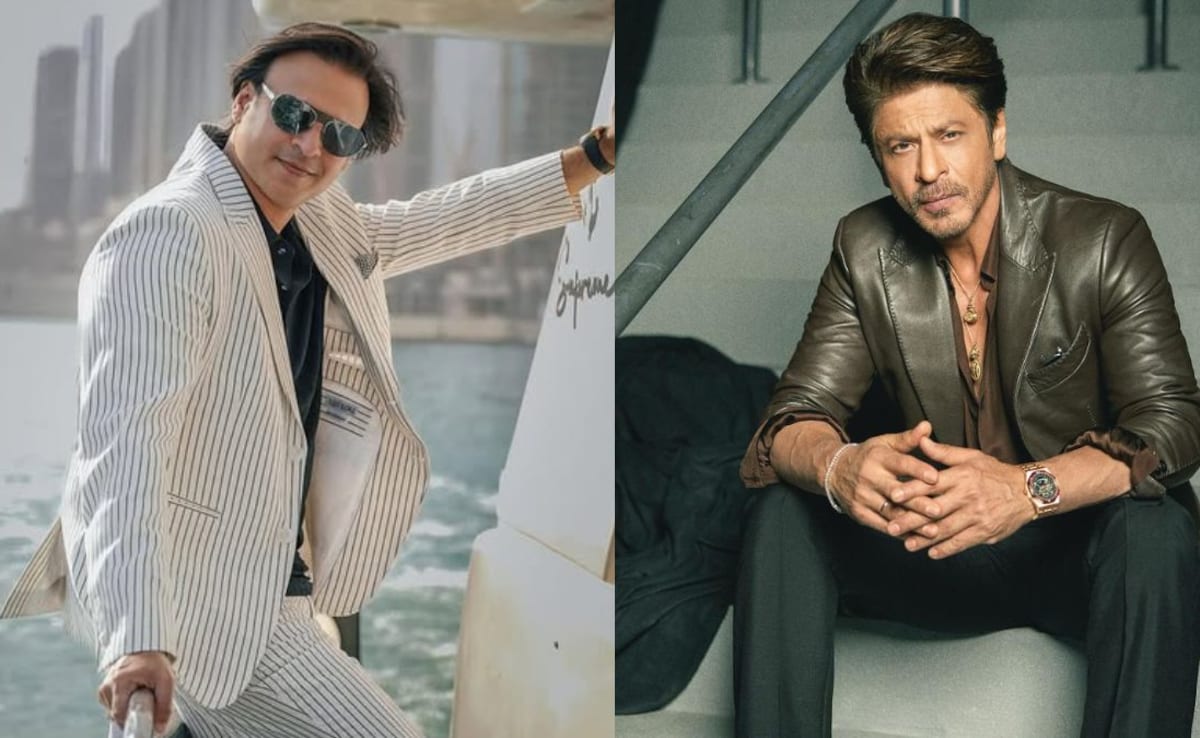
Vivek Oberoi On The Possibility Of Superstars Being Forgotten By 2050: "Kaun Shah Rukh Khan?"
📰 RSS Feed Image
📖 Table of Contents
🎬 Latest Development: Vivek Oberoi Sparks Debate: "Kaun Shah Rukh Khan?" – Will Superstars Be Forgotten by 2050?
Stardom's fleeting nature discussed.
📋 What You Need to Know
Actor Vivek Oberoi recently ignited a significant conversation within the entertainment industry, questioning the longevity of superstardom in an ever-evolving digital age. His provocative statement, "Kaun Shah Rukh Khan?" (Who is Shah Rukh Khan?), regarding the iconic King Khan, suggests a future where even the biggest names might fade from collective memory within a few decades. Oberoi's commentary isn't just about a single actor; it's a profound reflection on the generational gap in celebrity recognition and the rapid shifts in audience engagement. He drew a parallel with legendary actor Raj Kapoor, noting that while his generation reveres Kapoor, today's youth are more familiar with Ranbir Kapoor, highlighting a concerning trend for long-term legacy.
🎭 Complete Story
Vivek Oberoi's candid remarks stem from a broader observation about the ephemeral nature of fame in contemporary times. He elaborated on his perspective, suggesting that the pace of content consumption and the proliferation of new talent mean that the cultural touchstones of one generation may not resonate with the next. His "Kaun Shah Rukh Khan?" query was not meant as a derogatory slight against the superstar, but rather a rhetorical device to emphasize the potential for even the most colossal figures to recede into history as new idols emerge. Oberoi highlighted that his own generation grew up idolizing stars like Amitabh Bachchan and Shah Rukh Khan, whose influence felt immutable. However, he posited that the current Gen Z and Alpha generations, saturated with diverse global content and short-form media, might not carry the same reverence for these stalwarts into the future. He pointed to the example of Raj Kapoor, a titan of Indian cinema from a bygone era, whose legacy is primarily preserved and recognized by older generations, while younger audiences more readily identify with his grandson, Ranbir Kapoor. This generational shift, according to Oberoi, underscores a critical challenge for artists today: how to build a legacy that transcends decades in an age of instant gratification and rapid cultural turnover. The traditional mechanisms of stardom – silver screen presence, mass appeal, and consistent box office success – are now complemented, and sometimes overshadowed, by digital presence, social media engagement, and global streaming platforms, all contributing to a more fragmented and transient celebrity landscape.
📊 Industry Analysis
The entertainment industry is grappling with unprecedented changes, driven primarily by technological advancements and shifting audience demographics. The rise of OTT platforms, social media, and influencer culture has democratized fame, creating a continuous stream of new faces and narratives. This constant influx challenges the traditional notion of a singular, enduring superstar. While figures like Shah Rukh Khan built their empires over decades through a relatively stable media landscape, today's stars often rise and fall with astonishing speed. The industry must now contend with shorter attention spans, globalized content consumption, and a diverse range of entertainment options that dilute the focus on any single personality. Marketing strategies are evolving to target niche audiences, and the concept of 'pan-India' or 'global' appeal is no longer solely dependent on theatrical releases. The challenge for established stars is to adapt their brand and content to these new paradigms, while emerging talents must navigate a highly competitive, often fickle, environment. The industry's reliance on 'star power' for box office success is also being re-evaluated, with content-driven narratives and ensemble casts gaining prominence. This fundamental shift makes Oberoi's concern about the longevity of superstardom particularly pertinent, forcing a re-evaluation of what constitutes lasting legacy in the digital age.
💬 Expert Commentary
"Vivek Oberoi's comments, while provocative, highlight a crucial point about the evolution of fame," says Dr. Anjali Sharma, a cultural sociologist specializing in media studies. "The 'superstar' phenomenon, as we understand it from the 20th century, was a product of limited media channels and a more homogenous audience. Today, the media landscape is fragmented. Audiences curate their own content consumption, leading to a 'niche-ification' of celebrity. A younger generation, for instance, might be more familiar with a global K-Pop idol or a YouTube personality than a Bollywood legend, simply because their media diet is different. It's not about disrespect; it's about relevance in their specific cultural context. For stars to achieve enduring legacy, they need to transcend mere performance and become cultural icons through consistent reinvention, social impact, and perhaps, a strong digital footprint that speaks to diverse demographics. The challenge is immense, as the benchmarks for enduring fame are constantly shifting."
🔗 Related Context
This debate is not unique to India. Hollywood, for instance, has seen a similar discourse around the 'movie star' versus the 'franchise star.' While actors like Tom Cruise and Leonardo DiCaprio maintain significant drawing power, many contemporary blockbusters rely more on established intellectual property (like Marvel or Star Wars) than on the individual star's name. The shift is global, impacting how talent is scouted, developed, and marketed. The rise of social media stars and influencers, who cultivate direct relationships with their audience, further complicates the traditional celebrity model. These digital natives often bypass conventional media gatekeepers, creating their own platforms and fan bases, sometimes achieving reach and influence comparable to, or even surpassing, traditional movie stars, especially among younger demographics. This broader context underscores Oberoi's point about the changing dynamics of fame and recognition.
🔍 Explore More Bollywood Content
Stay connected with the latest happenings in Hindi cinema:
Get the latest breaking news and updates from Hindi cinema
Latest box office numbers and film business analysis
Inside stories and exclusive Bollywood entertainment news
💡 Visit Hindi Cinema News for more.
🎯 Key Takeaways
Vivek Oberoi's "Kaun Shah Rukh Khan?" statement serves as a potent wake-up call, urging the industry and audiences alike to consider the transient nature of fame in the 21st century. While it's unlikely that iconic figures like Shah Rukh Khan will be entirely "forgotten," their cultural resonance and universal recognition might evolve or diminish with succeeding generations. The dialogue he initiated is crucial for understanding how legacies are built and sustained in an era of unprecedented media saturation and generational divides. It prompts a deeper reflection on what defines a superstar in an age where fame is democratized, fleeting, and constantly redefined. Ultimately, the question isn't just about Shah Rukh Khan, but about the future of stardom itself, and how artists can adapt to leave an indelible mark beyond their immediate era.
❓ Frequently Asked Questions
Q: When did this news break?
A: This story was reported today with comprehensive coverage as details emerge.
Q: What makes this significant?
A: This development represents an important moment in the Hindi film industry.
📢 Stay Updated
Don't miss breaking entertainment news! Follow us for real-time updates.
What's your take? Share your thoughts in the comments!
