
Anubhav Sinha Reflects on Ra.One Backlash, SRK Fans
🚨 Breaking Bollywood News Alert! Get the complete inside story. Updated December 9, 2025.
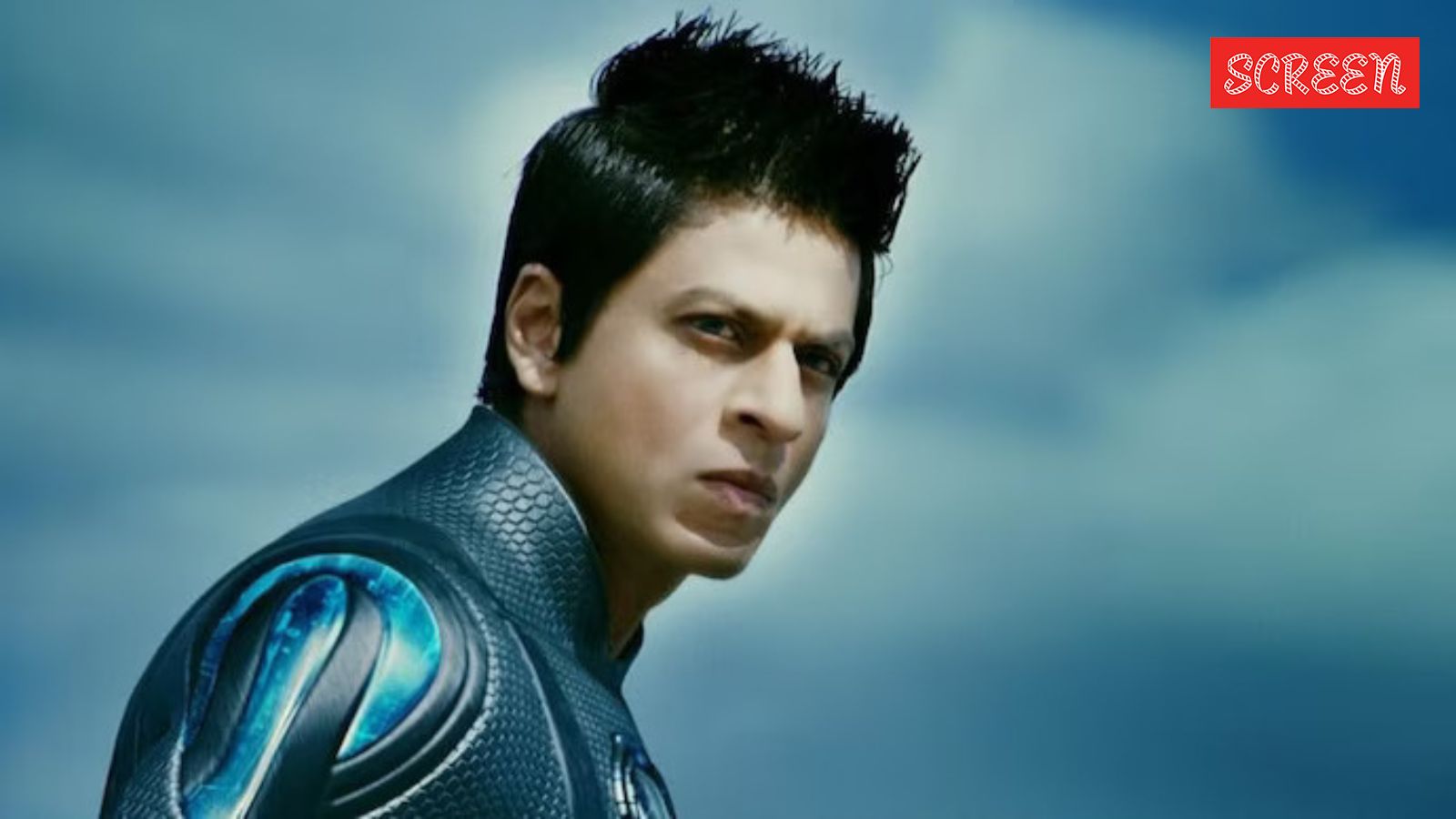
‘People wanted to see Shah Rukh Khan fall’: Anubhav Sinha says it was fashionable to hate Ra.One, ‘being an SRK fan worked against me’
📰 RSS Feed Image
📖 Table of Contents
🎬 Latest Development: Anubhav Sinha on Ra.One: "People Wanted to See Shah Rukh Khan Fall," Hating the Film Was Fashionable
Ra.One, SRK, Fashionable Hatred
📋 What You Need to Know
Fifteen years after its release, director Anubhav Sinha has offered a candid look back at the reception of his ambitious sci-fi film, *Ra.One*, starring Shah Rukh Khan. Sinha reveals that the public sentiment towards the superstar at the time played a significant role in the film's polarizing reviews and commercial performance. He suggests a prevailing desire among certain factions to see Khan stumble, making it "fashionable to hate" the film. This introspection sheds light not just on the challenges of filmmaking but also on the often-unpredictable dynamics of celebrity culture and public perception in Bollywood, where personal biases can sometimes overshadow artistic merit.
🎭 Complete Story
Anubhav Sinha’s recent revelations about *Ra.One* provide a poignant perspective on a film that, despite its technical ambition and star power, became a lightning rod for criticism. "People wanted to see Shah Rukh Khan fall," Sinha stated, reflecting on the palpable negativity surrounding the film’s 2011 release. This sentiment, he believes, created an environment where "it was fashionable to hate Ra.One," leading to a collective dismissal that transcended genuine cinematic critique. Sinha candidly admitted that "being an SRK fan worked against me," implying that his association with the superstar may have inadvertently drawn additional scrutiny and prejudice. The director, who has since gained acclaim for socially relevant films like *Mulk* and *Article 15*, recalled the intense pressure and the often-unjust nature of the backlash. He highlighted how the film's innovative visual effects, a rarity in Indian cinema at the time, were overshadowed by a narrative driven by an underlying desire to see the reigning superstar falter. Sinha's comments underscore the complex interplay between a film's artistic merits, its star's public image, and the broader socio-cultural climate, where narratives can be shaped by forces beyond the director's control.
📊 Industry Analysis
The case of *Ra.One* offers a compelling study in the fickle nature of audience reception and the unique pressures faced by Bollywood's biggest stars. In an industry often driven by fervent fan followings and equally passionate detractors, a film's fate can sometimes hinge on factors beyond its storytelling or technical prowess. The "fashionable hate" Sinha describes isn't an isolated incident; many high-profile projects starring established superstars have faced disproportionate scrutiny, often amplified by social media trends and rival fan bases. This phenomenon highlights a deeper trend in the Indian film landscape, where the line between genuine critical assessment and personal biases against an actor or filmmaker can blur. For filmmakers, this presents a significant challenge: how to innovate and take risks when public sentiment can be so unpredictable and unforgiving. The industry continuously grapples with balancing commercial viability, star power, and creative integrity, often learning hard lessons from films like *Ra.One* that dared to push boundaries but faced an uphill battle against preconceived notions.
💬 Expert Commentary
"Anubhav Sinha's perspective on *Ra.One* is incredibly insightful," comments film critic and analyst, Dr. Priya Sharma. "It highlights a crucial aspect of celebrity culture in India: the immense pressure on superstars and the often-schadenfreude-driven desire to see them fail after prolonged success. *Ra.One* was ambitious, perhaps ahead of its time for Indian VFX, but it became a victim of a collective narrative that had little to do with the film's actual merits. This wasn't just about critical reviews; it was a cultural moment where dismissing an SRK film was seen as an act of intellectual superiority by some. It's a stark reminder that even the biggest stars are vulnerable to public perception shifts, and a director's vision can be collateral damage in these larger, often irrational, cultural wars."
🔗 Related Context
The public's reaction to *Ra.One* echoes similar instances where films starring major stars faced undue criticism or became cultural punching bags. One can draw parallels to the initial polarized reactions to films like *Thugs of Hindostan* or *Laal Singh Chaddha*, where the star's presence, rather than the film's content alone, fueled much of the discourse. Conversely, some films, initially panned, later gained cult status, suggesting a generational shift in appreciation. This phenomenon is not unique to Bollywood; Hollywood too has seen ambitious blockbusters, like *Waterworld* or *John Carter*, struggle against negative narratives, often before audiences even had a chance to form their own opinions. The context of *Ra.One* thus fits into a broader pattern of audience psychology and the powerful influence of pre-release buzz, both positive and negative, on a film's ultimate legacy.
🔍 Explore More Bollywood Content
Stay connected with the latest happenings in Hindi cinema:
Exclusive stories about your favorite Bollywood stars
Latest box office numbers and film business analysis
Comprehensive coverage of the Indian film industry
💡 Visit Hindi Cinema News for more.
🎯 Key Takeaways
Anubhav Sinha's recent reflections on *Ra.One* serve as a powerful reminder of the complex and often unforgiving landscape of the Indian film industry. His candid admission about the "fashionable hate" and the desire to see Shah Rukh Khan "fall" offers a rare glimpse into the psychological toll and societal pressures that can influence a film's reception, often overshadowing its artistic intent or technical achievements. While *Ra.One* may have initially struggled against a tide of negativity, Sinha's later success demonstrates resilience and artistic growth. The film's legacy continues to be debated, but his insights underscore a critical lesson: in the world of cinema, success and failure are not always solely determined by the merits of the craft, but also by the intricate dance between public sentiment, celebrity status, and cultural narratives.
❓ Frequently Asked Questions
Q: When did this news break?
A: This story was reported today with comprehensive coverage as details emerge.
Q: What makes this significant?
A: This development represents an important moment in the Hindi film industry.
📢 Stay Updated
Don't miss breaking entertainment news! Follow us for real-time updates.
What's your take? Share your thoughts in the comments!
