
Tamil Nadu Theatre Owners Demand A-Lister Salary Cuts
🚨 Breaking Bollywood News Alert! Get the complete inside story. Updated December 8, 2025.
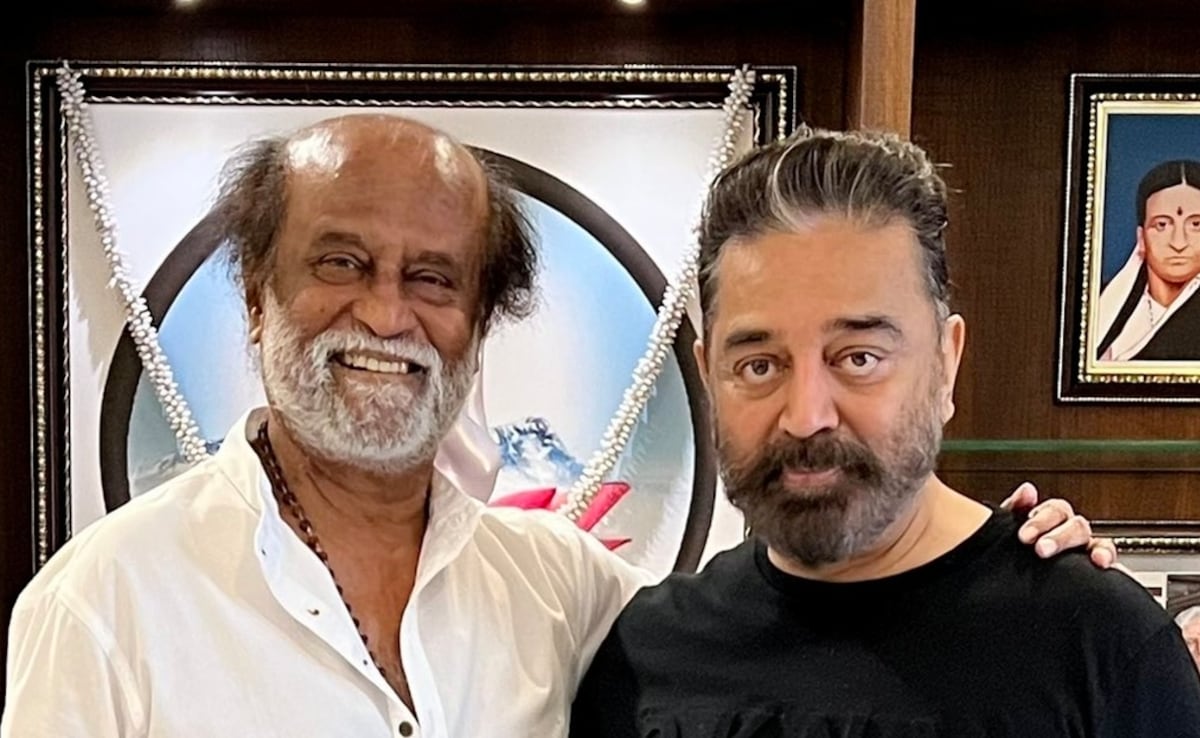
Tamil Nadu Theatre Owners Ask A-Listers Like Rajinikanth And Kamal Haasan To Take Salary Cuts
📰 RSS Feed Image
📖 Table of Contents
🎬 Latest Development: Financial Strain Sparks Bold Demand: Tamil Nadu Theatre Owners Ask Rajinikanth, Kamal Haasan for Salary Cuts
TN Theatre Owners demand salary cuts.
📋 What You Need to Know
In a significant development that has sent ripples across the South Indian film industry, the Tamil Nadu Theatre Owners Association has reportedly made a bold appeal to A-list actors, including industry titans like Rajinikanth and Kamal Haasan, to consider taking salary cuts. This unprecedented move stems from the severe financial strain experienced by the exhibition sector, exacerbated by rising production costs, the proliferation of OTT platforms, and stagnant ticket prices. Following a crucial meeting of the Tamil Film Producers Council (TFPC) in November, the theatre owners' demand highlights the growing urgency for a sustainable economic model within the industry. This collective plea underscores a critical juncture where various stakeholders must collaborate to ensure the long-term viability of the theatrical experience in Tamil Nadu, a region known for its fervent cinephile culture and superstar worship.
🎭 Complete Story
The decision by the Tamil Nadu Theatre Owners Association to formally request salary reductions from top-tier actors like Rajinikanth and Kamal Haasan is a direct response to the escalating financial pressures threatening the exhibition business. Over the past few years, theatre owners have grappled with a multitude of challenges, including diminishing footfall due to the rise of streaming services, increased operational costs, and the inability to significantly raise ticket prices without alienating audiences or facing government caps. The exorbitant remuneration commanded by A-list stars, which often forms a substantial portion of a film's budget, directly impacts the overall profitability for producers and, consequently, the revenue share for exhibitors. The TFPC meeting in November likely laid the groundwork for these discussions, highlighting the interconnectedness of various industry segments. Theatre owners argue that a reduction in star salaries would allow for more sustainable production budgets, potentially leading to a greater number of films, fairer revenue sharing, and ultimately, a healthier ecosystem for theatrical releases. The move places these iconic actors in a crucial position to potentially set a precedent for industry-wide financial restructuring.
📊 Industry Analysis
This demand for salary cuts from A-listers in Tamil Nadu is indicative of a broader industry crisis facing the exhibition sector across India. The meteoric rise of OTT platforms during and after the pandemic fundamentally altered viewing habits, pushing many films directly to digital releases. While this offered new avenues for content, it significantly impacted the traditional theatrical revenue model. The South Indian film industry, particularly Tamil cinema, is deeply rooted in the theatrical experience, with stars like Rajinikanth and Kamal Haasan enjoying demigod status that guarantees initial box office pull. However, even their films are not immune to the economic realities of inflated production costs and changing audience preferences. This situation forces a critical re-evaluation of the entire value chain, from star remuneration to ticket pricing and revenue distribution. A successful negotiation could lead to a more balanced economic framework, potentially encouraging mid-budget films and fostering a more diverse cinematic landscape. Conversely, a lack of consensus could deepen the divide between exhibitors and talent, jeopardizing the future of theatrical releases.
💬 Expert Commentary
"This is a desperate but necessary move by the theatre owners," states film trade analyst Ramesh Bala. "Star salaries have bloated budgets to unsustainable levels, especially when coupled with the rise of OTT. Rajinikanth and Kamal Haasan are legends, but their fees impact the entire chain. A collective understanding is crucial for survival." Producer G. Dhananjayan adds, "Producers are caught in the middle. We need stars to draw crowds, but their fees make it difficult to recoup investments, leaving less for exhibitors. A balanced approach where stars, producers, and exhibitors share the burden and the gains is the only way forward." Cinema chain owner, Priya Rajan, comments, "Our margins are shrinking. We invest heavily in infrastructure and experience, but if films aren't profitable for anyone down the line, theatres will continue to struggle. This isn't about blaming stars; it's about finding a collective solution for the industry's health."
🔗 Related Context
The current situation in Tamil Nadu echoes similar financial challenges and discussions that have occurred in other regional and national film industries. In Bollywood, there have been intermittent calls for actors and directors to reconsider their fees, particularly during periods of economic downturn or production slowdowns. The pandemic specifically highlighted the vulnerability of the theatrical model, leading to increased reliance on digital platforms and forcing a re-evaluation of traditional release windows. Historically, disputes over revenue sharing between producers, distributors, and exhibitors are not uncommon, but the current demand for salary cuts from top actors signifies a new level of urgency and directness. The response from Rajinikanth, Kamal Haasan, and other A-listers will set a precedent, potentially influencing how talent remuneration is structured across the entire Indian film landscape in the coming years.
🔍 Explore More Bollywood Content
Stay connected with the latest happenings in Hindi cinema:
Comprehensive coverage of the Indian film industry
Latest box office numbers and film business analysis
Expert reviews and ratings of the latest Hindi films
💡 Visit Hindi Cinema News for more.
🎯 Key Takeaways
The demand by Tamil Nadu Theatre Owners for A-list actors like Rajinikanth and Kamal Haasan to take salary cuts marks a critical moment for the South Indian film industry. It underscores the severe financial pressures facing the exhibition sector and the urgent need for a more sustainable economic model in an era dominated by streaming services and escalating production costs. The outcome of these discussions, and the subsequent demands the Tamil Nadu Theatres Association will present to the state government, will profoundly impact the future of theatrical releases. This situation calls for unprecedented collaboration and understanding among all stakeholders—stars, producers, distributors, and exhibitors—to safeguard the rich cinematic culture of Tamil Nadu. A collective solution, rather than individual blame, will be essential to ensure that the magic of the big screen continues to thrive for generations to come.
❓ Frequently Asked Questions
Q: When did this news break?
A: This story was reported today with comprehensive coverage as details emerge.
Q: What makes this significant?
A: This development represents an important moment in the Hindi film industry.
📢 Stay Updated
Don't miss breaking entertainment news! Follow us for real-time updates.
What's your take? Share your thoughts in the comments!
