
Zakir Khan Backs Javed Akhtar on Comedy's Vulgar Language
🚨 Breaking Bollywood News Alert! Get the complete inside story. Updated December 19, 2025.
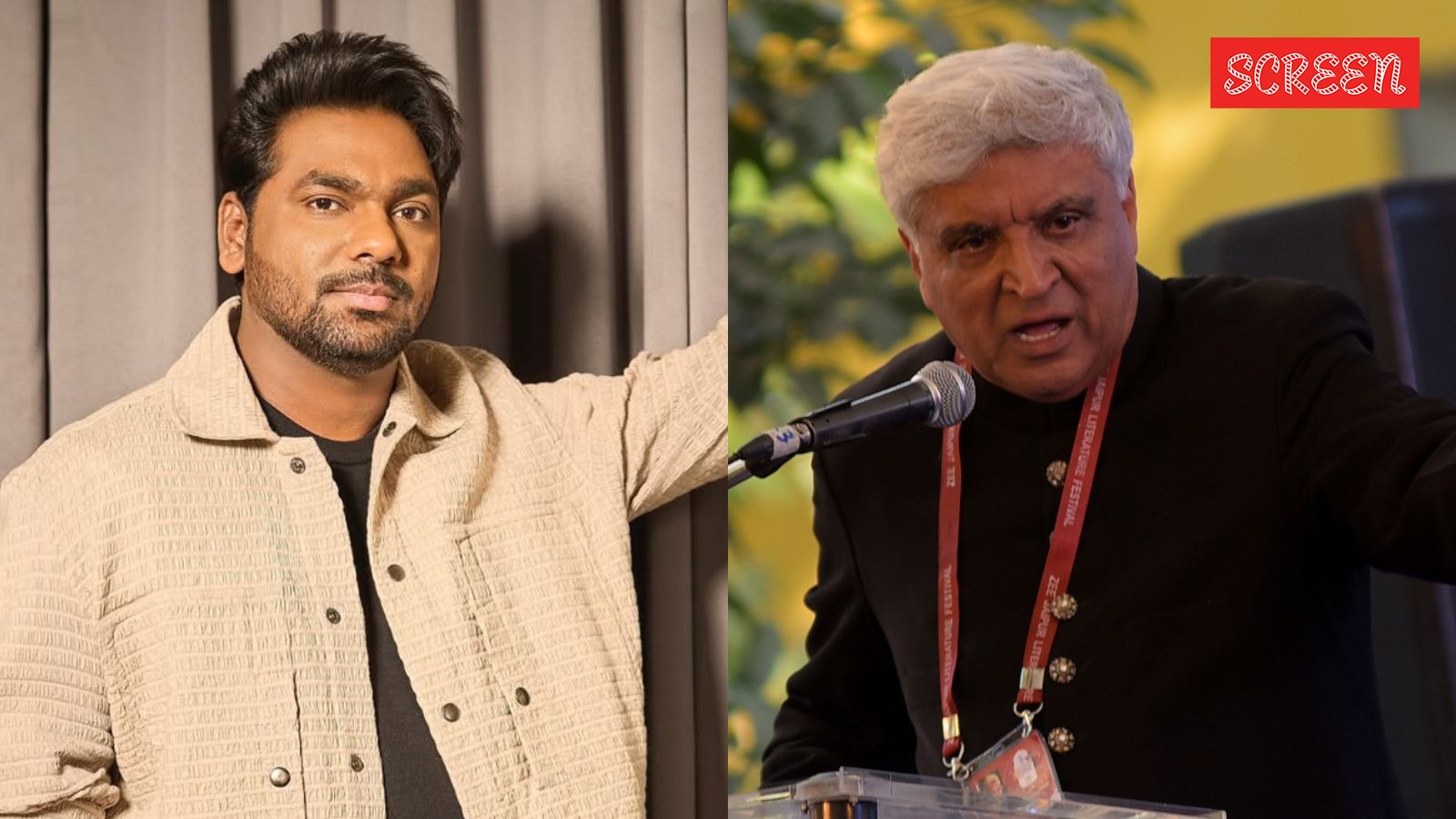
Zakir Khan says Javed Akhtar’s criticism of vulgar language in comedy is valid: ‘You can’t be pointing a finger’
📰 RSS Feed Image
📖 Table of Contents
🎬 Latest Development: Zakir Khan Sides with Javed Akhtar: Acknowledges Validity of Criticism Against Vulgarity in Modern Comedy
Zakir Khan supports Akhtar's stance.
📋 What You Need to Know
In a significant development that has stirred conversations across the entertainment industry, celebrated poet, lyricist, and screenwriter Javed Akhtar recently voiced his concerns regarding the increasing use of vulgar language in modern comedy. His critique, coming from a veteran voice known for his literary prowess, sparked immediate debate. Interestingly, stand-up comedian Zakir Khan, a prominent figure in the contemporary Indian comedy scene known for his relatable storytelling and 'sakht launda' persona, has publicly acknowledged the validity of Akhtar's criticism. Khan's statement, particularly his comment, "You can’t be pointing a finger," offers a nuanced perspective on the evolving landscape of humor and the boundaries of language in artistic expression. This alignment between an industry veteran and a new-age comedian highlights a crucial conversation about artistic responsibility and audience sensibilities.
🎭 Complete Story
Javed Akhtar, a towering figure in Indian arts and letters, recently expressed his dismay over what he perceives as a decline in the quality of language used in contemporary comedy. His criticism, articulated in a public forum, underscored a concern that much of modern humor relies on vulgarity and shock value rather than wit and intelligent observation. Akhtar, whose body of work is synonymous with eloquent and thoughtful expression, suggested that this trend might be diminishing the art form itself. Following this, Zakir Khan, a comedian who has carved a niche for himself with his storytelling and grounded humor, surprisingly supported Akhtar's stance. Khan, who is often seen as a voice of the younger generation, stated that Akhtar's criticism is "valid" and added, "You can’t be pointing a finger." This comment implies a shared understanding that while creative freedom is paramount, there is also a degree of responsibility that comes with the power to influence. Khan's acknowledgment suggests that even within the comedy community, there's an internal dialogue about maintaining a certain standard of language and content. He didn't dismiss Akhtar's critique as an old-school perspective but rather recognized it as a legitimate point of reflection for artists, particularly those who command a large audience and shape public discourse through their performances. This nuanced response adds depth to the ongoing debate about the boundaries of humor and the evolving role of language in comedic expression.
📊 Industry Analysis
The debate surrounding vulgarity and language in comedy is a long-standing one, often highlighting the generational and cultural divide in what is considered acceptable or humorous. In India, where traditional values often intersect with modern expressions, this discussion gains particular significance. The rise of stand-up comedy, especially on digital platforms, has given comedians unprecedented freedom but also brought them under increased scrutiny. While some argue for absolute creative freedom, viewing language as merely a tool for expression, others contend that artists have a social responsibility to consider the impact of their words, especially on impressionable audiences. The industry is constantly navigating this tension, balancing the desire to push boundaries and challenge norms with the need to avoid gratuitous offense. This conversation also touches upon the commercial aspect; while edgy content can draw a certain audience, it can also alienate others, affecting broader appeal and brand collaborations. Zakir Khan's agreement with Javed Akhtar signals a potential shift or at least a growing introspection within the comedy circuit itself, moving towards a more thoughtful engagement with their craft.
💬 Expert Commentary
"Zakir Khan's response to Javed Akhtar's criticism is incredibly insightful and mature," notes Dr. Rhea Sharma, a cultural critic specializing in performing arts. "It shows that while comedians will always push boundaries, there's also a deep understanding of the impact of their art. Akhtar's point isn't about censorship, but about the craft of comedy, and Zakir acknowledges that you can be funny without resorting to cheap thrills. This internal validation from within the comedy community lends significant weight to Akhtar's argument." Stand-up comedy veteran, Sameer Gupta, adds, "It’s a tough balance. Comedians want to be authentic, and sometimes that means using language that reflects reality. But there’s a difference between authenticity and laziness. Zakir's point about 'not pointing a finger' means we as artists should self-regulate and constantly strive for smarter, more impactful humor, rather than just relying on expletives for laughs. It's about raising the bar for the art form."
🔗 Related Context
The discussion initiated by Javed Akhtar and amplified by Zakir Khan is not an isolated incident. Globally, comedians and critics have often debated the evolving nature of humor, especially concerning controversial topics and language. In India, there have been several instances where comedians have faced backlash for their content, leading to public apologies, legal battles, and even self-censorship. This constant push-and-pull highlights the delicate relationship between freedom of speech, artistic expression, and public sentiment. The involvement of figures like Akhtar and Khan, representing different generations and styles, underscores the universality of this dilemma and the ongoing quest to define the role and responsibilities of humor in a rapidly changing society.
🔍 Explore More Bollywood Content
Stay connected with the latest happenings in Hindi cinema:
Comprehensive coverage of the Indian film industry
Inside stories and exclusive Bollywood entertainment news
Expert reviews and ratings of the latest Hindi films
💡 Visit Hindi Cinema News for more.
🎯 Key Takeaways
Zakir Khan's thoughtful agreement with Javed Akhtar's criticism of vulgar language in comedy marks a significant moment in the ongoing discourse about artistic responsibility and the evolving nature of humor. It highlights a shared understanding, even across generational divides, that while creative expression should be free, it also carries the weight of influence. Khan's acknowledgment that "You can’t be pointing a finger" implies a call for introspection within the comedy community, urging artists to elevate their craft beyond mere shock value. This vital conversation, spearheaded by respected voices from different facets of the entertainment world, is crucial for the healthy development of comedy, pushing it towards more nuanced, impactful, and responsibly crafted humor for audiences who are increasingly discerning.
❓ Frequently Asked Questions
Q: When did this news break?
A: This story was reported today with comprehensive coverage as details emerge.
Q: What makes this significant?
A: This development represents an important moment in the Hindi film industry.
📢 Stay Updated
Don't miss breaking entertainment news! Follow us for real-time updates.
What's your take? Share your thoughts in the comments!
