
Anup Jalota's Conversion Advice to AR Rahman Sparks Row
🚨 Breaking Bollywood News Alert! Get the complete inside story. Updated January 20, 2026.
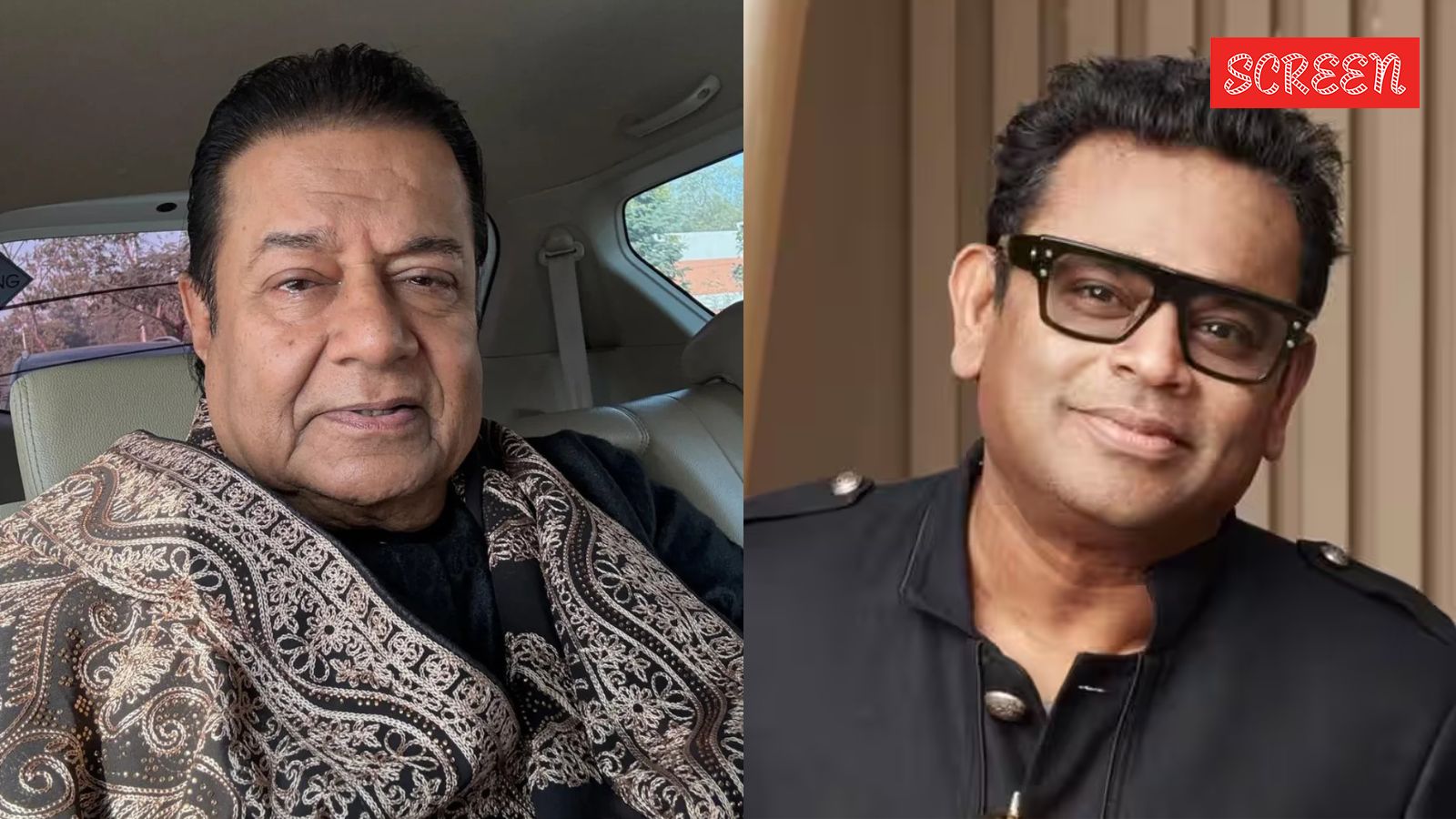
‘Convert back to Hinduism’: Anup Jalota’s shocking advice to AR Rahman after composer’s communal bias claim
📰 RSS Feed Image
📖 Table of Contents
🎬 Latest Development: Anup Jalota's Controversial Call: "Convert Back to Hinduism" After AR Rahman Alleges Communal Bias in Bollywood
Jalota's controversial advice to Rahman.
📋 What You Need to Know
The Indian music industry has been rocked by a fresh wave of controversy following veteran devotional singer Anup Jalota's startling advice to Oscar-winning composer AR Rahman. This provocative statement came in response to Rahman's earlier claims of a "gang" within Bollywood actively working against him due to his religious identity. Jalota's counsel, urging Rahman to "convert back to Hinduism," has ignited a fierce debate across social media and within entertainment circles, drawing criticism and condemnation for its communal overtones. The incident not only highlights the sensitive issue of religious identity in India's public sphere but also raises pertinent questions about alleged biases and the often-unspoken dynamics within the highly competitive Bollywood industry. This blog post delves into the origins of the controversy, the immediate reactions, and its broader implications.
🎭 Complete Story
The genesis of this controversy lies in AR Rahman's candid revelation during an interview, where he hinted at a powerful "gang" in Bollywood preventing him from securing more work. While he didn't explicitly name individuals, he alluded to the impact of his religious identity (Islam, having converted from Hinduism in his youth) on his career prospects, stating, "I don't say much about it, but a 'gang' works against me, without them knowing that they are doing more harm to me than good." This statement, from a globally acclaimed artist, sent ripples through the industry, prompting discussions about nepotism, power dynamics, and the often-ignored aspect of communal bias.
📊 Industry Analysis
The exchange between Anup Jalota and AR Rahman has thrown a harsh spotlight on the seldom-discussed issue of communal bias within the Indian entertainment industry. While Bollywood often projects an image of secularism and inclusivity, whispers of discrimination based on religion, caste, and regional identity have always lingered beneath the surface. Rahman's initial statement, coming from an artist of his stature, lends significant weight to these long-standing allegations, forcing the industry to confront uncomfortable truths. Jalota's response, however, has not only exacerbated the situation but also highlighted the societal tension surrounding religious conversions in India. The incident underscores how deeply intertwined religious identity is with public perception and professional opportunities, particularly for high-profile individuals. The industry's reaction, or lack thereof from some quarters, also speaks volumes about the hesitancy to openly address such sensitive topics, often preferring to maintain a facade of unity. This controversy could potentially trigger a much-needed dialogue about diversity, inclusion, and equitable opportunities within Bollywood, pushing for greater transparency and accountability.
💬 Expert Commentary
"Anup Jalota's comment is not just insensitive; it's deeply problematic and reflects a dangerous trend of linking professional success to religious identity," states Dr. Priya Sharma, a cultural sociologist specializing in Indian society. "It trivializes an individual's spiritual journey and attempts to place conditions on their professional life based on their faith, which is antithetical to a secular society." Film historian, Rajeev Mehta, adds, "While Bollywood has historically been a melting pot, claims of communal bias are not new. There have always been subtle, and sometimes overt, preferences or exclusions based on community. Rahman's statement, given his immense contribution, is a powerful indictment, and Jalota's response only exposes the underlying prejudices that unfortunately persist within certain segments of the industry and society at large." Legal expert, Adv. Sameer Khan, also weighed in, stating, "While freedom of speech is a fundamental right, inciting communal disharmony or making statements that promote discrimination based on religion can have serious legal and social repercussions. Public figures have a greater responsibility to exercise caution and promote harmony, not division."
🔗 Related Context
The controversy surrounding AR Rahman and Anup Jalota is not an isolated incident but rather echoes a broader national discourse on religious freedom, conversion, and communal harmony in India. In recent years, there has been heightened scrutiny and debate around religious conversions, often fueled by political narratives. Public figures, particularly those from minority communities, frequently find their religious identities becoming a focal point of discussion, sometimes overshadowing their professional achievements. Similar instances of celebrities speaking out about alleged discrimination or facing backlash for their religious choices have occurred across various fields. This incident also brings to mind past debates within Bollywood concerning artistic freedom versus religious sentiments, and the constant tightrope walk that public figures must undertake in a diverse yet often polarized society. It serves as a stark reminder of how deeply personal beliefs can become politicized in the public arena.
🔍 Explore More Bollywood Content
Stay connected with the latest happenings in Hindi cinema:
Exclusive stories about your favorite Bollywood stars
Latest box office numbers and film business analysis
Inside stories and exclusive Bollywood entertainment news
💡 Visit Hindi Cinema News for more.
🎯 Key Takeaways
The contentious exchange between Anup Jalota and AR Rahman has ignited a crucial, albeit uncomfortable, conversation about communal bias and religious identity within the Indian entertainment industry. While AR Rahman's initial claims highlighted the subtle yet pervasive challenges faced by minority artists, Anup Jalota's subsequent advice to "convert back to Hinduism" has amplified the controversy, drawing sharp condemnation for its divisive nature. This incident underscores the urgent need for open dialogue, empathy, and respect for individual choices in a diverse society. It calls upon industry leaders and public figures to foster an environment of inclusivity, ensuring that talent and merit are the sole determinants of success, irrespective of one's religious or personal beliefs. The path forward demands a commitment to upholding secular values and promoting harmonious coexistence, both within Bollywood and beyond.
❓ Frequently Asked Questions
Q: When did this news break?
A: This story was reported today with comprehensive coverage as details emerge.
Q: What makes this significant?
A: This development represents an important moment in the Hindi film industry.
📢 Stay Updated
Don't miss breaking entertainment news! Follow us for real-time updates.
What's your take? Share your thoughts in the comments!
