
AR Rahman Controversy: Javed Akhtar & Shaan Dispel 'Communal' Claims
🚨 Breaking Bollywood News Alert! Get the complete inside story. Updated January 17, 2026.
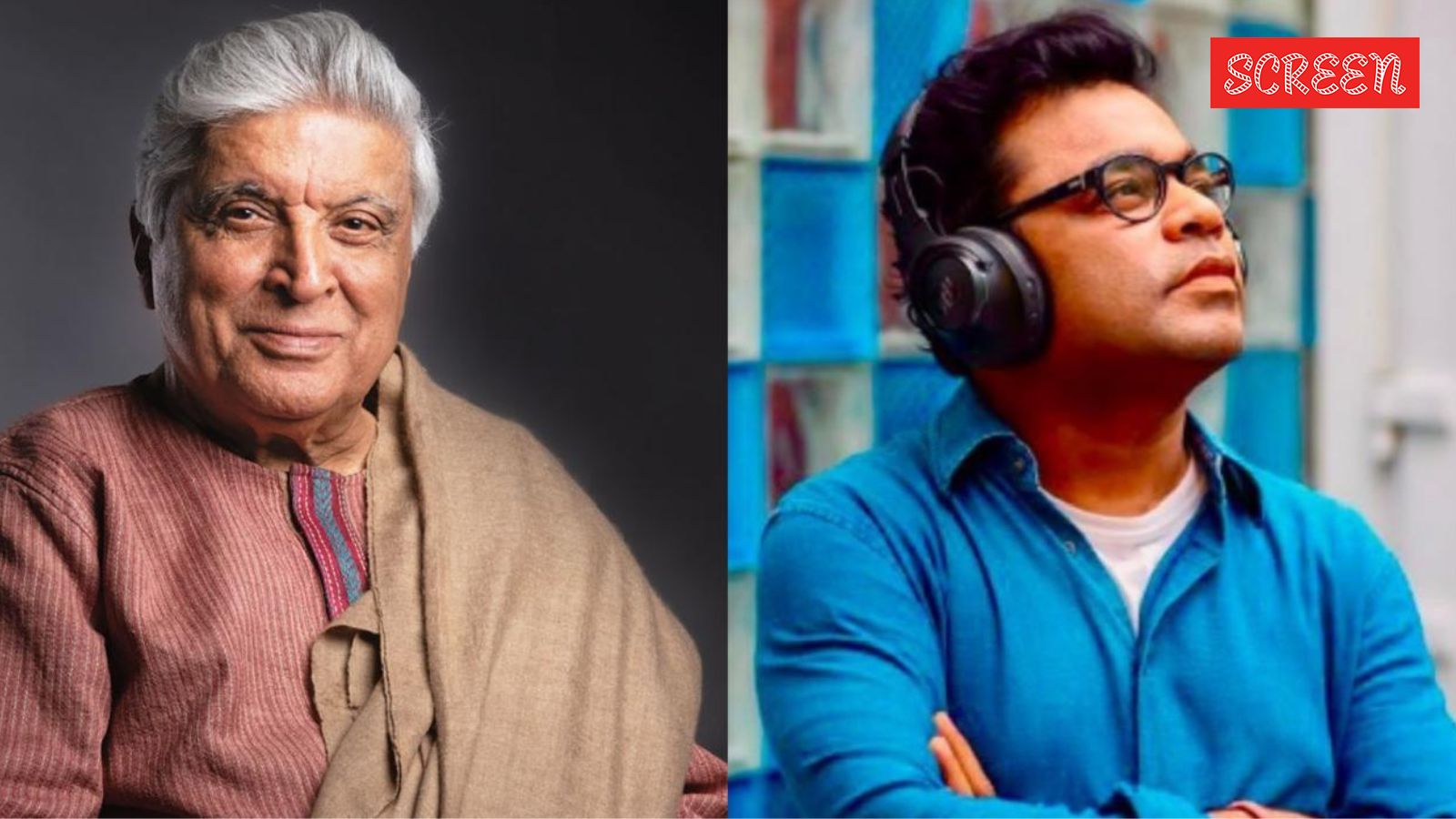
Javed Akhtar says ‘no communal element’ in AR Rahman not getting work in Bollywood; Shaan says ‘3 superstars also belong to minority communities’
📰 RSS Feed Image
📖 Table of Contents
🎬 Latest Development: Bollywood Legends Challenge AR Rahman's 'Communal Element' Claim: A Deep Dive into Industry Dynamics
Rahman Controversy Divides Bollywood Voices.
📋 What You Need to Know
Oscar-winning composer AR Rahman recently ignited a significant debate within the Hindi film industry by suggesting a "gang" with communal leanings was preventing him from getting work. His remarks sent ripples across Bollywood, prompting various artists to weigh in on the complex dynamics of the industry. Among the first to offer a counter-narrative were veteran lyricist Javed Akhtar and acclaimed singer Shaan, both of whom vehemently dismissed the idea of a communal bias, instead pointing to the industry's inherent complexities, meritocracy, and diverse fabric. Their perspectives shed light on the multifaceted nature of Bollywood's operational mechanisms, challenging the narrative of a religiously motivated cartel.
🎭 Complete Story
AR Rahman’s initial statement, where he alluded to a "communal gang" actively working against him in the Hindi film industry, sparked widespread discussion and concern. The celebrated musician expressed that he had been receiving less work in Bollywood, attributing it to certain individuals spreading "false rumours." This sentiment, coming from an artist of his stature, naturally commanded attention. However, prominent voices quickly emerged to offer a different viewpoint. Javed Akhtar, known for his incisive observations and long-standing presence in Bollywood, firmly stated that he found "no communal element" in the industry's functioning. Akhtar emphasized that Bollywood, by its very nature, thrives on collaboration and talent, making communal discrimination practically unviable for sustained success. He argued that the industry operates on a different set of principles, often driven by trends, commercial viability, and individual preferences rather than religious prejudice. Adding to this perspective, singer Shaan echoed similar sentiments, further strengthening the argument against Rahman's communal claim. Shaan pointed out the significant presence and success of "three superstars" from minority communities in Bollywood, underscoring the industry's inclusive nature. He highlighted that talent and mass appeal, not religious background, dictate an artist's longevity and opportunities in Hindi cinema. Both Akhtar and Shaan, through their nuanced responses, aimed to contextualize Rahman's remarks within the broader, often unpredictable, landscape of Bollywood, suggesting that factors beyond communalism are at play when an artist experiences a fluctuation in work.
📊 Industry Analysis
The Hindi film industry, often dubbed Bollywood, is a vast and intricate ecosystem driven by creativity, commerce, and constant evolution. The notion of a "communal gang" operating within it raises serious questions about its fundamental structure. Historically, Bollywood has been celebrated for its secular ethos, bringing together individuals from diverse religious, linguistic, and cultural backgrounds. The success stories of numerous artists from minority communities, including actors, directors, musicians, and technicians, stand as a testament to this inclusive environment. However, like any large industry, Bollywood is not without its challenges. Issues such as nepotism, favoritism, and the formation of exclusive camps are frequently debated. These dynamics, while problematic, are generally viewed as power struggles or preferential treatment based on personal relationships or commercial interests, rather than religious discrimination. The industry's reliance on public appeal means that talent and charisma often transcend other considerations. Furthermore, changing musical trends, evolving audience tastes, and the entry of new talent constantly reshape the demand for artists. A composer, no matter how iconic, might find their style less in vogue for a period, or newer directors might opt for fresh voices, leading to fluctuations in work. This complex interplay of artistic merit, market demand, and interpersonal relationships forms the true fabric of Bollywood's operational reality, making simplistic explanations like "communal gangs" contentious and difficult to substantiate in the face of its diverse history.
💬 Expert Commentary
Javed Akhtar’s assertion that there is "no communal element" at play in Bollywood’s work distribution holds significant weight, given his decades-long career as a lyricist and screenwriter. He understands the industry's inner workings intimately, having navigated its complexities for generations. Akhtar's perspective suggests that the industry's survival depends on merit and mass appeal, not on religious affiliations. "The industry works purely on talent and market value," he might imply, dismissing the idea that a religious agenda could dictate who gets work from such a diverse and commercially driven entity. Shaan’s commentary further supports this by highlighting the success of "three superstars also belong to minority communities." This direct challenge to the communal narrative emphasizes Bollywood's long-standing tradition of embracing talent regardless of background. Shaan's observation underlines the fact that, at the highest echelons of stardom, religious identity has not been a barrier to immense success and widespread adoration. Both artists, through their statements, aim to paint a picture of an industry that, while imperfect and competitive, fundamentally values artistic contribution over divisive identities, safeguarding its secular foundation.
🔗 Related Context
The discussion surrounding AR Rahman's comments is not entirely unprecedented within Bollywood. Over the years, various artists have voiced concerns about the industry's perceived "camps," favoritism, and the challenges of sustaining a career amidst intense competition. Issues like nepotism have been widely debated, especially in recent times, highlighting the internal politics and power structures that can influence work opportunities. However, direct accusations of communal bias, particularly from a figure as revered as Rahman, are relatively rare and thus carry more weight, prompting immediate rebuttals from concerned industry veterans. The sensitivity surrounding communal narratives in India means that such statements, even if anecdotal, can quickly escalate into broader societal discussions. Therefore, the swift and strong reactions from figures like Javed Akhtar and Shaan reflect not just an defense of Bollywood's integrity but also a broader concern about the potential for such remarks to sow division or misrepresent the secular fabric of the nation's most visible cultural industry.
🔍 Explore More Bollywood Content
Stay connected with the latest happenings in Hindi cinema:
Get the latest breaking news and updates from Hindi cinema
Latest box office numbers and film business analysis
Expert reviews and ratings of the latest Hindi films
💡 Visit Hindi Cinema News for more.
🎯 Key Takeaways
AR Rahman's suggestion of a "communal gang" in Bollywood sparked a critical conversation, prompting veteran figures like Javed Akhtar and Shaan to offer a nuanced, counter-perspective. Their collective stance firmly refutes the presence of religious discrimination as a primary factor in work allocation, instead highlighting Bollywood's inherent diversity, meritocratic leanings, and the complex interplay of commercial viability and evolving trends. While the film industry, like any other, faces challenges such as favoritism and fierce competition, these seasoned artists contend that its fundamental ethos remains secular and talent-driven. This ongoing dialogue underscores the importance of a holistic understanding of Bollywood's dynamics, moving beyond simplistic accusations to appreciate its intricate tapestry of creativity, commerce, and collaboration. Ultimately, the debate reinforces the industry's enduring commitment to art that transcends divisive boundaries.
❓ Frequently Asked Questions
Q: When did this news break?
A: This story was reported today with comprehensive coverage as details emerge.
Q: What makes this significant?
A: This development represents an important moment in the Hindi film industry.
📢 Stay Updated
Don't miss breaking entertainment news! Follow us for real-time updates.
What's your take? Share your thoughts in the comments!
