
Film Body Seeks PM Modi Help to Lift Dhurandhar Ban
🚨 Breaking Bollywood News Alert! Get the complete inside story. Updated January 8, 2026.
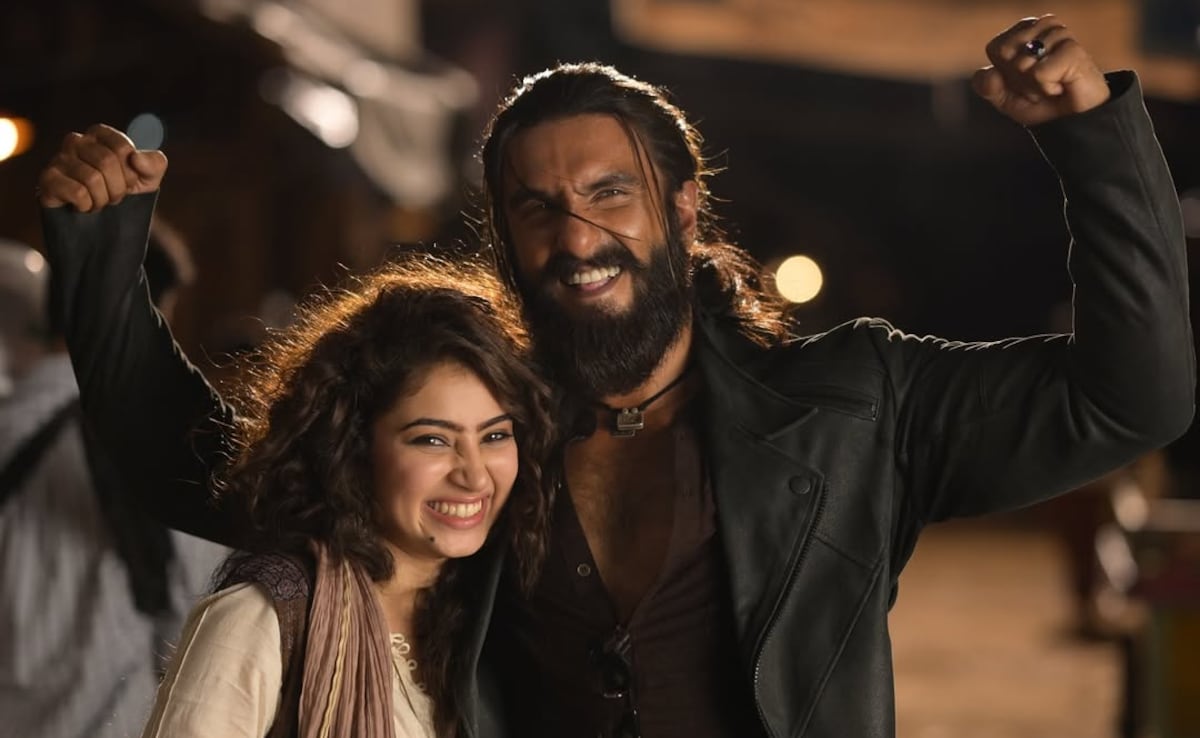
Film Body Requests PM Modi To Help Lift Dhurandhar Ban In UAE, Gulf
📰 RSS Feed Image
📖 Table of Contents
🎬 Latest Development: Film Body Requests PM Modi to Help Lift 'Dhurandhar' Ban in UAE, Gulf Regions
Ban on Dhurandhar in Gulf.
📋 What You Need to Know
In a significant development for Indian cinema, a prominent film body has formally appealed to Prime Minister Narendra Modi, seeking his intervention to lift the ban on the film 'Dhurandhar' in the United Arab Emirates (UAE) and other Gulf countries. The appeal highlights the growing concerns within the industry regarding market access and the impact of such bans on both filmmakers and the cultural exchange between nations. The letter, also addressed to Union Information and Broadcasting Minister Ashwini Vaishnaw and External Affairs Minister S Jaishankar, underscores the gravity of the situation and the perceived need for diplomatic engagement to resolve the issue, bringing to light the complex interplay of cultural sensitivities, censorship, and international relations in the realm of entertainment.
🎭 Complete Story
The film 'Dhurandhar,' a recent Indian production, has reportedly faced a ban across the UAE and other Gulf Cooperation Council (GCC) nations, leading to significant financial and cultural repercussions for its makers. While the specific reasons for the ban have not been explicitly detailed in public statements by the Gulf authorities, such restrictions are typically imposed due to content deemed culturally insensitive, politically controversial, or religiously objectionable by the local censorship boards. These can range from depictions of certain lifestyles, religious references, or political narratives that clash with the conservative values prevalent in the region. The ban effectively blocks the film's release in a crucial overseas market, as the Gulf region, particularly the UAE, houses a large Indian diaspora and represents a substantial revenue stream for Bollywood and regional Indian films.
📊 Industry Analysis
The ban on 'Dhurandhar' in the UAE and Gulf regions and the subsequent appeal to the Indian government reflect a recurring challenge for Indian cinema seeking global distribution. The Gulf market is not just a lucrative one due to its significant Indian expatriate population, but also a gateway for Indian films to reach a broader international audience. However, this market operates under stringent censorship guidelines that often differ substantially from those in India or Western countries. Films are regularly scrutinized for content related to religion, sexuality, politics, and social norms, and even subtle references can lead to cuts or outright bans. This creates a precarious situation for filmmakers who must balance creative freedom with the need to adhere to diverse international standards.
💬 Expert Commentary
"This situation with 'Dhurandhar' is a classic example of the tightrope walk Indian filmmakers face when targeting international markets, particularly the Gulf," explains film trade analyst, Taran Adarsh. "The censorship rules there are very strict, and what might be considered benign in India could be highly objectionable in the UAE or Saudi Arabia. The financial implications are huge; for many films, overseas collections, especially from the Gulf, are critical to their overall box office success."
🔗 Related Context
The banning of Indian films in the Gulf region is not an isolated incident. Over the years, several Bollywood and regional films have faced similar fates or undergone significant cuts to secure release in countries like the UAE, Saudi Arabia, and Kuwait. Films such as "Padmaavat," "Article 15," "PK," and even some horror films have encountered issues due to historical interpretations, religious themes, political undertones, or depictions of intimacy. The reasons vary, but the common thread is a clash with local cultural and religious sensitivities or governmental regulations. These incidents often spark debates about freedom of expression versus cultural preservation, and the economic impact on the film industry. The diplomatic efforts to resolve such bans are also not new; governments often engage in discussions to facilitate cultural exchange and protect the commercial interests of their creative sectors abroad, recognizing the soft power potential of cinema.
🔍 Explore More Bollywood Content
Stay connected with the latest happenings in Hindi cinema:
Exclusive stories about your favorite Bollywood stars
Latest box office numbers and film business analysis
Comprehensive coverage of the Indian film industry
💡 Visit Hindi Cinema News for more.
🎯 Key Takeaways
The film body's appeal to Prime Minister Modi and other key ministers to lift the ban on 'Dhurandhar' in the UAE and Gulf regions underscores the intricate challenges faced by Indian cinema in its quest for global reach. This incident highlights the significant economic impact of international censorship on filmmakers and the broader industry, as well as the complex interplay between cultural sensitivities, commercial interests, and diplomatic relations. The outcome of this high-level intervention will be closely watched, as it could set a crucial precedent for how Indian films navigate diverse international content regulations in the future. Ultimately, it emphasizes the ongoing need for dialogue and understanding between nations to foster cultural exchange while respecting sovereign laws and cultural values.
❓ Frequently Asked Questions
Q: When did this news break?
A: This story was reported today with comprehensive coverage as details emerge.
Q: What makes this significant?
A: This development represents an important moment in the Hindi film industry.
📢 Stay Updated
Don't miss breaking entertainment news! Follow us for real-time updates.
What's your take? Share your thoughts in the comments!
