
Mehra Changed Delhi 6 Ending for Abhishek Bachchan
🚨 Breaking Bollywood News Alert! Get the complete inside story. Updated January 8, 2026.
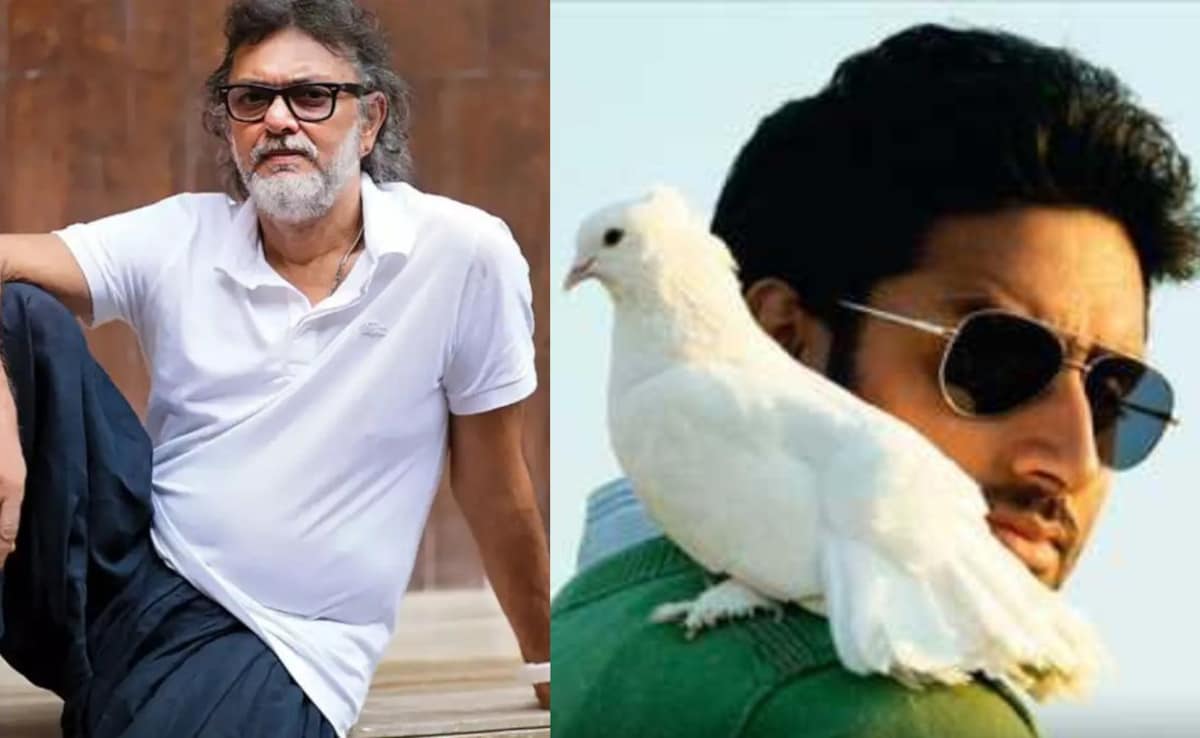
Why Rakeysh Omprakash Mehra Changed Abhishek Bachchan's Delhi 6 Ending
📰 RSS Feed Image
📖 Table of Contents
🎬 Latest Development: Why Rakeysh Omprakash Mehra Changed Abhishek Bachchan's Delhi 6 Ending: "Everybody Said, 'Leave it with Some Hope'"
Filmmaker alters Delhi 6 climax.
📋 What You Need to Know
Rakeysh Omprakash Mehra's "Delhi 6" remains a thought-provoking film, known for its layered narrative and social commentary. However, a revelation from the director himself has resurfaced, shedding light on a pivotal creative decision: the alteration of the film's original ending. Mehra recently admitted that the initial, darker conclusion for Abhishek Bachchan's character was changed to incorporate a more hopeful tone, largely due to external pressure. This candid admission offers a fascinating glimpse into the filmmaking process, the delicate balance between artistic vision and commercial viability, and the influence of industry feedback on a director's final cut. It sparks a broader conversation about creative integrity versus audience expectations in Indian cinema.
🎭 Complete Story
Rakeysh Omprakash Mehra's "Delhi 6," starring Abhishek Bachchan and Sonam Kapoor, was a film that delved deep into the socio-cultural fabric of Old Delhi, using the metaphor of a mysterious "Kala Bandar" (black monkey) to explore themes of good, evil, and inner demons. The film was critically acclaimed for its unique storytelling and powerful performances, but its ending has often been a point of discussion among cinephiles. Mehra's recent confession clarifies that the film's theatrical release featured an altered ending for Abhishek Bachchan's character, Roshan. The original vision was reportedly more ambiguous or perhaps even tragic, aligning with the darker undertones of the narrative where Roshan's internal struggles culminated in a more definitive, possibly fatal, outcome.
📊 Industry Analysis
Rakeysh Omprakash Mehra's candid admission about changing the ending of "Delhi 6" for a more hopeful tone underscores a pervasive trend within the Indian film industry. For decades, there has been a significant emphasis on delivering narratives that conclude with optimism, resolution, or at least a clear sense of closure, particularly in mainstream cinema. This approach is often driven by the belief that audiences, especially those seeking escapism and entertainment, prefer not to be left with unsettling or profoundly tragic conclusions. The pressure on filmmakers to conform to these unwritten rules can be immense, emanating from producers concerned about box office returns, distributors gauging audience reactions, and even internal studio teams providing creative feedback.
💬 Expert Commentary
"Mehra's revelation about 'Delhi 6' is not an isolated incident; it's a window into the prevailing mindset of commercial filmmaking," states film critic and historian, Anurag Gupta. "Producers and distributors often lean towards endings that are perceived as 'safe' – ones that guarantee a feel-good factor or at least avoid alienating a significant portion of the audience. The artistic merit of an ambiguous or darker ending, which can often be more profound, is frequently sacrificed for broader appeal."
🔗 Related Context
The practice of altering film endings due to external pressures or audience feedback is a recurring theme not just in Bollywood but globally. Iconic films like "Blade Runner" famously had multiple endings, with Ridley Scott's director's cut restoring a more ambiguous conclusion after studio pressure for a happier one. Similarly, "I Am Legend" saw its original, more philosophical ending replaced with a conventional one after test audiences reacted negatively. In Indian cinema, there are numerous anecdotal accounts of filmmakers having to re-shoot or re-edit climaxes to make them more palatable. Sometimes, these changes are driven by censorship boards, other times by commercial considerations aiming to secure a U/A certificate or appeal to a wider family audience. This phenomenon highlights the constant negotiation between the director's artistic autonomy and the various forces that shape the final product that reaches the silver screen, emphasizing that a film is rarely solely the vision of one individual.
🔍 Explore More Bollywood Content
Stay connected with the latest happenings in Hindi cinema:
First look at movies coming soon to theaters
Breaking news from the world of Hindi cinema
Comprehensive coverage of the Indian film industry
💡 Visit Hindi Cinema News for more.
🎯 Key Takeaways
Rakeysh Omprakash Mehra's candid admission about changing the ending of "Delhi 6" for a more hopeful conclusion provides invaluable insight into the complex dynamics of filmmaking. It vividly illustrates the perennial struggle between a director's artistic vision and the commercial pressures and audience expectations that often shape the final cut. While the desire for a hopeful ending can undoubtedly resonate with viewers and contribute to a film's box office success, it also raises important questions about creative integrity and the potential dilution of a narrative's original intent. This incident serves as a poignant reminder that even for acclaimed filmmakers, the journey from concept to screen is often a collaborative and compromise-laden one, where the final product is a delicate balance of art, commerce, and collective feedback.
❓ Frequently Asked Questions
Q: When did this news break?
A: This story was reported today with comprehensive coverage as details emerge.
Q: What makes this significant?
A: This development represents an important moment in the Hindi film industry.
📢 Stay Updated
Don't miss breaking entertainment news! Follow us for real-time updates.
What's your take? Share your thoughts in the comments!
