
Madhubala's Scarf Scene: Censors Call It 'Very Sexy'
🚨 Breaking Bollywood News Alert! Get the complete inside story. Updated January 13, 2026.
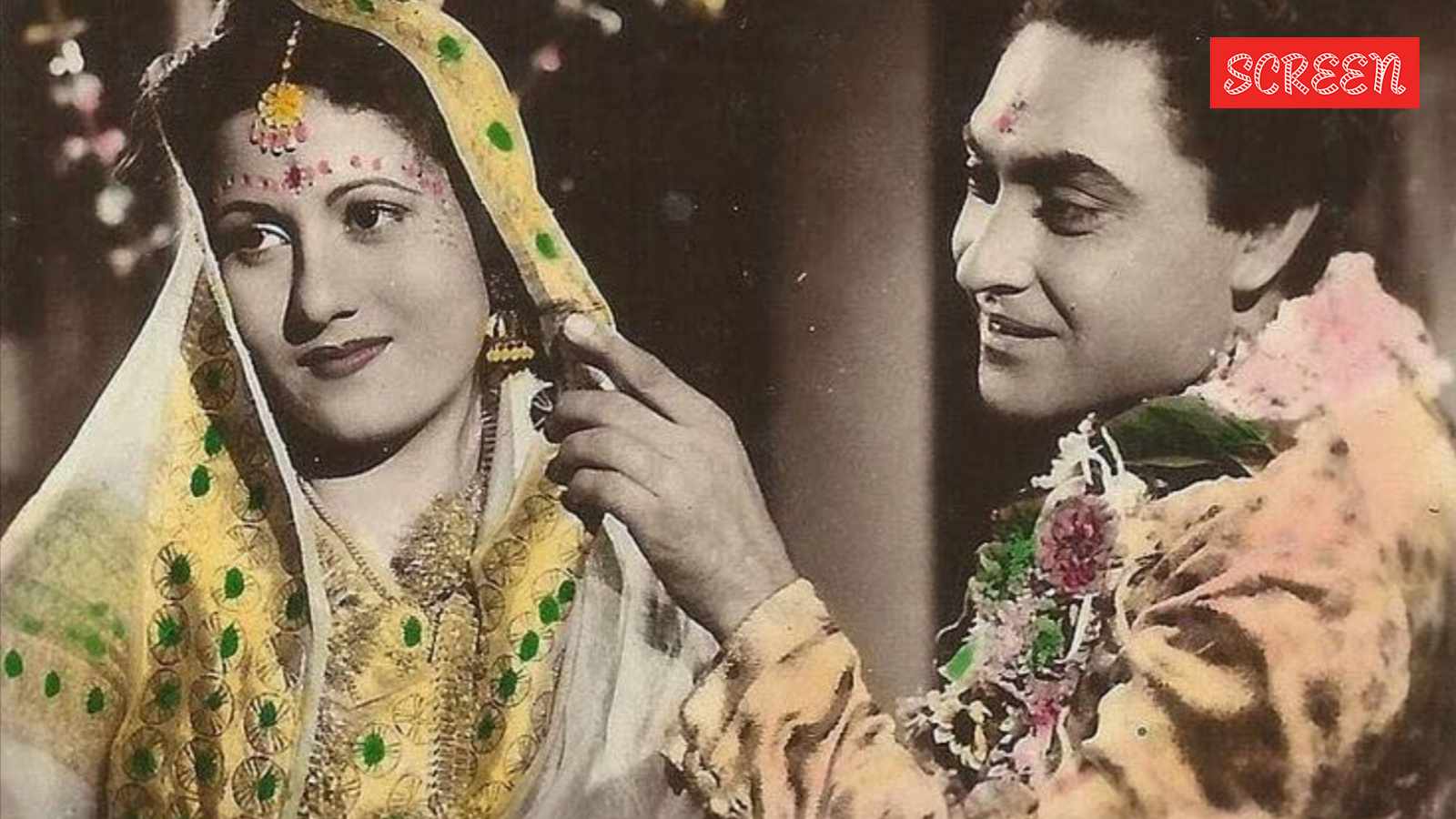
Censors cut Howrah Bridge scene where Madhubala’s scarf touched Ashok Kumar’s lips: Director’s son recalls CBFC calling it ‘very sexy’
📰 RSS Feed Image
📖 Table of Contents
🎬 Latest Development: Censors Cut Madhubala's "Very Sexy" Scarf Scene in Howrah Bridge: Director's Son Recalls
Madhubala's "Sexy" Scarf Scene Censored
📋 What You Need to Know
The golden era of Indian cinema, while often romanticized for its timeless classics and iconic stars, also grappled with stringent censorship rules that dictated what could and could not be shown on screen. A fascinating anecdote recently surfaced regarding the 1958 classic "Howrah Bridge," starring the legendary Madhubala and Ashok Kumar. The director's son recounted how a seemingly innocuous scene involving Madhubala's scarf touching Ashok Kumar's lips was deemed "very sexy" by the Censor Board, leading to its removal. This revelation offers a rare glimpse into the prudish sensibilities of the Central Board of Film Censors (CBFC) during that era, highlighting the meticulous scrutiny applied to even the subtlest expressions of intimacy. Such instances underscore the cultural climate that shaped filmmaking, often forcing creators to navigate a delicate balance between artistic vision and moral policing.
🎭 Complete Story
The director's son, recalling the making of "Howrah Bridge," shared a particularly revealing story about the film's encounter with the censors. During the review process, a scene featuring the ethereal Madhubala and the charismatic Ashok Kumar came under intense scrutiny. The specific moment involved Madhubala's scarf accidentally brushing against Ashok Kumar's lips, a subtle gesture that, to modern eyes, would hardly raise an eyebrow. However, the CBFC members of the time had a different interpretation. They deemed the scene "very sexy," an assessment that led to its immediate excision from the final cut. This incident speaks volumes about the prevailing moral conservatism of the late 1950s, where even indirect, non-explicit physical contact between a male and female lead was considered too suggestive for public consumption. The Censor Board's decision reflected a broader societal anxiety about public displays of affection and the perceived need to protect 'traditional' values through cinema. Filmmakers often had to anticipate such reactions, leading to creative workarounds or, as in this case, outright cuts that altered the original artistic intent. The story serves as a poignant reminder of the strictures under which cinematic legends like Madhubala and Ashok Kumar operated.
📊 Industry Analysis
The history of censorship in Indian cinema is long and complex, dating back to the British Raj and evolving significantly post-independence. In the 1950s and 60s, the CBFC operated with a particularly conservative mandate, often interpreting its role as a moral guardian of society. Physical intimacy, even implied, was largely taboo. A kiss on screen was a rarity, and even suggestive glances or accidental touches were met with resistance. This era saw filmmakers employing various cinematic techniques—like flowers brushing against each other, or birds flying away—to symbolize romantic intimacy, a direct consequence of the censor board's strictness. The "Howrah Bridge" incident is emblematic of this period, where the board's interpretation of "obscenity" or "indecency" was incredibly broad and often subjective. This approach stifled creative expression, pushing filmmakers to self-censor and adhere to a largely sanitized portrayal of relationships. While the CBFC's rules have somewhat relaxed over the decades, the legacy of this conservative past continues to influence filmmaking, with debates on censorship still regularly flaring up, especially concerning themes of sexuality, religion, and politics.
💬 Expert Commentary
"This anecdote about 'Howrah Bridge' perfectly illustrates the 'moral panic' that often gripped film censorship in mid-20th century India," explains Dr. Anjali Rao, a film historian specializing in Indian cinema. "The CBFC wasn't just looking for overt nudity or explicit content; they were deeply concerned with any suggestion that could be construed as 'indecent' or a threat to traditional family values. A scarf touching lips, which today seems innocuous, was then seen as highly suggestive, a precursor to more intimate acts. It highlights how the Censor Board's role was less about protecting minors and more about policing adult morality. This environment forced filmmakers to be incredibly innovative in portraying romance and emotion without directly showing it, indirectly contributing to the unique narrative styles that became characteristic of that era."
🔗 Related Context
The "Howrah Bridge" incident is one among many examples of strict censorship faced by classic Indian films. In the 1950s, even a prolonged gaze or a hand held too long could invite the censor's scissors. Films like "Awaara" (1951) and "Pyaasa" (1957) faced their share of cuts for various reasons, from social commentary to romantic portrayals. Later, in the 1970s, films like "Satyam Shivam Sundaram" faced immense backlash for Zeenat Aman's semi-nude scenes, despite the artistic intent. Even today, the debate continues, with recent examples like "Padmaavat" facing protests and demands for cuts based on perceived historical inaccuracies or cultural offense, rather than just explicit content. This consistent thread of external scrutiny and moral policing underscores the enduring tension between artistic liberty and societal expectations in Indian filmmaking, making the Madhubala anecdote a timeless reminder of this ongoing struggle.
🔍 Explore More Bollywood Content
Stay connected with the latest happenings in Hindi cinema:
Comprehensive coverage of the Indian film industry
Get the latest breaking news and updates from Hindi cinema
Breaking news from the world of Hindi cinema
💡 Visit Hindi Cinema News for more.
🎯 Key Takeaways
The revelation about the censored "very sexy" scarf scene in "Howrah Bridge" provides a captivating window into the stringent censorship norms that governed Indian cinema during its golden age. It highlights how even the most subtle gestures of intimacy were subject to intense scrutiny, reflecting a broader societal conservatism that profoundly influenced creative expression. This historical anecdote serves as a potent reminder of the challenges filmmakers faced, forcing them to find innovative ways to convey emotion and romance within restrictive boundaries. While the film industry has evolved considerably since then, with a greater embrace of diverse themes and expressions, the legacy of such censorship battles continues to shape discussions around artistic freedom and moral responsibility. The story of Madhubala’s scarf is not just a forgotten detail; it’s a significant piece of cinematic history that illuminates the enduring tension between art and control.
❓ Frequently Asked Questions
Q: When did this news break?
A: This story was reported today with comprehensive coverage as details emerge.
Q: What makes this significant?
A: This development represents an important moment in the Hindi film industry.
📢 Stay Updated
Don't miss breaking entertainment news! Follow us for real-time updates.
What's your take? Share your thoughts in the comments!
