
O'Romeo Row: Hussain Ustara's Family Demands Rs 2 Crore
🚨 Breaking Bollywood News Alert! Get the complete inside story. Updated January 14, 2026.
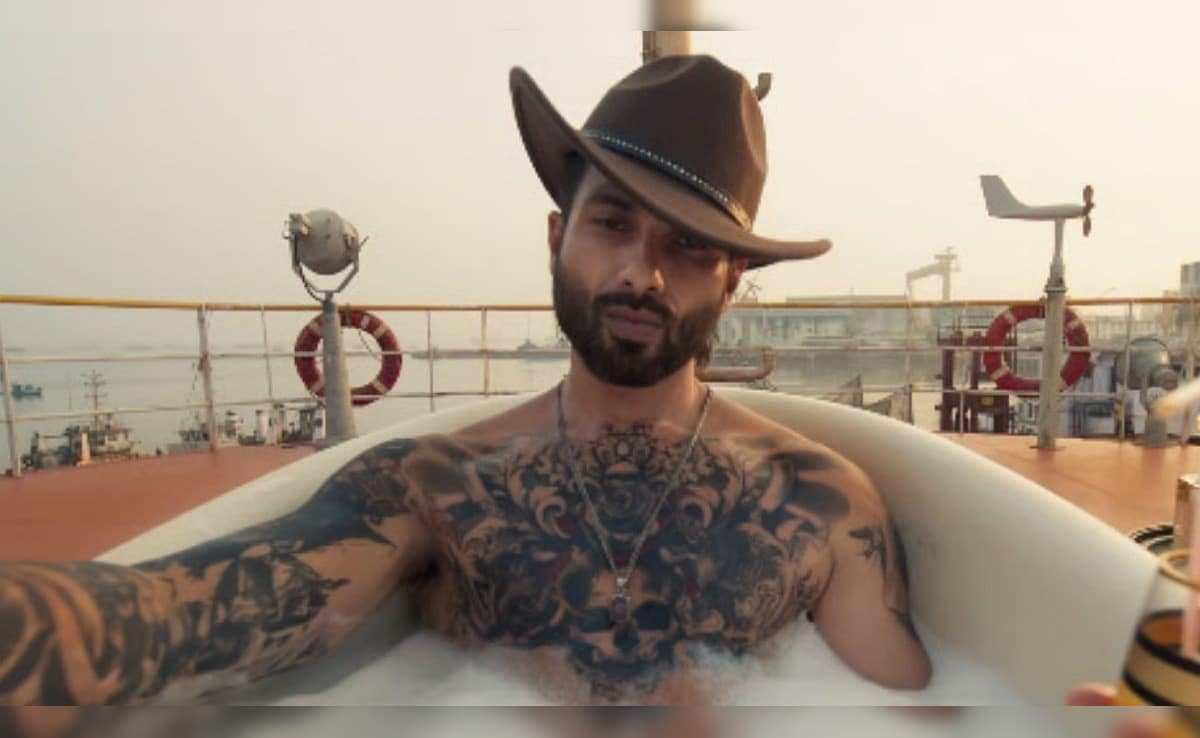
O'Romeo Row: Why Hussain Ustara's Family Is Demanding Rs 2 Crore From Makers Of Shahid Kapoor Film
📰 RSS Feed Image
📖 Table of Contents
🎬 Latest Development: O'Romeo Row: Why Hussain Ustara's Family Demands Rs 2 Crore From Makers of Shahid Kapoor Film, Alleges Unauthorised Biography
Ustara family demands compensation
📋 What You Need to Know
A significant legal and ethical controversy has erupted around the upcoming Shahid Kapoor-starrer "O'Romeo," with the family of the late Hussain Ustara claiming the film is based on his life without their consent. Sanober Shaikh, Ustara's daughter, has publicly demanded a staggering Rs 2 crore from the filmmakers, alleging that "O'Romeo" has appropriated her father's story and identity without permission or proper acknowledgement. This dispute casts a shadow over the film's production and reignites critical debates within the industry concerning the ethical boundaries of biographical storytelling. The O'Romeo row highlights the intricate balance filmmakers must strike between creative freedom and the moral obligation to secure consent, especially when depicting the lives of real individuals and their families, who hold proprietary rights over their personal narratives and legacies.
🎭 Complete Story
The core of the "O'Romeo" controversy lies in the claim made by Sanober Shaikh, daughter of the late Hussain Ustara, a figure reportedly known for his unique life story. Shaikh alleges that the makers of "O'Romeo" have developed a film directly inspired by her father's life without ever approaching the family for consent or rights. She claims that the film's premise, character arcs, and specific plot points bear striking resemblances to Ustara's personal journey, leading the family to believe it is an unauthorized biographical adaptation. The demand for Rs 2 crore is presented as compensation for the alleged unauthorized use of her father's identity and life story, as well as for the emotional distress caused by this perceived infringement. The family asserts that Ustara's life story is their intellectual property and that any cinematic portrayal requires their explicit permission and appropriate remuneration. They have reportedly sent legal notices to the film's producers and director, threatening further legal action, including injunctions to halt the film's release, if their demands are not met. The filmmakers, on their part, have either remained silent or issued vague statements suggesting that the film is a work of fiction "inspired by various real-life events," a common defense in such cases. However, the family argues that the inspiration is too direct and specific to be dismissed as mere fiction, potentially constituting a breach of privacy and an unauthorized commercial exploitation of their patriarch's legacy. This legal standoff raises questions about how much inspiration constitutes appropriation and what protections individuals and their families have against their lives being turned into cinematic narratives without their involvement.
📊 Industry Analysis
The "O'Romeo" dispute is a stark reminder of the persistent challenges faced by the film industry when adapting real-life stories. Biographical films, or biopics, have gained immense popularity, offering compelling narratives drawn from history, sports, or unique individual journeys. However, they also come with significant legal and ethical complexities. Filmmakers often walk a tightrope, balancing creative interpretation with factual accuracy and the crucial element of consent. In India, while there isn't a specific 'right to publicity' law that directly grants control over one's image or life story, legal precedents often lean on defamation, privacy, and copyright laws to address such disputes. The lack of clear, comprehensive guidelines often leads to reactive legal battles, causing delays, financial losses, and reputational damage. The "O'Romeo" case highlights the need for producers to be proactive in securing life rights from individuals or their legal heirs, even if the inspiration is indirect. Failing to do so can result in costly litigation, as families increasingly assert their rights over ancestral legacies. This incident also underscores the ethical imperative for sensitivity and respect when dealing with personal histories, particularly when the subject is deceased and cannot provide consent.
💬 Expert Commentary
"This case brings to the forefront the critical issue of 'life rights' in Indian cinema," states Adv. Rohan Mehta, a prominent entertainment lawyer. "While filmmakers often claim 'inspiration,' the line between inspiration and appropriation is thin, especially when the subject's life story is distinctly recognizable. The demand for Rs 2 crore indicates the family's strong belief in the direct correlation to Hussain Ustara's life. Legally, proving unauthorized use requires demonstrating substantial similarity and that the film's narrative exploits unique, non-public aspects of the individual's life. Filmmakers must understand that even if a story is in the public domain, the specific narrative and portrayal can still infringe on privacy rights or cause reputational damage to the family. It's always advisable to secure explicit consent and formal agreements to avoid such costly disputes and to maintain ethical standards in storytelling."
🔗 Related Context
The "O'Romeo" row echoes several past controversies in Indian cinema where families have challenged biographical portrayals. Films like "Dirty Picture," based loosely on Silk Smitha's life, faced initial resistance from her family. More recently, the biopic "PM Narendra Modi" and "Thackeray" also sparked debates and legal challenges regarding factual accuracy and consent. Another notable case was the legal battle surrounding the film "Azhar," a biopic on cricketer Mohammad Azharuddin, which faced a lawsuit from his ex-wife. These incidents underscore a recurring pattern: families feel protective of their loved ones' legacies and often perceive cinematic adaptations as either misrepresentations or unauthorized commercial exploitation. The increasing litigious nature of such disputes highlights the imperative for the industry to adopt more robust protocols for securing rights, engaging with families, and maintaining transparency throughout the filmmaking process when tackling real-life subjects.
🔍 Explore More Bollywood Content
Stay connected with the latest happenings in Hindi cinema:
Breaking news from the world of Hindi cinema
First look at movies coming soon to theaters
Comprehensive coverage of the Indian film industry
💡 Visit Hindi Cinema News for more.
🎯 Key Takeaways
The controversy surrounding "O'Romeo" and the substantial demand for Rs 2 crore from Hussain Ustara's family underscore the complex ethical and legal landscape of biographical filmmaking. Sanober Shaikh's allegations of unauthorized use of her father's life story serve as a crucial reminder for filmmakers to prioritize consent, transparency, and respectful engagement when drawing inspiration from real individuals. This dispute is not merely about financial compensation; it's about the right to one's narrative, the protection of a legacy, and the moral responsibilities that accompany creative freedom. As the legal battle unfolds, its outcome will undoubtedly set precedents for how biographical films are approached in India, hopefully paving the way for clearer guidelines and a more ethical framework that respects both artistic expression and the personal rights of individuals and their families. The industry must learn from such incidents to foster a culture of responsible storytelling.
❓ Frequently Asked Questions
Q: When did this news break?
A: This story was reported today with comprehensive coverage as details emerge.
Q: What makes this significant?
A: This development represents an important moment in the Hindi film industry.
📢 Stay Updated
Don't miss breaking entertainment news! Follow us for real-time updates.
What's your take? Share your thoughts in the comments!
