
Rani Mukerji: "Stop Using 'Women-Centric' Label"
🚨 Breaking Bollywood News Alert! Get the complete inside story. Updated January 27, 2026.
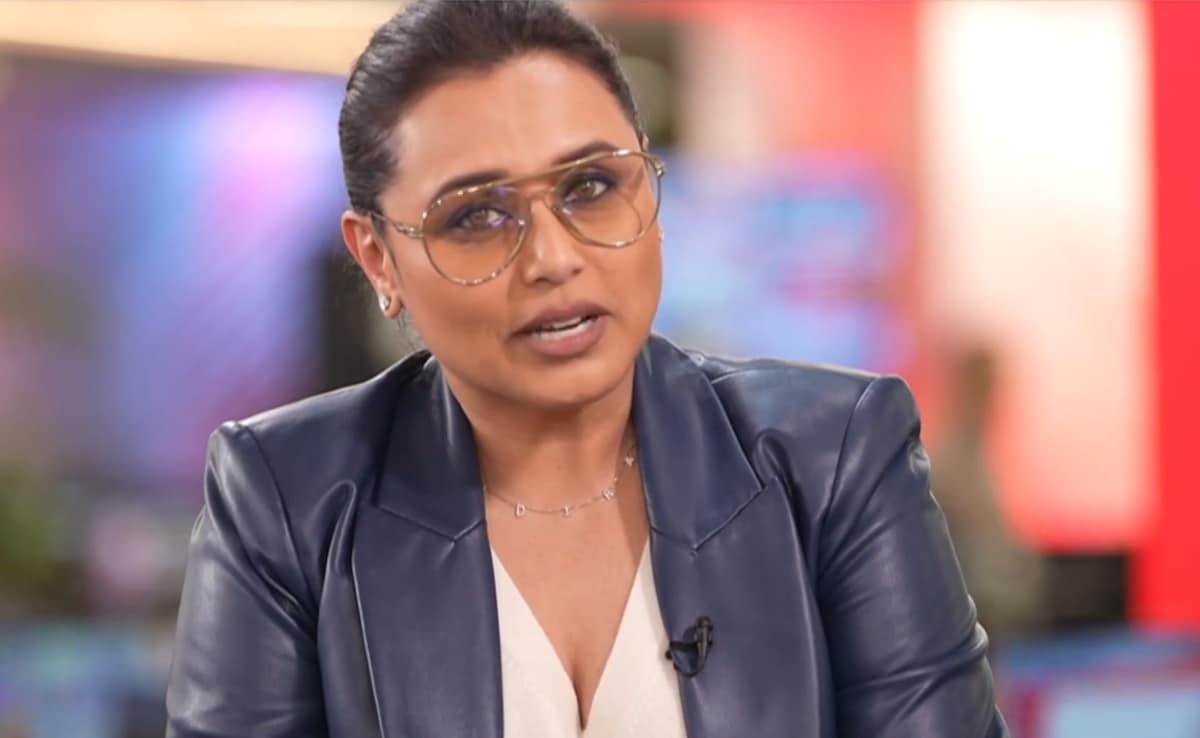
Rani Mukerji To NDTV On 'Women-Centric' Films: "It's A Label We Should Stop Using"
📰 RSS Feed Image
📖 Table of Contents
🎬 Latest Development: Rani Mukerji To NDTV On 'Women-Centric' Films: "It's A Label We Should Stop Using"
Rani on ending film labels.
📋 What You Need to Know
Bollywood veteran Rani Mukerji, known for her powerful performances and impactful roles, has once again sparked an important conversation within the film industry. In a recent interview with NDTV, the acclaimed actress shared her candid views on the prevalent term "women-centric films," advocating for its discontinuation. Mukerji believes that such labels inadvertently compartmentalize cinema, diminishing the universal appeal and artistic merit of stories that happen to feature women in leading roles. Her remarks come at a time when discussions around gender representation and narrative inclusivity in cinema are more crucial than ever. Furthermore, the actress also offered insights into her decision to reprise her role as the formidable Shivani Roy for the much-anticipated *Mardaani 3*, revealing what compelled her to step back into the shoes of the iconic police officer and continue her fight against crime.
🎭 Complete Story
Rani Mukerji's interview with NDTV provided a refreshing perspective on how films are categorized and perceived in the Indian cinema landscape. When addressing the term "women-centric films," Mukerji articulated her strong belief that this label has outlived its utility and, in fact, creates an unnecessary distinction. She argued that a good story is a good story, regardless of whether a man or a woman is at its helm. By categorizing films as "women-centric," she suggests, the industry inadvertently implies that male-led narratives are the default, and anything else is a niche or a deviation. This perspective aligns with a growing sentiment among filmmakers and actors who advocate for gender-neutral storytelling, where the strength of the plot and characters takes precedence over the gender of the protagonist. Mukerji further delved into her motivation for returning to the *Mardaani* franchise for its third installment. She revealed that the compelling script and the continued relevance of Shivani Roy's fight against systemic crime were primary drivers. The character, a no-nonsense police officer tackling heinous crimes, resonates deeply with audiences because of her unwavering dedication to justice and her indomitable spirit. Mukerji emphasized that the narrative for *Mardaani 3* presented a fresh challenge and an opportunity to further explore critical social issues, making her decision to embrace the role once again an easy one, given the potential for significant impact and storytelling.
📊 Industry Analysis
Rani Mukerji's call to abandon the "women-centric" label is a significant statement within the Bollywood industry, reflecting an evolving understanding of gender and narrative. For decades, films featuring female protagonists in leading, non-romantic roles were often segregated, sometimes even seen as a separate genre. While the term initially helped highlight the emergence of stronger female characters and narratives, many now argue it has become a limiting descriptor. Industry analysts suggest that moving beyond such labels encourages a more holistic appreciation of cinema, where stories are judged on their universal themes, artistic merit, and audience engagement, rather than on the gender of the lead. This shift aligns with global trends aiming for greater inclusivity and equality in filmmaking. Furthermore, the continued success and anticipation surrounding franchises like *Mardaani* underscore a clear audience demand for powerful female characters who drive the narrative. The box office performance of such films has proven that compelling stories with women at their core are not just "niche" but can achieve mainstream success, challenging traditional industry assumptions about commercial viability and audience preferences.
💬 Expert Commentary
"Rani Mukerji's statement is timely and crucial," observes film critic and author, Dr. Priya Sharma. "The 'women-centric' label, while perhaps well-intentioned in its genesis to highlight female narratives, has become a double-edged sword. It often implies a deviation from the norm, rather than an integral part of mainstream storytelling." She adds, "True equality in cinema will be achieved when we simply call them 'films,' irrespective of the lead's gender. Her decision to do *Mardaani 3* further exemplifies this – it's about a compelling character and a relevant story, not just about being a 'woman's film'." Rajat Kapoor, a seasoned film producer, echoes this sentiment: "When we produce a film, our focus is on the story's strength and its potential to resonate. Categorizing it by the gender of the lead can inadvertently limit its reach and perceived universality. Rani is articulate in pointing out that great cinema transcends such reductive labels."
🔗 Related Context
Rani Mukerji's stance on "women-centric" films resonates with similar discussions and shifts observed globally in entertainment industries. Actresses like Reese Witherspoon, Meryl Streep, and Priyanka Chopra, among others, have consistently advocated for stronger, more diverse female roles and narratives, often challenging the reductive labels and stereotypes that have historically plagued women in cinema. In Hollywood, there's a growing movement to simply refer to films as "character-driven" or "story-driven," moving away from gendered descriptions. The success of films like *Wonder Woman*, *Captain Marvel*, and *Black Panther* (with strong female supporting roles) has demonstrated that diverse narratives are not just socially relevant but also commercially potent. In Bollywood, the rise of powerful female-led films like *Kahaani*, *Gangubai Kathiawadi*, and *Raazi* has cemented the fact that audiences are eager for diverse stories, regardless of who leads them. Mukerji's comments add a powerful voice to this ongoing, vital conversation, pushing the industry further towards a more inclusive and label-free future.
🔍 Explore More Bollywood Content
Stay connected with the latest happenings in Hindi cinema:
Breaking news from the world of Hindi cinema
Get the latest breaking news and updates from Hindi cinema
Latest box office numbers and film business analysis
💡 Visit Hindi Cinema News for more.
🎯 Key Takeaways
Rani Mukerji's insightful commentary on the "women-centric" label marks a significant moment in the ongoing dialogue about gender representation and narrative evolution in Bollywood. Her call to move beyond such classifications is a powerful step towards fostering a more inclusive and equitable film industry where stories are celebrated for their intrinsic merit, not for the gender of their protagonists. By advocating for a cinema that transcends reductive labels, Mukerji reinforces the idea that compelling narratives, irrespective of who leads them, are universally appealing and impactful. Her decision to return for *Mardaani 3* further underscores her commitment to portraying strong, relevant characters who inspire and provoke thought. As the industry continues to evolve, voices like Rani's are crucial in shaping a future where good cinema is simply that – good cinema, free from unnecessary categorizations and limitations.
❓ Frequently Asked Questions
Q: When did this news break?
A: This story was reported today with comprehensive coverage as details emerge.
Q: What makes this significant?
A: This development represents an important moment in the Hindi film industry.
📢 Stay Updated
Don't miss breaking entertainment news! Follow us for real-time updates.
What's your take? Share your thoughts in the comments!
