
Ranveer Singh Faces Bengaluru Court Over Kantara Mimicry
🚨 Breaking Bollywood News Alert! Get the complete inside story. Updated January 28, 2026.
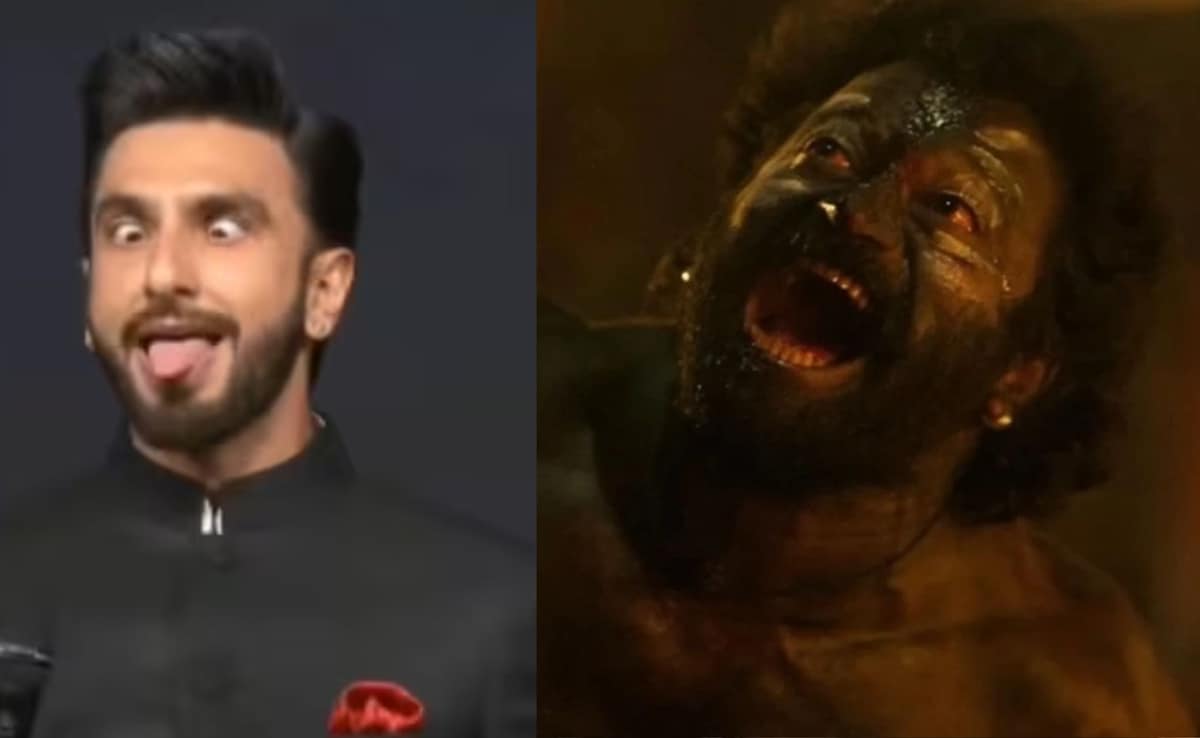
Case Against Dhurandhar Star Ranveer Singh In Bengaluru For Mimicking Kantara Daiva Scene
📰 RSS Feed Image
📖 Table of Contents
🎬 Latest Development: Bengaluru Court Takes Up Case Against Ranveer Singh for Alleged Kantara Daiva Scene Mimicry
Artistic expression meets cultural reverence.
📋 What You Need to Know
The intersection of artistic freedom and cultural sensitivity has once again become a focal point in the entertainment industry, with Bollywood star Ranveer Singh finding himself embroiled in a legal matter. Reports indicate that a case has been filed against the actor in Bengaluru, alleging that he mimicked a sacred 'Daiva' scene from the critically acclaimed Kannada film 'Kantara'. This development has sparked considerable debate, drawing attention to the delicate balance artists must maintain when portraying or referencing cultural and religious practices. The legal proceedings have reportedly been referred to the 1st Additional Chief Metropolitan Magistrate (CMM) Court in Bengaluru, marking a significant step in what promises to be a closely watched legal and cultural discussion. This incident underscores the increasing scrutiny on public figures and their creative works in an era of heightened cultural awareness.
🎭 Complete Story
The controversy stems from an alleged act by Ranveer Singh, where he is accused of mimicking a 'Daiva' (spirit) possession scene from the blockbuster film 'Kantara'. The 'Daiva Kola' ritual, as depicted in 'Kantara', is a deeply revered and sacred tradition in parts of Karnataka, particularly among the Tulu-speaking communities. For many, it is not merely a performance but a profound spiritual experience, embodying the presence of deities. The complaint against Singh reportedly argues that his actions, if proven, could be seen as disrespectful or mocking towards this sacred practice, potentially hurting religious sentiments. The referral of this matter to the 1st Additional Chief Metropolitan Magistrate (CMM) Court in Bengaluru elevates the issue from social media discussions to a formal legal process. While specific details of the complaint and the exact nature of the alleged mimicry remain under wraps, the legal referral confirms the seriousness with which the complaint is being pursued. This situation highlights a broader challenge faced by public figures and content creators: understanding and respecting the cultural nuances and religious sensitivities of diverse communities, especially when their work reaches a global audience. The court's involvement suggests that the legal framework is being tested to determine the boundaries of artistic interpretation versus potential cultural offense. This case could set a precedent for how artistic portrayals of religious or cultural practices are viewed and protected under law, not just in India but potentially sparking similar discussions internationally. The outcome will be keenly observed by both the entertainment fraternity and cultural custodians.
📊 Industry Analysis
The entertainment industry, particularly in a culturally rich and diverse nation like India, constantly navigates the complex terrain of creative expression and cultural reverence. The 'Kantara' controversy involving Ranveer Singh is a potent example of this ongoing challenge. Films and performances often draw inspiration from real-life traditions, folklore, and religious practices. However, when these elements are portrayed, adapted, or referenced, there's an inherent risk of misinterpretation or perceived disrespect. The industry grapples with balancing the need for artistic freedom – the ability to create without undue censorship or fear – against the responsibility to uphold cultural sanctity and avoid causing offense. This incident could lead to a more stringent review process for content that touches upon sensitive cultural or religious themes. Production houses and individual artists might become more cautious, potentially investing in cultural consultancy or expert advice to ensure authenticity and respect in their portrayals. While this could foster more informed and sensitive content creation, there's also a concern that it might inadvertently lead to self-censorship, stifling creativity and limiting the scope of storytelling. The digital age further amplifies these issues; an act performed in one context can quickly spread globally, inviting diverse interpretations and reactions. The industry's response to this case will likely influence future guidelines and practices concerning the depiction of cultural heritage in mainstream media.
💬 Expert Commentary
"This case is a critical test of how legal systems interpret artistic intent versus public perception of offense," states cultural critic Dr. Ananya Sharma. "On one hand, artists like Ranveer Singh often engage in mimicry or satire as a form of performance or homage. On the other, the 'Daiva Kola' ritual holds immense spiritual significance for a community. The question for the court will be whether the alleged act crossed the line from artistic interpretation into deliberate disrespect or mockery, causing genuine harm to religious sentiments. The intent behind the action will be crucial, but equally important will be the impact it had on the community in question. It highlights the need for artists to be more deeply informed about the cultural contexts they engage with. A superficial understanding can inadvertently lead to significant controversies. This isn't just about legal precedent; it's about fostering a more empathetic and culturally literate entertainment industry. The outcome will undoubtedly influence how future creative works handle sensitive cultural motifs, urging a balance between creative liberty and cultural responsibility."
🔗 Related Context
The 'Kantara' film itself, directed by and starring Rishab Shetty, became a cultural phenomenon, not only for its gripping narrative and visual spectacle but also for its authentic portrayal of the 'Daiva Kola' tradition. The film brought this unique cultural practice to a national and international audience, sparking renewed interest and pride among many, but also raising questions about its commercialization and accuracy. Prior to this, similar debates have emerged in Indian cinema regarding the depiction of historical figures, religious deities, or specific community practices. For instance, films touching upon caste dynamics or religious festivals have often faced scrutiny and legal challenges from various groups asserting their cultural or religious rights. These instances underscore a continuous tension between artistic license and societal expectations, particularly in a diverse democracy where cultural and religious identities are deeply intertwined with personal and communal sentiments. The Ranveer Singh case is another chapter in this ongoing dialogue, reminding us that art, while powerful, also carries a profound responsibility.
🔍 Explore More Bollywood Content
Stay connected with the latest happenings in Hindi cinema:
Latest box office numbers and film business analysis
Comprehensive coverage of the Indian film industry
Get the latest breaking news and updates from Hindi cinema
💡 Visit Hindi Cinema News for more.
🎯 Key Takeaways
❓ Frequently Asked Questions
Q: When did this news break?
A: This story was reported today with comprehensive coverage as details emerge.
Q: What makes this significant?
A: This development represents an important moment in the Hindi film industry.
📢 Stay Updated
Don't miss breaking entertainment news! Follow us for real-time updates.
What's your take? Share your thoughts in the comments!
