
RGV Praises Geetu Mohandas' 'Toxic': A Gendered Take?
🚨 Breaking Bollywood News Alert! Get the complete inside story. Updated January 8, 2026.
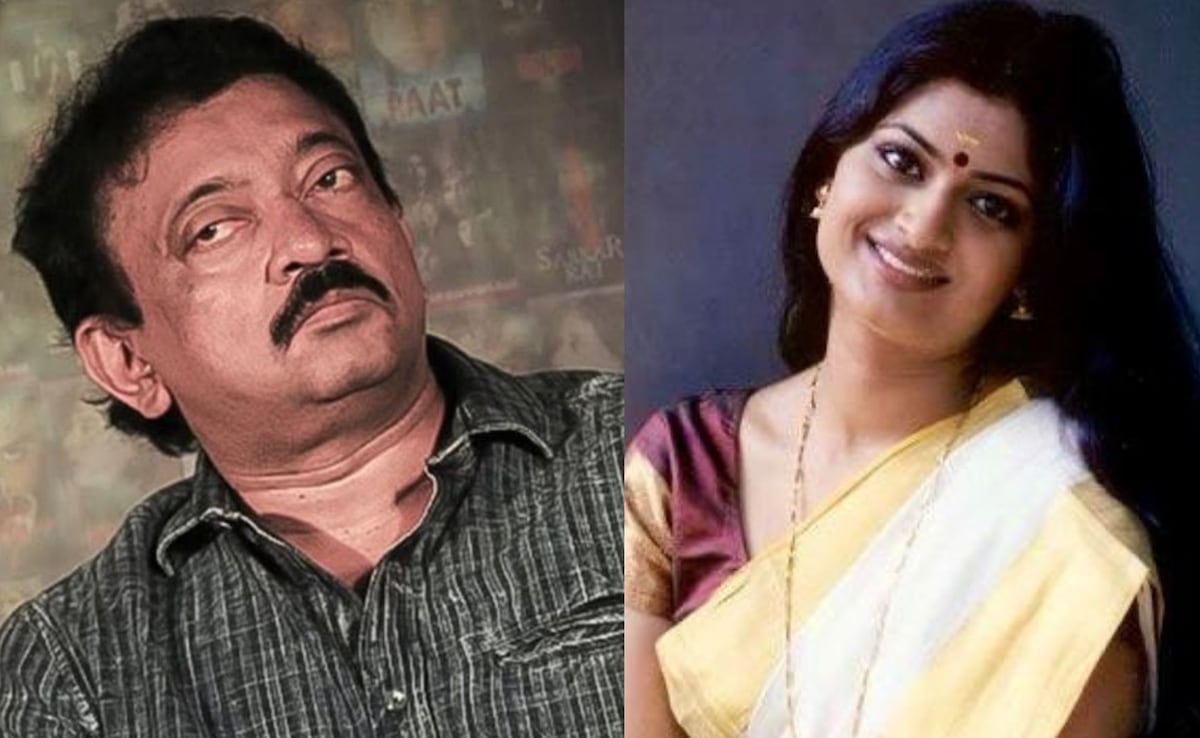
Ram Gopal Varma Reviews Toxic Teaser: 'No Male Director Is Man Enough To Be Compared To Geetu Mohandas'
📰 RSS Feed Image
📖 Table of Contents
🎬 Latest Development: Ram Gopal Varma's Explosive 'Toxic' Teaser Review: Why His Praise for Geetu Mohandas Sparks Debate
RGV's Gendered Acknowledgment.
📋 What You Need to Know
Ram Gopal Varma, an iconic yet often controversial figure in Indian cinema, has once again ignited discussion with his recent review of the 'Toxic' teaser. Known for his unfiltered opinions and provocative statements, RGV took to social media to express his astonishment at the film's direction, particularly highlighting the fact that it was helmed by a woman, Geetu Mohandas. His exact words, "No male director is man enough to be compared to Geetu Mohandas," while ostensibly a compliment, immediately sparked a wider debate. This statement, dripping with RGV's signature blend of admiration and perhaps unintentional gender bias, forces us to examine not just the quality of the 'Toxic' teaser, but also the persistent stereotypes and evolving landscape for women in the Indian film industry.
🎭 Complete Story
RGV's review of the 'Toxic' teaser wasn't merely about the film's visual appeal or narrative promise; it was deeply entangled with his perception of its director, Geetu Mohandas. The very phrasing, "No male director is man enough," suggests an underlying surprise, almost disbelief, that such a powerful and impactful teaser could emerge from a female filmmaker. While intended as high praise, it inadvertently highlights the prevailing, albeit often subconscious, gendered expectations within the industry. It implies that the quality and intensity displayed in 'Toxic' were so exceptional that they transcended what RGV might typically associate with female direction. The 'Toxic' teaser itself is a testament to Mohandas's vision, showcasing a gritty, compelling, and visually striking narrative that challenges conventions. RGV's astonishment, therefore, can be interpreted in two ways: genuine awe at her talent, or a reflection of the ingrained biases that still categorize certain styles or genres as predominantly 'male' domains. This "backhanded compliment" aspect of his statement is what truly fuels the debate, pushing conversations about how female directors are perceived and the metrics by which their work is judged in an industry historically dominated by men.
📊 Industry Analysis
Ram Gopal Varma's comments, whether intentional or not, throw a spotlight on the historical and ongoing gender disparity within the Indian film industry, particularly in directorial roles. For decades, filmmaking has largely been considered a male bastion, with women directors often relegated to specific genres or facing significant hurdles in securing funding and recognition for projects outside these perceived 'female' narratives. While there has been a slow but steady increase in the number of women behind the camera, statistics still show a significant imbalance. According to a recent report by Ormax Media and the Producers Guild of India, only a small percentage of films released annually are directed by women. This disparity is not just about numbers; it's about the perception and valuation of their work. Statements like RGV's, even when positive, can inadvertently reinforce the idea that a woman achieving excellence in a male-dominated field is an anomaly rather than an expectation. However, the rise of powerful voices like Geetu Mohandas, Zoya Akhtar, Meghna Gulzar, and many others, is actively challenging this narrative, proving that talent knows no gender and that diverse perspectives enrich cinematic storytelling immensely.
💬 Expert Commentary
"RGV's statement, while seemingly a compliment, is a classic example of what's often termed a 'backhanded compliment' or 'benevolent sexism'," explains Dr. Priya Singh, a gender studies professor specializing in media representation. "It subtly reinforces the notion that women directors are an exception rather than the norm, and that their success is surprising because of their gender, not simply because of their talent. While he might genuinely be impressed, the phrasing suggests an underlying astonishment that a woman could achieve such a level of intensity or 'manliness' in her craft. This perpetuates stereotypes that limit the perceived scope of female directors and the types of stories they are expected to tell. True equality in praise would be to acknowledge her skill without any reference or comparison to her gender or the perceived capabilities of male directors." Film critic Meena Desai adds, "The 'Toxic' teaser itself is a powerful piece of work, demonstrating Geetu Mohandas's strong directorial vision. The focus should be on her craft, her storytelling, and the impact of the teaser, not on how her gender might defy someone's expectations. Her work speaks for itself, and it's time the industry moved past gendered lenses in evaluating talent."
🔗 Related Context
The debate surrounding RGV's comments is not an isolated incident but rather a recurring theme in the broader conversation about gender and recognition in cinema. We've seen similar discussions arise when female directors are praised for breaking perceived 'barriers' or when their work is specifically highlighted as 'female-centric' even when male directors tackle similar themes without such labels. This extends beyond India to global cinema, where the struggle for equal representation and unbiased recognition for women in film continues. The #MeToo movement and subsequent calls for greater diversity and inclusion have brought these issues to the forefront, pushing for a re-evaluation of how talent is scouted, nurtured, and lauded. Geetu Mohandas's work on 'Toxic' stands as a powerful testament to the fact that artistic vision and directorial prowess transcend gender, and the industry is slowly but surely moving towards a future where merit alone dictates recognition.
🔍 Explore More Bollywood Content
Stay connected with the latest happenings in Hindi cinema:
Inside stories and exclusive Bollywood entertainment news
Comprehensive coverage of the Indian film industry
Latest box office numbers and film business analysis
💡 Visit Hindi Cinema News for more.
🎯 Key Takeaways
Ram Gopal Varma's review of the 'Toxic' teaser, though perhaps intended as high praise for Geetu Mohandas, has inadvertently opened a crucial dialogue about gender perceptions in the Indian film industry. While RGV's astonishment might stem from genuine admiration, his choice of words underscores the subtle biases that still exist when evaluating the work of female directors. Geetu Mohandas, with her undeniable talent and the compelling vision displayed in 'Toxic,' is a powerful example of how women are not just participating in, but profoundly shaping, the future of cinema. It's a reminder that true progress lies in acknowledging talent without the need for gendered comparisons, celebrating filmmakers for their artistry, irrespective of who they are. The 'Toxic' teaser, and the conversation it ignited, serve as a potent symbol of the ongoing evolution in how we view and value creative genius in Bollywood.
❓ Frequently Asked Questions
Q: When did this news break?
A: This story was reported today with comprehensive coverage as details emerge.
Q: What makes this significant?
A: This development represents an important moment in the Hindi film industry.
📢 Stay Updated
Don't miss breaking entertainment news! Follow us for real-time updates.
What's your take? Share your thoughts in the comments!
