
Vishal Bhardwaj on 'O'Romeo's Gangster Portrayal
🚨 Breaking Bollywood News Alert! Get the complete inside story. Updated January 21, 2026.
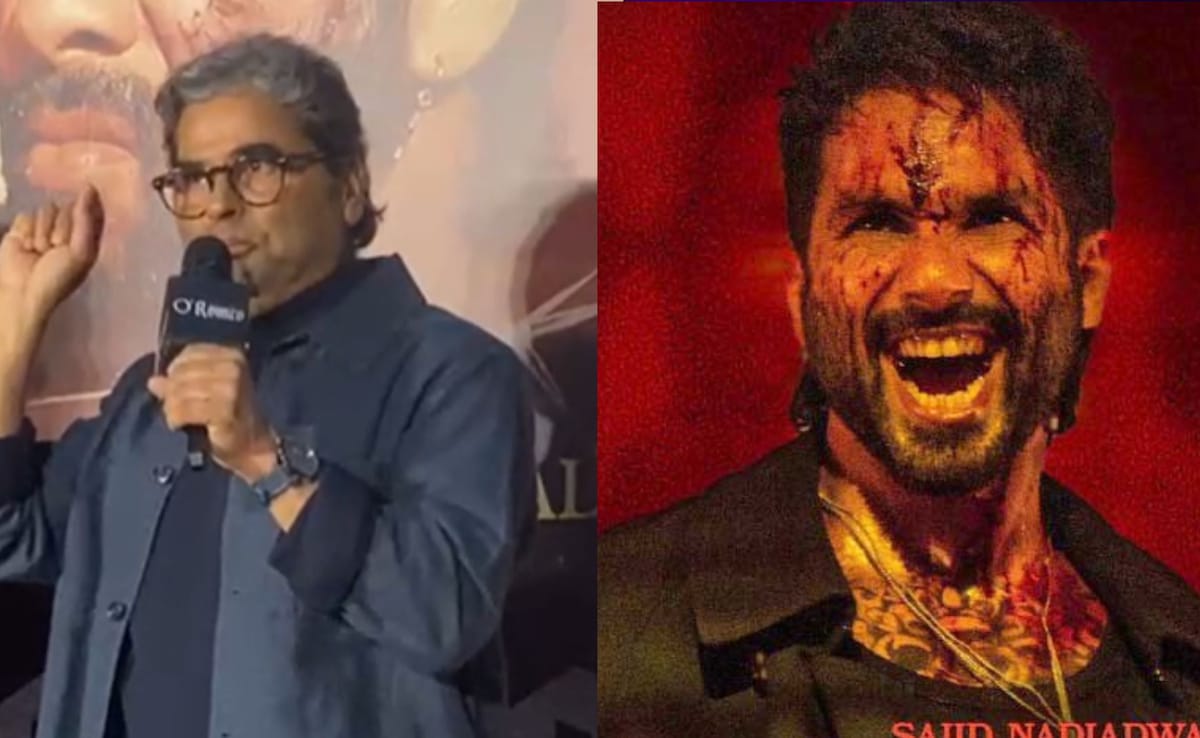
O'Romeo Director Vishal Bhardwaj Reveals Why He Took No Permission From Gangster Hussain Ustara's Family
📰 RSS Feed Image
📖 Table of Contents
🎬 Latest Development: O'Romeo Director Vishal Bhardwaj Reveals Why He Took No Permission From Gangster Hussain Ustara's Family
Bhardwaj adapts, no family permission.
📋 What You Need to Know
Vishal Bhardwaj, a director celebrated for his distinctive cinematic vision and ability to adapt complex narratives, is once again generating buzz with his upcoming film, ‘O’Romeo’. The film, reportedly based on the life of gangster Hussain Ustara, has sparked discussions, particularly regarding Bhardwaj's decision not to seek permission from Ustara's family for the portrayal. In a landscape where biopics often face scrutiny over accuracy and consent, Bhardwaj has clarified his stance, stating that the project is an adaptation of a previously published work. This explanation sheds light on the creative and legal considerations that filmmakers navigate when bringing real-life, often controversial, stories to the big screen without direct family involvement.
🎭 Complete Story
Vishal Bhardwaj, the acclaimed director behind cinematic gems like 'Maqbool' and 'Haider', is gearing up for the release of his new film, 'O'Romeo'. The project, which has reportedly drawn inspiration from the life of the notorious gangster Hussain Ustara, has raised questions about the ethics and legalities of depicting real-life figures without explicit consent from their families. During a recent interaction, Bhardwaj addressed these concerns head-on, clarifying his position on why he chose not to seek permission from Hussain Ustara's family. He unequivocally stated that 'O'Romeo' is not a direct biography sanctioned by the family, but rather an adaptation of a *published work*. This distinction is crucial in the realm of creative rights and intellectual property. Bhardwaj emphasized that once a story or character is extensively documented and published in the public domain through books, articles, or other media, it often falls under the purview of creative interpretation and adaptation, rather than requiring direct family consent for a fictionalized or dramatized portrayal. He believes that his artistic liberty stems from the source material being publicly accessible and thoroughly researched. This approach allows filmmakers to explore complex narratives and controversial figures without being constrained by the potential objections or demands of family members who might have a differing perspective on the historical record. The director's statement underscores the fine line between biographical accuracy, artistic interpretation, and the legal framework surrounding the depiction of real-life individuals in cinema.
📊 Industry Analysis
The debate surrounding biopics and the need for family permission is a recurring theme in the Indian film industry. While many filmmakers opt to secure rights and consent to avoid legal battles and ensure accuracy, others, like Vishal Bhardwaj, leverage the existence of published works to exercise creative freedom. This approach is often seen in adaptations of true crime stories or historical events where the subjects are deceased or the events are well-documented. The legal precedent often supports the adaptation of publicly available information, provided the portrayal does not defame or distort facts maliciously. However, the ethical considerations remain a grey area. Families often feel a proprietary right over their deceased loved ones' narratives, especially when the portrayal touches upon sensitive or controversial aspects. Filmmakers, on the other hand, argue for artistic license and the right to interpret historical or public figures. This tension highlights the evolving nature of storytelling in cinema, where creators constantly balance narrative integrity, public interest, and the potential for legal or emotional backlash from affected parties. Bhardwaj’s clarification, by emphasizing a "published work" as his source, strategically positions his film within a legally safer and creatively freer space.
💬 Expert Commentary
"Vishal Bhardwaj's approach highlights a common legal and creative strategy in filmmaking," states Advocate Meera Kapoor, a leading entertainment lawyer. "When a subject's life has been extensively documented and published, the material enters the public domain for creative adaptation, albeit with caveats against defamation. The distinction between a 'biopic' requiring family consent and an 'adaptation of a published work' is significant in copyright law, granting filmmakers broader artistic liberty without direct family permission." Film critic and cultural commentator, Mr. Alok Singh, adds, "Bhardwaj is known for his unflinching gaze into the darker aspects of human nature and society. Relying on published accounts allows him to maintain an objective distance, interpreting the material through his unique lens rather than being bound by the potentially biased perspectives of family members. This can lead to a more compelling and critically honest cinematic experience, even if it might stir controversy among the subject's relatives."
🔗 Related Context
The discussion around 'O'Romeo' and its source material brings to mind other notable instances in Bollywood where films have navigated similar ethical and legal minefields. Mani Ratnam's 'Raavan' (2010) drew inspiration from the bandit Veerappan, though it was a highly fictionalized narrative. More recently, films like 'Sanju' (2018), a biopic on Sanjay Dutt, famously involved the subject's direct participation and consent, ensuring a smoother production process but also raising questions about objectivity. Conversely, biopics like 'The Dirty Picture' (2011), loosely based on the life of Silk Smitha, faced initial murmurs of disapproval from those claiming to be her relatives, despite being a fictionalized account. These examples underscore the constant tightrope walk filmmakers undertake when portraying real lives. Bhardwaj's choice to rely on a published work for 'O'Romeo' aligns with a tradition of adaptations that seek to interpret history or public figures without necessarily seeking direct family blessing, allowing for a certain degree of creative freedom and interpretation.
🔍 Explore More Bollywood Content
Stay connected with the latest happenings in Hindi cinema:
Inside stories and exclusive Bollywood entertainment news
Latest box office numbers and film business analysis
Get the latest breaking news and updates from Hindi cinema
💡 Visit Hindi Cinema News for more.
🎯 Key Takeaways
Vishal Bhardwaj's explanation regarding his decision not to seek permission from Hussain Ustara's family for 'O'Romeo' highlights a critical aspect of creative freedom in cinema. By clarifying that the film is an adaptation of a published work, Bhardwaj positions his project within a legally sound framework that allows for artistic interpretation without direct familial consent. This approach, while potentially controversial for some, underscores the evolving dynamics of storytelling in the entertainment industry, where filmmakers balance narrative integrity, historical accuracy, and the delicate sensibilities of real-life connections. As 'O'Romeo' prepares for its release, the conversation surrounding its origins will undoubtedly continue, further enriching the discourse on biopics, creative rights, and the ethical responsibilities of bringing complex real-life narratives to the cinematic canvas.
❓ Frequently Asked Questions
Q: When did this news break?
A: This story was reported today with comprehensive coverage as details emerge.
Q: What makes this significant?
A: This development represents an important moment in the Hindi film industry.
📢 Stay Updated
Don't miss breaking entertainment news! Follow us for real-time updates.
What's your take? Share your thoughts in the comments!
