
Anurag Kashyap Slams 'The Kerala Story 2' as "Propaganda"
🚨 Breaking Bollywood News Alert! Get the complete inside story. Updated February 22, 2026.
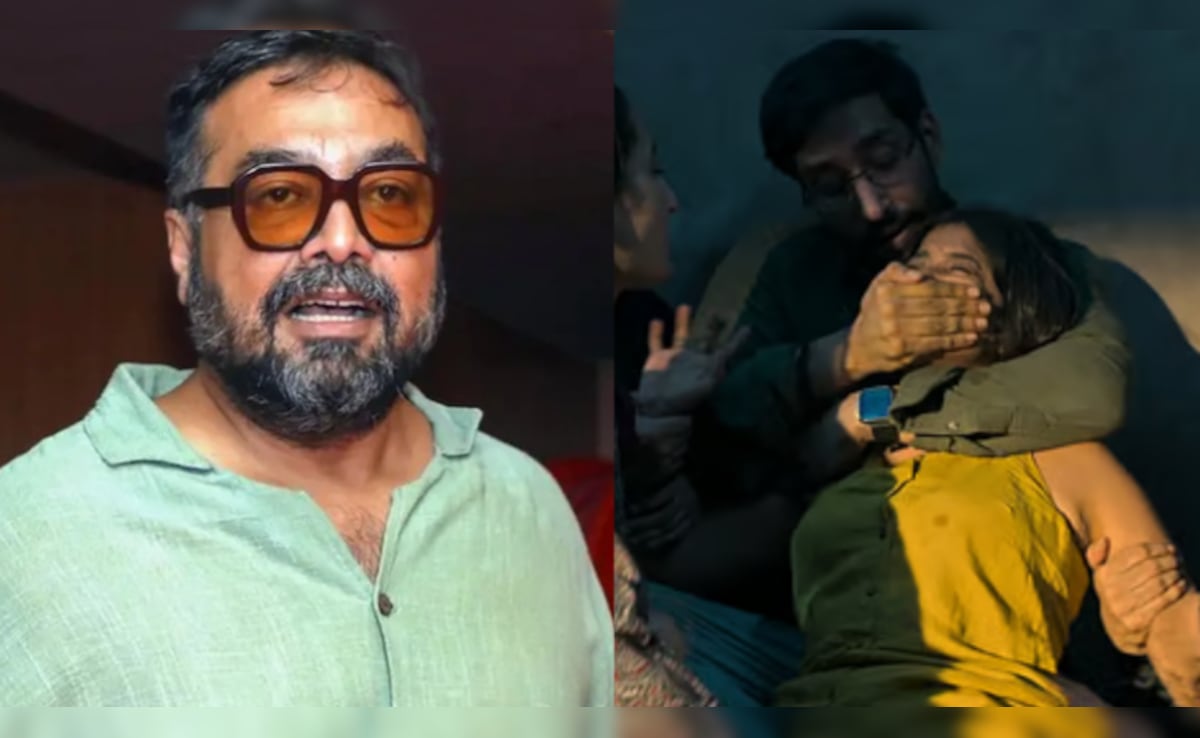
Anurag Kashyap Calls The Kerala Story 2 "A Propaganda Movie": 'The Maker Is Greedy, Trying To Spread Hatred'
📰 RSS Feed Image
📖 Table of Contents
🎬 Latest Development: Anurag Kashyap Condemns 'The Kerala Story 2' as "Greedy Propaganda," Calls Out Makers for Spreading Hatred
Kashyap on 'Kerala Story 2'
📋 What You Need to Know
The Indian film industry has often been a battleground for ideological and political narratives, with certain films sparking intense debate and controversy. 'The Kerala Story,' released in 2023, was one such film, igniting discussions across the nation. Now, with talks of 'The Kerala Story 2' emerging, acclaimed filmmaker Anurag Kashyap has voiced strong disapproval, labeling it a "propaganda movie" driven by greed and an intent to spread hatred. Kashyap's blunt critique adds a significant voice to the ongoing conversation surrounding films that are perceived to blur the lines between artistic expression and political messaging. His comments highlight a deep concern within a section of the industry regarding the potential misuse of cinema for divisive purposes, especially following the initial film's contentious reception and its impact on public discourse.
🎭 Complete Story
Anurag Kashyap, known for his gritty, realistic filmmaking and outspoken views, has unequivocally called 'The Kerala Story 2' "a propaganda movie." His strong condemnation includes the assertion that "the maker is greedy, trying to spread hatred." This critique goes beyond artistic merit, delving into the ethical implications of filmmaking. Kashyap's statement suggests a belief that the film's primary intent is not storytelling or artistic exploration, but rather to promote a specific agenda, potentially divisive, for commercial gain. This perspective is particularly potent given the controversy surrounding the first installment of 'The Kerala Story,' which claimed to depict the radicalization of women in Kerala. The original film faced accusations of misrepresentation and Islamophobia, leading to bans in some states and widespread debate over its factual accuracy and intent. Kerala Chief Minister Pinarayi Vijayan had previously criticized the film on X (formerly Twitter), labeling it as "propaganda" aimed at tarnishing the state's image. Kashyap’s remarks echo these sentiments, reinforcing the idea that such cinematic ventures are not merely entertainment but powerful tools that can shape public opinion and contribute to societal divisions. His criticism points to a deeper concern about the commercialization of sensitive social narratives, where profit motives might override journalistic integrity or ethical storytelling, leading to potentially harmful societal repercussions.
📊 Industry Analysis
The Indian film industry has a long history of grappling with censorship, political influence, and the portrayal of sensitive social issues. In recent years, there has been a noticeable increase in films that are perceived to align with specific political ideologies, often referred to as "propaganda films" by their critics. This trend raises fundamental questions about artistic freedom, journalistic responsibility, and the role of cinema in a diverse democracy. While filmmakers have the right to express their views, the line between art and propaganda becomes blurred when narratives are allegedly distorted, facts are manipulated, or specific communities are targeted to incite prejudice. The success of films like 'The Kerala Story' at the box office, despite widespread criticism, might incentivize producers to create similar content, leading to a cycle where commercial viability trumps ethical considerations. This creates a challenging environment for filmmakers who prioritize nuanced storytelling and objective perspectives, as they often find themselves in direct opposition to narratives that play into existing societal fault lines, potentially exacerbating social tensions.
💬 Expert Commentary
"Anurag Kashyap's comments reflect a growing concern among a section of filmmakers and critics regarding the weaponization of cinema," states Dr. Priya Sharma, a professor of media studies. "When a film is explicitly designed to push a political agenda, especially one that demonizes a community or spreads misinformation, it ceases to be art and becomes a tool of propaganda. The commercial success of such films, unfortunately, encourages more such ventures, creating a dangerous precedent." Advocate Rajiv Malhotra, a legal expert on freedom of speech, adds, "While artistic expression is protected, there's a fine line when films are accused of inciting hatred or promoting communal disharmony. The debate around 'The Kerala Story' series highlights the need for a more robust public discourse on media literacy and critical viewing, alongside a greater ethical responsibility from filmmakers themselves. The issue isn't just about what is shown, but the intent behind showing it and its potential societal impact, especially in a sensitive social climate."
🔗 Related Context
The controversy surrounding 'The Kerala Story' and Kashyap's comments on its potential sequel fit into a broader global discussion about "infotainment" and politically charged narratives in cinema. From documentaries with clear political leanings to fictionalized accounts that draw heavily from real-world events, the power of film to shape public opinion is undeniable. In India, this debate is particularly acute, given the country's diverse demographics and complex socio-political landscape. Other films have also faced similar accusations of being propaganda, leading to boycotts, legal challenges, and intense social media debates. The phenomenon also raises questions about the role of film certification bodies and their ability to regulate content that may be deemed divisive or misleading. The ongoing dialogue underscores the significant influence cinema wields and the ethical responsibilities that come with creating content that can profoundly impact societal harmony and political discourse.
🔍 Explore More Bollywood Content
Stay connected with the latest happenings in Hindi cinema:
Exclusive stories about your favorite Bollywood stars
Latest box office numbers and film business analysis
Comprehensive coverage of the Indian film industry
💡 Visit Hindi Cinema News for more.
🎯 Key Takeaways
Anurag Kashyap's strong condemnation of 'The Kerala Story 2' as "greedy propaganda" underscores a critical debate within the Indian film industry. His concerns, echoed by the Kerala Chief Minister's earlier remarks, highlight the ethical dilemmas faced when films are perceived to prioritize political agendas and commercial success over responsible storytelling. As the industry continues to navigate the complex interplay of art, politics, and commerce, the call for ethical filmmaking and critical media literacy becomes ever more urgent. Kashyap's voice serves as a powerful reminder that cinema, while a medium for expression, also carries immense responsibility, especially in shaping public discourse and fostering societal harmony. The discussion around 'The Kerala Story 2' will undoubtedly continue to fuel important conversations about the future direction and moral compass of Indian cinema, urging creators to consider the broader societal implications of their work.
❓ Frequently Asked Questions
Q: When did this news break?
A: This story was reported today with comprehensive coverage as details emerge.
Q: What makes this significant?
A: This development represents an important moment in the Hindi film industry.
📢 Stay Updated
Don't miss breaking entertainment news! Follow us for real-time updates.
What's your take? Share your thoughts in the comments!
