
Hussain Zaidi on O'Romeo, Ustara Family, Villain Portrayal
🚨 Breaking Bollywood News Alert! Get the complete inside story. Updated February 5, 2026.
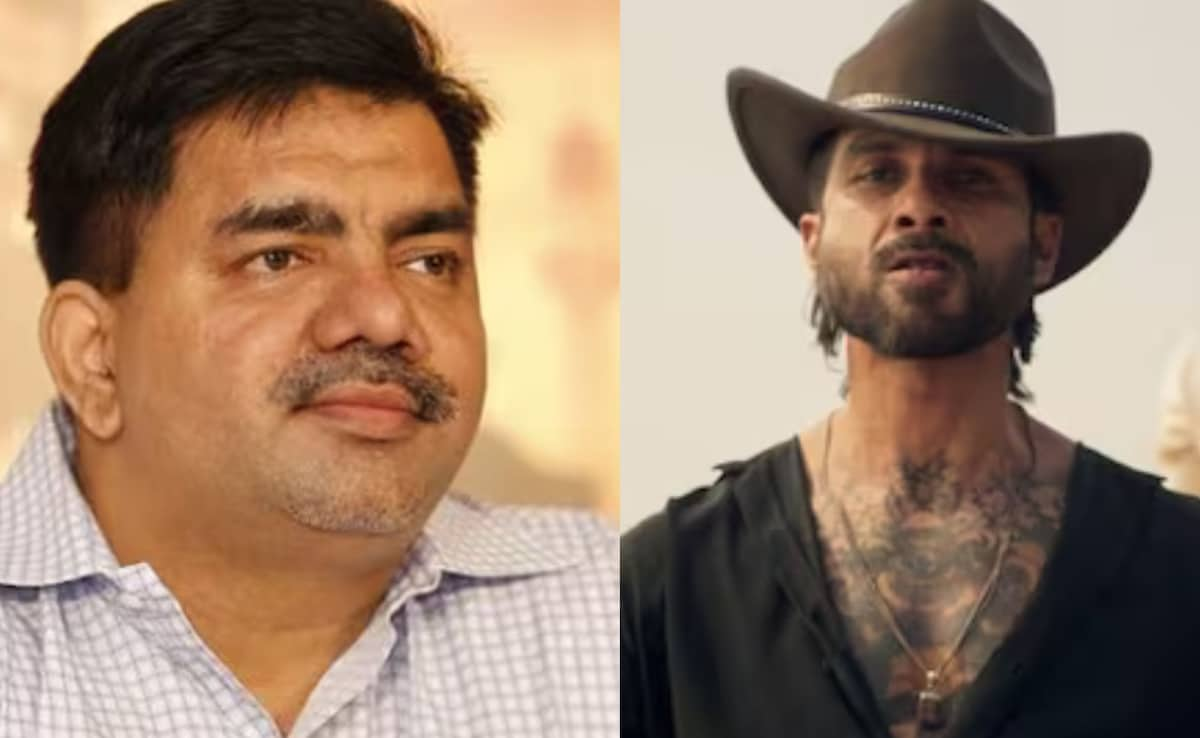
Amid O'Romeo Controversy, Author Hussain Zaidi Reveals Why He Didn't Seek Permission From Hussain Ustara's Family: 'We Were Good Friends'
📰 RSS Feed Image
📖 Table of Contents
🎬 Latest Development: Author Hussain Zaidi Explains O'Romeo Controversy, Ustara Family: "We Were Good Friends"
Zaidi defends Ustara portrayal, friendship
📋 What You Need to Know
Renowned crime author Hussain Zaidi has addressed the controversy surrounding his book 'O'Romeo' and its depiction of the notorious gangster Hussain Ustara. Zaidi has clarified why he did not seek explicit permission from Ustara's family for the book, stating a personal connection: "We were good friends." Furthermore, he has vehemently rejected claims that his writing unfairly portrays Ustara as a villain, aiming to provide a nuanced perspective on a complex figure from Mumbai's underworld. This defense sheds light on the ethical considerations of biographical storytelling, particularly when dealing with sensitive subjects and their living relatives, emphasizing the author's intent and personal relationship with the subject.
🎭 Complete Story
Hussain Zaidi, a name synonymous with gritty narratives of Mumbai's underworld, has found himself at the center of a debate concerning his latest work, 'O'Romeo,' which delves into the life of Hussain Ustara. The controversy stems from the author's decision not to seek formal permission from Ustara's family before publishing the book, a move that has drawn criticism from certain quarters. Zaidi, however, has offered a personal justification, stating unequivocally, "We were good friends." This revelation suggests a level of intimacy and understanding that, in his view, superseded the need for formal family consent, implying that his portrayal was informed by direct knowledge and shared experiences rather than purely external research. He believes his friendship with Ustara provided him with unique insights, allowing him to craft a more authentic and humanized narrative. Moreover, Zaidi has robustly denied accusations that his writing simplifies Ustara into a one-dimensional villain. He asserts that his intention was always to present a multifaceted character, exploring the circumstances, motivations, and complexities that shaped Ustara's life, rather than merely demonizing him. This approach aligns with Zaidi's signature style of dissecting the lives of crime figures with depth and context.
📊 Industry Analysis
The genre of true crime and biographical writing, especially when dealing with notorious figures, often walks a tightrope between factual reporting, narrative appeal, and ethical responsibility. In India, where crime narratives hold significant public fascination, authors like Hussain Zaidi face unique challenges. The controversy surrounding 'O'Romeo' highlights the ongoing debate within the literary industry about artistic license versus family rights and the posthumous reputation of a subject. It prompts questions about who owns a story, especially when the subject is deceased and their legacy is contested. Publishers and authors must navigate the fine line of informing the public while respecting privacy and preventing defamation. The incident also underscores the power of a writer's personal connection to their subject, which can both enrich a narrative and complicate the ethical landscape, particularly when family members feel their perspective has been overlooked.
💬 Expert Commentary
"Zaidi's claim of friendship with Ustara significantly alters the ethical landscape," states Dr. Anjali Rao, a literary critic specializing in biographical ethics. "While formal family permission is generally advisable for biographies, a deep, personal relationship with the subject can provide a different kind of justification for the author's narrative choices. However, it doesn't entirely negate the family's potential concerns about portrayal, especially if their lived experience diverges from the author's interpretation." Legal expert, Adv. Sameer Khan, adds, "In cases concerning deceased individuals, defamation laws are complex. While the dead cannot be defamed, their living relatives can claim distress or damage to their family's reputation if the portrayal is demonstrably false and malicious. Zaidi's assertion that he didn't portray Ustara as a villain is crucial here, as it speaks to the intent and factual basis of his narrative."
🔗 Related Context
The 'O'Romeo' controversy echoes similar debates in biographical literature globally. The depiction of figures like Pablo Escobar, Al Capone, or closer to home, Dawood Ibrahim, has often led to disputes over accuracy, glorification, and the rights of their families. Authors and filmmakers frequently face scrutiny over how they balance historical fact with dramatic interpretation. In India, the lives of underworld figures like Haji Mastan, Karim Lala, and Varadarajan Mudaliar have been extensively documented and fictionalized, often drawing criticism for either romanticizing crime or misrepresenting facts. The core tension remains: how to tell a compelling story about a controversial figure while maintaining journalistic integrity and respecting the sensitivities of those connected to them, especially when the subject's actions have had profound societal impacts.
🔍 Explore More Bollywood Content
Stay connected with the latest happenings in Hindi cinema:
Inside stories and exclusive Bollywood entertainment news
Breaking news from the world of Hindi cinema
Get the latest breaking news and updates from Hindi cinema
💡 Visit Hindi Cinema News for more.
🎯 Key Takeaways
Hussain Zaidi's defense regarding 'O'Romeo' highlights the intricate ethical and narrative challenges inherent in writing about real-life crime figures. His justification, rooted in a personal friendship with Hussain Ustara, offers a unique perspective on his creative process and the depth of his research. By rejecting the "villain" label, Zaidi aims to present a more humanized, albeit complex, portrait of a man from the underworld. This ongoing dialogue underscores the importance of critical engagement with true crime narratives, prompting readers and critics alike to consider the author's intent, their relationship with the subject, and the broader implications of storytelling on public perception and the families involved. Ultimately, it reinforces the idea that even in the realm of factual accounts, perspective and interpretation remain powerful forces.
❓ Frequently Asked Questions
Q: When did this news break?
A: This story was reported today with comprehensive coverage as details emerge.
Q: What makes this significant?
A: This development represents an important moment in the Hindi film industry.
📢 Stay Updated
Don't miss breaking entertainment news! Follow us for real-time updates.
What's your take? Share your thoughts in the comments!
