
Ravi Shankar Centre Debunks Rishabh Sharma Disciple Claim
🚨 Breaking Bollywood News Alert! Get the complete inside story. Updated February 27, 2026.
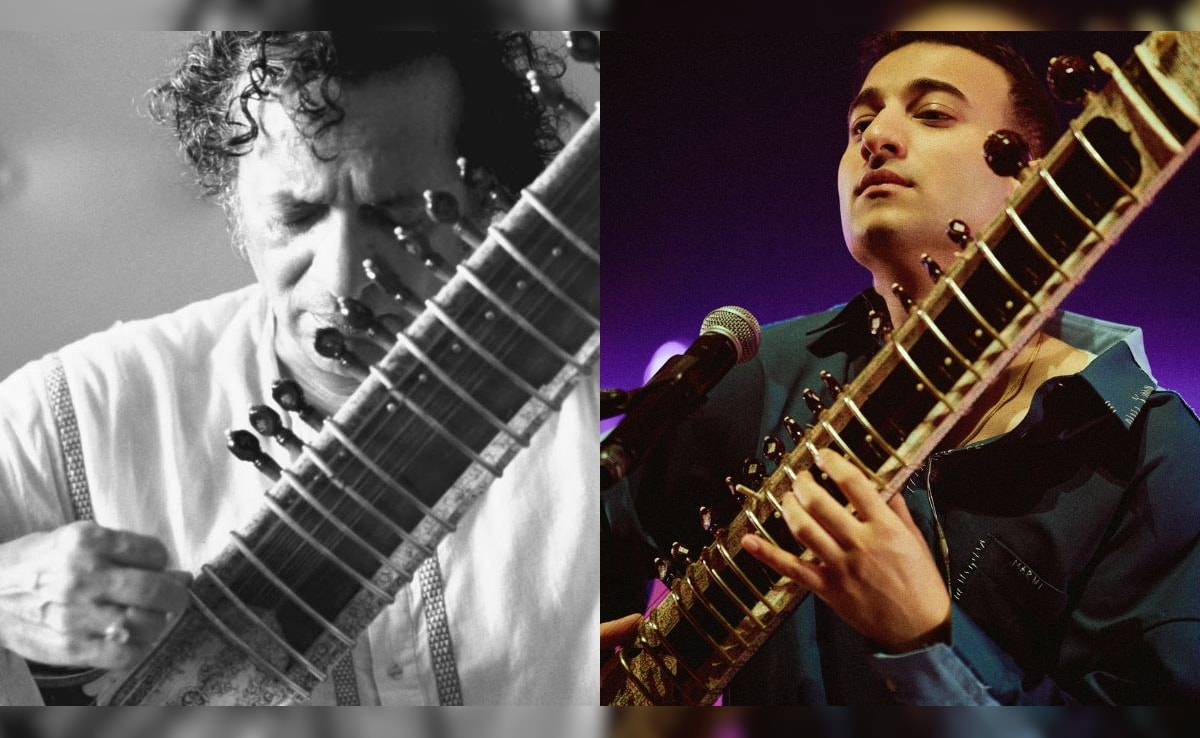
Ravi Shankar Centre Trashes Rishabh Rikhiram Sharma's Claim Of Being Sitar Legend's Disciple
📰 RSS Feed Image
📖 Table of Contents
🎬 Latest Development: Sitar Legacy Under Scrutiny: Ravi Shankar Centre Refutes Rishabh Rikhiram Sharma's Disciple Claims
Legacy, Lineage, and Disputed Discipleship
📋 What You Need to Know
The hallowed lineage of Indian classical music, particularly that of legendary sitar maestro Pandit Ravi Shankar, is once again at the heart of a significant controversy. Sitarist Rishabh Rikhiram Sharma has recently found his claims of being the sitar legend's "youngest" or "last" disciple vehemently challenged by the very custodians of Ravi Shankar's legacy. The Ravi Shankar Centre has issued a strong rebuttal, clarifying the facts surrounding Sharma's association with the maestro. This dispute initially gained traction when Anoushka Shankar, Ravi Shankar's daughter and an accomplished sitarist herself, first publicly questioned Sharma's assertions. The Centre's definitive statement now aims to set the record straight, emphasizing the sanctity of the guru-shishya parampara and the importance of accurate historical representation.
🎭 Complete Story
The controversy surrounding Rishabh Rikhiram Sharma's claim of being a direct disciple of Pandit Ravi Shankar has escalated with a formal and unequivocal statement from the Ravi Shankar Centre. This follows earlier clarifications by Anoushka Shankar, who stated that Sharma was neither her father's youngest nor last disciple. The Centre, acting as the official custodian of Pandit Ravi Shankar’s vast musical and teaching legacy, has now corroborated Anoushka’s stance with a detailed rebuttal. Their statement highlights that while Rishabh Rikhiram Sharma may have had some association with the maestro through his grandfather, Rikhi Ram, who was a renowned instrument maker and a close associate of Ravi Shankar, there was never any formal guru-shishya relationship. The Centre explicitly pointed out the absence of any traditional initiation ceremony, a cornerstone of the sacred guru-shishya parampara in Indian classical music. Such ceremonies, often involving specific rituals and a formal acceptance by the guru, signify a profound commitment and the transfer of knowledge from master to student. Without this, and without explicit acknowledgement from the guru himself, claims of direct discipleship are considered unfounded by the Centre. This assertion is critical because in Indian classical music, the lineage and authenticity of a disciple are paramount, often determining their credibility and standing within the musical community. The Centre's rigorous stance underscores the family's and institution's dedication to preserving the purity and integrity of Pandit Ravi Shankar's formidable artistic heritage, ensuring that his legacy is represented with utmost accuracy and respect.
📊 Industry Analysis
The dispute over Rishabh Rikhiram Sharma's claims of discipleship with Pandit Ravi Shankar shines a spotlight on the broader challenges facing the preservation and authentication of artistic legacies in the classical music world. In an era where information, and misinformation, spreads rapidly, institutions like the Ravi Shankar Centre play a crucial role in safeguarding cultural heritage. The guru-shishya parampara, a fundamental aspect of Indian classical music, relies heavily on oral tradition and personal relationship, making formal documentation sometimes scarce. However, the absence of a formal initiation ceremony, as highlighted by the Centre, is a significant point of contention, demonstrating the institutional criteria for legitimate discipleship. This controversy underscores the need for robust archival practices and clear guidelines from cultural bodies to prevent unverified claims from diluting the authenticity of artistic lineages. Such incidents can impact the credibility of other genuine disciples and the overall perception of the tradition. Moreover, it raises questions about the responsibility of emerging artists to accurately represent their training and associations, especially when invoking the name of a globally revered icon. The industry must navigate the delicate balance between promoting new talent and upholding the sanctity of established traditions and their historical accuracy.
💬 Expert Commentary
"The guru-shishya parampara is not merely a teaching method; it's a sacred bond, a spiritual transmission of knowledge and tradition," explains Dr. Meera Sastry, a renowned musicologist specializing in Indian classical music history. "A formal initiation, often called a 'ganda bandhan' ceremony, is traditionally a pivotal moment. It signifies the guru's acceptance of the student and the student's lifelong commitment. To claim discipleship without this formal acknowledgment, and without the guru ever publicly referring to someone as a disciple, goes against the very ethos of our musical heritage." Dr. Sastry emphasizes, "For a towering figure like Pandit Ravi Shankar, whose influence spans continents, the accuracy of his lineage is not just a family matter, but a global cultural imperative. The Ravi Shankar Centre's firm stand is crucial for maintaining the integrity of his legacy and preventing its dilution by unsubstantiated claims." A representative from a major cultural institution, speaking anonymously, added, "Our institutions are often the last line of defense against historical inaccuracies. When a family and its dedicated centre clarify such matters, it's a call for respect for artistic truth and the arduous path of true discipleship."
🔗 Related Context
The controversy surrounding Rishabh Rikhiram Sharma's claims is not an isolated incident in the world of classical arts. Historically, numerous disputes have arisen regarding the true disciples or heirs of legendary artists, particularly posthumously. These often stem from varying degrees of association, perceived mentorship, and the powerful allure of being linked to a revered name. In Indian classical music, where the guru-shishya tradition emphasizes personal tutelage and often an exclusive relationship, the verification of such claims becomes even more critical. The global stature of Pandit Ravi Shankar, who transcended cultural boundaries and introduced Indian classical music to the Western world, makes his legacy particularly valuable and, consequently, susceptible to such contested narratives. His family, led by Anoushka Shankar and the Ravi Shankar Centre, has been meticulous in documenting and preserving his work, teachings, and associations. Their vigilance underscores a broader commitment within the classical arts community to protect the authenticity of their heritage against any misrepresentation, ensuring that the true narrative of artistic lineage endures for future generations.
🔍 Explore More Bollywood Content
Stay connected with the latest happenings in Hindi cinema:
Breaking news from the world of Hindi cinema
Expert reviews and ratings of the latest Hindi films
First look at movies coming soon to theaters
💡 Visit Hindi Cinema News for more.
🎯 Key Takeaways
The Ravi Shankar Centre's definitive statement firmly contesting Rishabh Rikhiram Sharma's claims of being Pandit Ravi Shankar's youngest or last disciple brings much-needed clarity to a sensitive issue. By reiterating Anoushka Shankar's earlier stance and emphasizing the absence of any formal guru-shishya ceremony, the Centre has underscored the stringent criteria and profound respect required for acknowledging a true disciple in the Indian classical tradition. This controversy highlights the critical role of official institutions and family members in safeguarding the legacies of cultural icons. It serves as a potent reminder of the sanctity of the guru-shishya parampara and the importance of accurate historical representation in the arts. As the custodians of Pandit Ravi Shankar's unparalleled musical heritage, the Centre's commitment ensures that the integrity of his teachings and his true lineage remain untainted, preserving his monumental contribution to global music for posterity.
❓ Frequently Asked Questions
Q: When did this news break?
A: This story was reported today with comprehensive coverage as details emerge.
Q: What makes this significant?
A: This development represents an important moment in the Hindi film industry.
📢 Stay Updated
Don't miss breaking entertainment news! Follow us for real-time updates.
What's your take? Share your thoughts in the comments!
