
Saif Ali Khan on Amrita Singh's Conversion: No Compulsion
🚨 Breaking Bollywood News Alert! Get the complete inside story. Updated February 8, 2026.
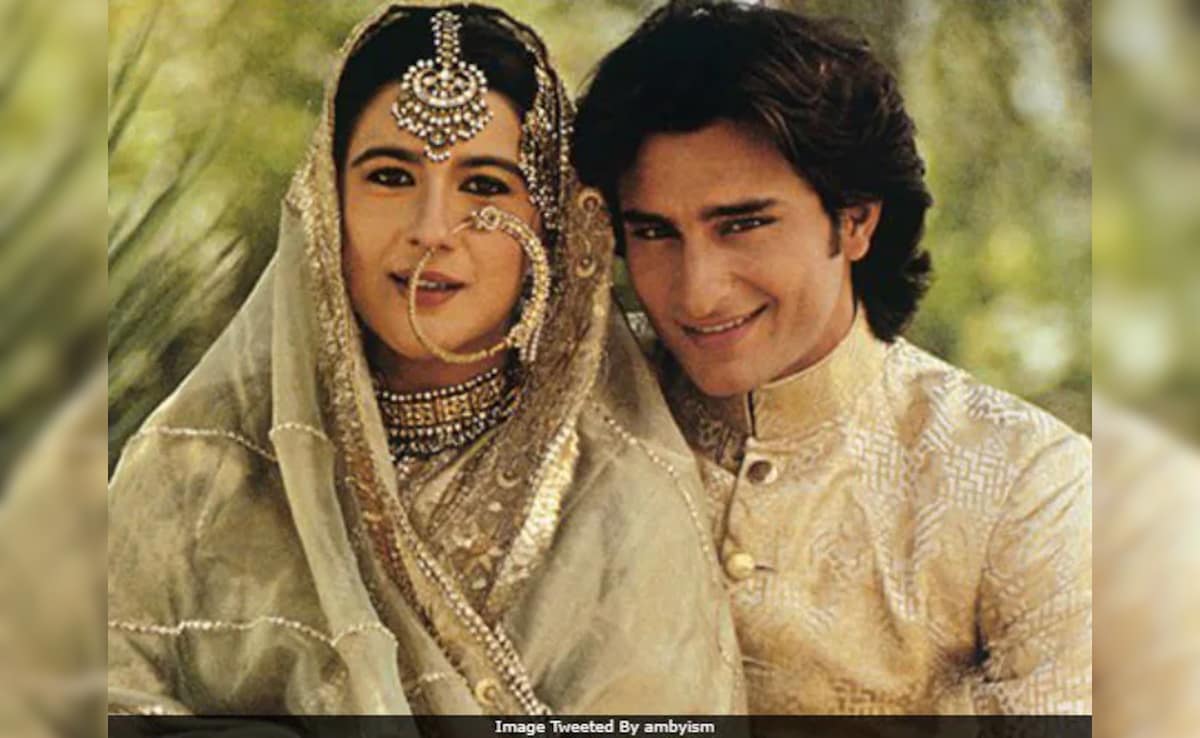
When Saif Ali Khan Said He Never "Compelled" First Wife Amrita Singh To Convert To Islam
📰 RSS Feed Image
📖 Table of Contents
🎬 Latest Development: Saif Ali Khan Clarifies: "Never Compelled Amrita Singh to Convert to Islam" in Interfaith Marriage
Saif Denies Amrita Conversion Pressure
📋 What You Need to Know
The dynamics of celebrity relationships, especially interfaith marriages, often come under intense public scrutiny, particularly in a culturally diverse nation like India. A long-standing narrative surrounding the initial marriage of Bollywood star Saif Ali Khan and veteran actress Amrita Singh involved questions about religious conversion. Saif Ali Khan, known for his candidness, previously addressed these speculations, stating unequivocally that he "never compelled" his first wife, Amrita Singh, to convert to Islam. His assertion, "Right from the beginning, religion was 'to each his own'," offers a crucial perspective on personal autonomy and mutual respect within their high-profile union, shedding light on the complexities and societal pressures faced by celebrity couples navigating different faiths.
🎭 Complete Story
Saif Ali Khan's statements regarding Amrita Singh's religious beliefs during their marriage provided a clear and definitive stance on a matter often fraught with public speculation. When questioned about whether Amrita converted to Islam upon their marriage, Saif firmly denied any compulsion. He emphasized that for both of them, the principle of "to each his own" applied to matters of faith. This meant that neither spouse imposed their religious beliefs or practices on the other, fostering an environment of individual choice and mutual respect. This clarification was significant given the intense public interest in interfaith marriages within the entertainment industry, where personal decisions often become subjects of widespread discussion and sometimes, misinterpretation. Saif and Amrita's marriage, which lasted from 1991 to 2004, was a prominent example of an interfaith union in Bollywood. Despite the societal pressures and expectations that often accompany such relationships, Saif's statement highlighted their commitment to upholding personal religious freedom within their partnership. His remarks serve as an important counter-narrative to the common assumption that conversion is a prerequisite for interfaith unions, especially when one partner hails from a prominent religious background, underlining a more progressive approach to marital harmony based on individual liberty.
📊 Industry Analysis
Interfaith marriages among Bollywood celebrities have always been a subject of intense public and media fascination, often sparking debates on secularism, tradition, and personal choice in India. The industry, being a microcosm of Indian society, reflects its diverse religious landscape, yet also experiences the scrutiny that comes with crossing traditional boundaries. Saif Ali Khan's clarification on Amrita Singh's conversion is particularly salient in this context. It addresses a common misconception and highlights the agency individuals, especially women, have in their religious practices within a marriage. For celebrities, managing their personal lives under the constant glare of the public eye requires careful navigation, especially on sensitive topics like religion. The "to each his own" philosophy articulated by Saif, if genuinely practiced, sets a progressive example, challenging the narrative that interfaith unions necessitate conversion. This public stance can influence societal perceptions, encouraging greater acceptance and understanding of diverse marital choices. However, it also underscores the persistent societal pressure and media obsession with religious identity in celebrity relationships, often overlooking the personal autonomy and mutual respect that couples might cultivate.
💬 Expert Commentary
"Saif Ali Khan's statement on Amrita Singh's religious freedom within their marriage is a powerful one, especially in the Indian context," comments Dr. Anjali Rao, a sociologist specializing in interfaith relationships. "It directly confronts the often-held societal expectation that one partner must convert in an interfaith union. His emphasis on 'to each his own' champions individual autonomy and mutual respect, which are foundational for a healthy relationship regardless of public scrutiny. This kind of public declaration from a celebrity can help normalize and validate interfaith marriages where conversion is not a prerequisite, challenging archaic views." Relationship counselor Meena Sharma adds, "For public figures, personal choices are often politicized. Saif's clarification highlights the importance of setting boundaries and communicating values clearly. It’s a testament to a mature understanding of partnership where religious differences are respected rather than seen as obstacles. This approach is crucial, not just for celebrities, but for anyone navigating an interfaith relationship, to ensure genuine equality and freedom within the bond."
🔗 Related Context
The marriage of Saif Ali Khan and Amrita Singh was one of Bollywood's most talked-about unions, given their age difference and their respective prominent backgrounds. Amrita, a well-established actress from a Punjabi Sikh family, and Saif, from the royal Pataudi family and a Muslim, represented a significant interfaith union. Their children, Sara Ali Khan and Ibrahim Ali Khan, are now prominent figures themselves, embodying this rich, diverse heritage. The "to each his own" philosophy resonates with other prominent interfaith marriages in Bollywood, such as Shah Rukh Khan and Gauri Khan, or Saif's later marriage to Kareena Kapoor Khan, where both partners have largely maintained their individual religious identities. These examples showcase a growing trend within the industry towards personal choice in matters of faith, albeit often under intense public scrutiny. Saif's candor about this personal aspect of his past marriage offers valuable insight into the challenges and triumphs of navigating identity and belief in the public eye, reinforcing the evolving narrative of secularism and personal freedom within Indian society.
🔍 Explore More Bollywood Content
Stay connected with the latest happenings in Hindi cinema:
Expert reviews and ratings of the latest Hindi films
Get the latest breaking news and updates from Hindi cinema
Inside stories and exclusive Bollywood entertainment news
💡 Visit Hindi Cinema News for more.
🎯 Key Takeaways
Saif Ali Khan's clear assertion that he never "compelled" Amrita Singh to convert to Islam stands as a significant statement on religious freedom and mutual respect within a marriage. His philosophy of "to each his own" in matters of faith provides a compelling example of how interfaith relationships can thrive on individual autonomy rather than conversion. This revelation not only clarifies a long-standing public speculation but also contributes to a broader discourse on secularism and personal choice in India, especially within the celebrity sphere. In an era where interfaith relationships continue to be scrutinized, Saif's candid remarks underscore the enduring importance of respecting individual beliefs and fostering an environment of freedom and understanding, setting a powerful precedent for both public figures and society at large.
❓ Frequently Asked Questions
Q: When did this news break?
A: This story was reported today with comprehensive coverage as details emerge.
Q: What makes this significant?
A: This development represents an important moment in the Hindi film industry.
📢 Stay Updated
Don't miss breaking entertainment news! Follow us for real-time updates.
What's your take? Share your thoughts in the comments!
