
SC Rejects Ban on 'Yadav Ji ki Love Story' Film Title
🚨 Breaking Bollywood News Alert! Get the complete inside story. Updated February 25, 2026.
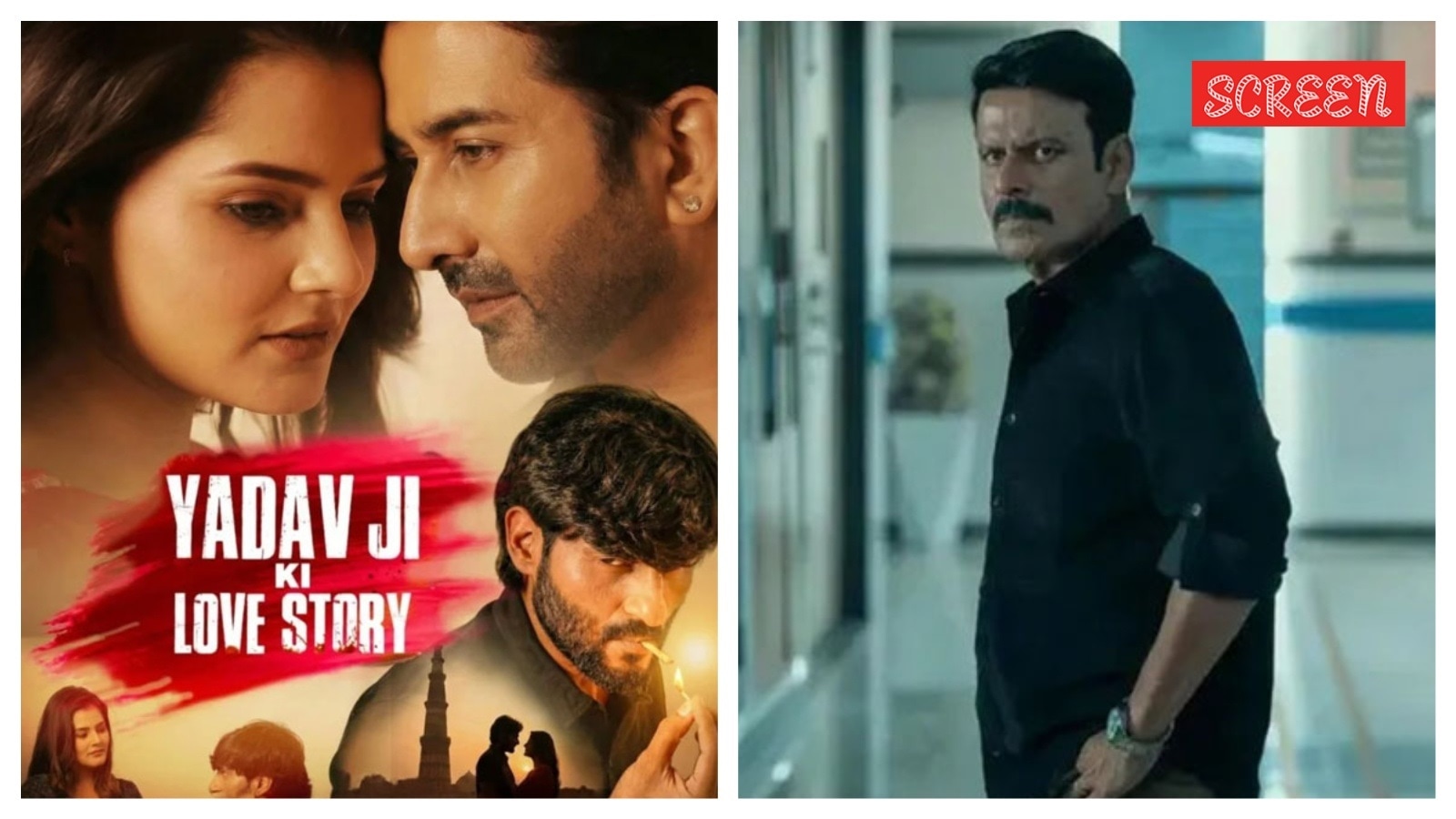
Yadav Ji ki Love Story is no Ghooskhor Pandit: SC rejects plea to ban, says title doesn’t portray community in bad light
📰 RSS Feed Image
📖 Table of Contents
🎬 Latest Development: 'Yadav Ji ki Love Story' is No 'Ghooskhor Pandit': Supreme Court Rejects Ban Plea, Upholds Title's Innocence
Title Not Malicious, Says SC
📋 What You Need to Know
In a significant ruling that reaffirms artistic freedom, the Supreme Court of India has rejected a plea seeking to ban the film *Yadav Ji ki Love Story*. The petition, which argued that the title portrayed the Yadav community in a bad light, was dismissed by the apex court, which firmly stated that the title does not inherently convey any negative connotations. This judgment is particularly noteworthy as it draws a clear distinction from a previous case involving the film *Ghooskhor Pandit*, where the title was deemed problematic. The Supreme Court's decision underscores a crucial judicial understanding of context and intent in creative works, providing a strong precedent against frivolous challenges to film titles. It reinforces the principle that mere community association in a title, without explicit derogatory intent, does not warrant a ban, thereby protecting the space for diverse storytelling in Indian cinema.
🎭 Complete Story
The Supreme Court of India recently delivered a landmark judgment regarding the film *Yadav Ji ki Love Story*, dismissing a plea that sought to impose a ban on the movie based on its title. The petition, filed by certain individuals, contended that the title "Yadav Ji ki Love Story" was derogatory and depicted the Yadav community in an unfavorable light, potentially inciting communal disharmony. However, the apex court, after careful consideration, unequivocally rejected these arguments. The bench, in its ruling, observed that merely associating a community's name with a romantic narrative, as suggested by "Love Story," does not automatically render the title offensive or disparaging. The court found no inherent malice or negative portrayal implied by the title itself.
📊 Industry Analysis
The Supreme Court's decision to reject the ban on *Yadav Ji ki Love Story* and its insightful comparison with *Ghooskhor Pandit* sends a powerful message to the Indian film industry and sets a critical legal precedent. This ruling offers much-needed clarity and protection for filmmakers who often face frivolous lawsuits and threats from various groups alleging offense over titles or content. The distinction drawn by the court – between a title that merely identifies a character's community and one that attaches a negative adjective to it – is vital. It establishes a more reasonable standard for what constitutes a genuinely offensive title, moving away from subjective interpretations that can stifle creativity.
💬 Expert Commentary
Senior Advocate Ms. Shreya Kapoor, specializing in media law, lauded the Supreme Court's judgment. "This is a very sensible and important ruling. The Court has clearly delineated that simply using a community name in a title, especially in the context of a 'love story,' is not derogatory. It’s a crucial distinction from cases where negative adjectives are directly appended to community identifiers," she explained. "This judgment reaffirms the principles of artistic freedom and the high bar required for judicial intervention in creative works. It provides a much-needed shield for filmmakers against arbitrary claims of offense, ensuring that titles can reflect cultural nuances without being automatically deemed insulting. It’s a win for creative expression."
🔗 Related Context
The legal battle over *Yadav Ji ki Love Story* is part of a larger pattern in India, where films often face objections and legal challenges based on their titles, themes, or portrayal of communities. Numerous films, such as *Padmaavat*, *Jodhaa Akbar*, *Oh My God!*, and even historical dramas like *Panipat*, have been embroiled in controversies, facing petitions for bans or changes in titles/content. These incidents often highlight the delicate balance between freedom of expression and concerns about community sentiments and historical accuracy. The Supreme Court's previous rulings, including the *Ghooskhor Pandit* case, have been instrumental in shaping the jurisprudence around artistic freedom and its reasonable restrictions. This current judgment further refines that jurisprudence, providing clearer guidelines for assessing the true intent and potential impact of a film title. It also reflects the increasing judicial awareness of the need to protect creative works from vexatious litigation, ensuring that cultural products can thrive without undue external interference, thereby fostering a more robust and diverse cinematic environment.
🔍 Explore More Bollywood Content
Stay connected with the latest happenings in Hindi cinema:
Get the latest breaking news and updates from Hindi cinema
First look at movies coming soon to theaters
Breaking news from the world of Hindi cinema
💡 Visit Hindi Cinema News for more.
🎯 Key Takeaways
The Supreme Court's decisive rejection of the plea to ban *Yadav Ji ki Love Story* is a significant triumph for artistic freedom and a crucial clarification for the Indian film industry. By distinguishing the title from overtly derogatory ones like *Ghooskhor Pandit*, the apex court has reinforced the principle that merely featuring a community's name in a romantic context does not constitute a negative portrayal. This ruling sets a robust precedent against frivolous challenges to film titles, offering filmmakers much-needed protection from unwarranted legal hurdles and promoting an environment where creative expression can flourish without undue fear of censorship. It encourages authenticity in storytelling and titling, allowing narratives to resonate more genuinely with specific cultural backdrops. As this judgment reverberates through the industry, it stands as a strong affirmation of judicial commitment to protecting artistic liberty and ensuring that cinema remains a vibrant space for diverse and uninhibited storytelling in India.
❓ Frequently Asked Questions
Q: When did this news break?
A: This story was reported today with comprehensive coverage as details emerge.
Q: What makes this significant?
A: This development represents an important moment in the Hindi film industry.
📢 Stay Updated
Don't miss breaking entertainment news! Follow us for real-time updates.
What's your take? Share your thoughts in the comments!
