
Sunil Grover on Mimicry & Celebrity Rights: 'No Offensive Jokes'
🚨 Breaking Bollywood News Alert! Get the complete inside story. Updated February 22, 2026.
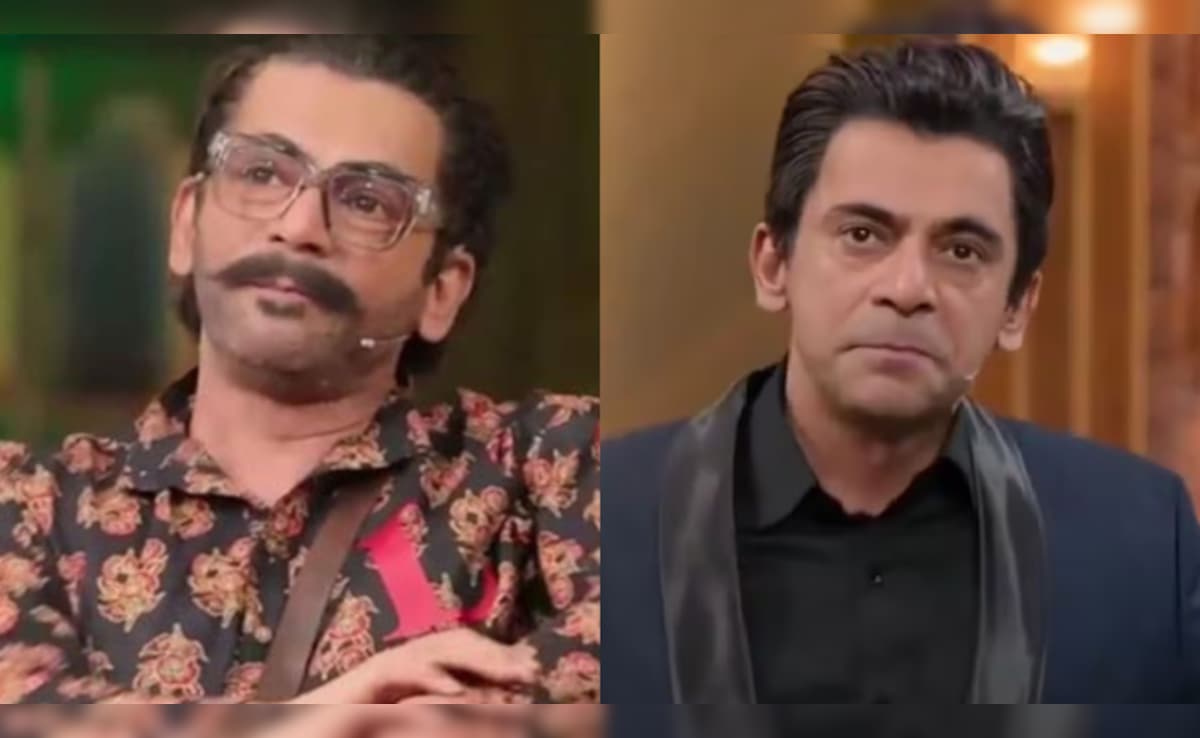
Sunil Grover Reacts To Mimicking Celebrities Amid Rise In Personality Rights Cases: 'I Don't Support Offensive Jokes'
📰 RSS Feed Image
📖 Table of Contents
🎬 Latest Development: Sunil Grover Speaks Out on Mimicry and Personality Rights: "I Celebrate Them, Not Offend"
Grover on Mimicry Ethics
📋 What You Need to Know
The world of entertainment often blurs the lines between tribute and parody, especially when it comes to celebrity impersonations. In an era where personality rights are gaining increasing legal traction, comedians and artists face a delicate balance. Sunil Grover, a master of mimicry renowned for his iconic characters like Gutthi and Dr. Mashoor Gulati, has recently weighed in on this evolving landscape. His perspective sheds light on the ethical considerations and artistic intentions behind his craft, particularly in light of growing concerns over intellectual property and individual likeness. Grover's insights come at a crucial time, offering a nuanced view from someone who has built a career on the very art form under scrutiny, emphasizing a conscious approach to performance that respects both artistic freedom and individual dignity.
🎭 Complete Story
Sunil Grover's statement, "Personally, when I impersonate people, I celebrate them," encapsulates his artistic philosophy. For years, his celebrity impressions have been a cornerstone of his appeal, captivating audiences with their accuracy and humour. However, this form of entertainment now exists within a complex legal and ethical framework. The rise of personality rights cases globally, and increasingly in India, means that public figures have greater control over the commercial use of their image, voice, and likeness. While parody and satire often enjoy broader protection under free speech doctrines, the line between harmless mimicry and unauthorized commercial exploitation can be fine and contentious. Grover’s emphasis on "not supporting offensive jokes" further defines his approach, suggesting a conscious effort to avoid content that could be deemed derogatory or harmful. This self-imposed boundary is critical in a climate where celebrity images are often used without permission, leading to legal battles over endorsements, advertisements, and even character portrayals. His comments suggest a deep understanding of the responsibility that comes with his craft, aiming to entertain without infringing upon the dignity or rights of the individuals he portrays. This nuanced stance highlights a growing awareness among artists about the need to navigate cultural sensitivity and legal boundaries carefully, especially when their work directly involves the public image of others. The increasing assertiveness of celebrities in protecting their digital and physical likeness makes such a responsible approach not just ethical, but also strategically prudent for performers.
📊 Industry Analysis
The entertainment industry is grappling with a significant shift regarding personality rights. Historically, mimicry and parody were largely unregulated, viewed as part of the public domain of celebrity culture. However, with the advent of social media, digital content creation, and increased commercialization of personal brands, celebrities are asserting greater control. In India, while specific "personality rights" legislation is still evolving, courts often address these issues under existing laws related to defamation, copyright, trademark, and the right to privacy. Recent cases involving public figures seeking injunctions against unauthorized use of their likeness highlight this trend. This legal tightening impacts comedians, content creators, and advertisers who must now navigate a more stringent landscape. The challenge lies in balancing artistic freedom and expression with individual rights to privacy and commercial control. This includes considerations for how long a celebrity’s image can be used, whether consent is implied or explicit, and what constitutes fair use versus exploitation. The industry is seeking clearer guidelines to foster creativity while protecting the economic and personal interests of celebrities. The digital age has blurred geographical boundaries, making it easier for content to go viral globally, which further complicates the enforcement of personality rights across different jurisdictions with varying legal frameworks. This global reach necessitates a harmonized approach or at least a greater understanding of international legal nuances by content creators.
💬 Expert Commentary
Legal experts specializing in media and entertainment law acknowledge the increasing complexity. "The landscape of personality rights is rapidly evolving, driven by globalization and digital platforms," states Advocate Meera Sharma, a prominent IP lawyer. "While freedom of speech is paramount, it's not absolute. When mimicry crosses into commercial exploitation without consent, or becomes overtly defamatory, it enters a grey area. Sunil Grover's approach of 'celebrating' rather than 'offending' is a smart distinction. It highlights the intent, which can be a critical factor in legal interpretation. However, even well-intentioned mimicry can sometimes be perceived differently by the subject. The key for artists is to understand the boundaries and perhaps even seek explicit or implicit consent where possible, especially if the portrayal is for commercial gain outside of a satirical context." Another expert, Dr. Rohan Gupta, a cultural studies professor, adds, "Grover's statement underscores the ethical dimension of performance. It’s about respect. In a hyper-connected world, the impact of a portrayal can be immense. Artists who choose to mimic must be acutely aware of power dynamics and potential ramifications, both legal and reputational. This isn't just about avoiding lawsuits; it's about maintaining a positive public image and fostering a culture of respect within the entertainment fraternity."
🔗 Related Context
The discussion around Sunil Grover's stance on mimicry resonates with broader debates within the global entertainment industry. In Hollywood, similar conversations have led to actors and voice artists being more cautious about impersonating public figures without their explicit blessing or within clearly defined satirical contexts. Comedians like Seth MacFarlane and Dana Carvey, known for their impressions, often navigate these waters by ensuring their parodies are clearly distinguished from reality and are not used for unauthorized commercial endorsements. The rise of deepfake technology has further complicated matters, raising urgent questions about the misuse of digital likenesses and the need for robust legal frameworks. Furthermore, the Indian film industry itself has seen instances where artists have expressed discomfort over their portrayals in fictional works or parodies, leading to discussions about consent and creative rights. This ongoing dialogue emphasizes the need for a balanced approach that respects both artistic expression and individual rights to privacy and image control, ensuring that comedy remains a source of joy without causing undue harm or legal complications.
🔍 Explore More Bollywood Content
Stay connected with the latest happenings in Hindi cinema:
Breaking news from the world of Hindi cinema
Exclusive stories about your favorite Bollywood stars
Latest box office numbers and film business analysis
💡 Visit Hindi Cinema News for more.
🎯 Key Takeaways
Sunil Grover's candid reflections on mimicry and personality rights offer a valuable perspective in a rapidly changing media landscape. His commitment to "celebrating" rather than "offending" highlights a conscious ethical framework that many artists could learn from. As legal precedents continue to evolve and celebrities become more assertive about their image rights, the entertainment industry must adapt. The challenge remains to foster an environment where comedic and artistic expression can thrive without infringing upon individual privacy and commercial control. Grover's nuanced approach underscores that responsible mimicry is not just about talent, but also about respect, intent, and an acute awareness of the legal and ethical boundaries. This ongoing dialogue will undoubtedly shape the future of celebrity impersonations, ensuring a more respectful and legally sound practice for all involved, ultimately benefiting both performers and the public figures they portray.
❓ Frequently Asked Questions
Q: When did this news break?
A: This story was reported today with comprehensive coverage as details emerge.
Q: What makes this significant?
A: This development represents an important moment in the Hindi film industry.
📢 Stay Updated
Don't miss breaking entertainment news! Follow us for real-time updates.
What's your take? Share your thoughts in the comments!
