
Tere Naam Re-release: Problematic Nostalgia or Red Flags?
🚨 Breaking Bollywood News Alert! Get the complete inside story. Updated February 26, 2026.
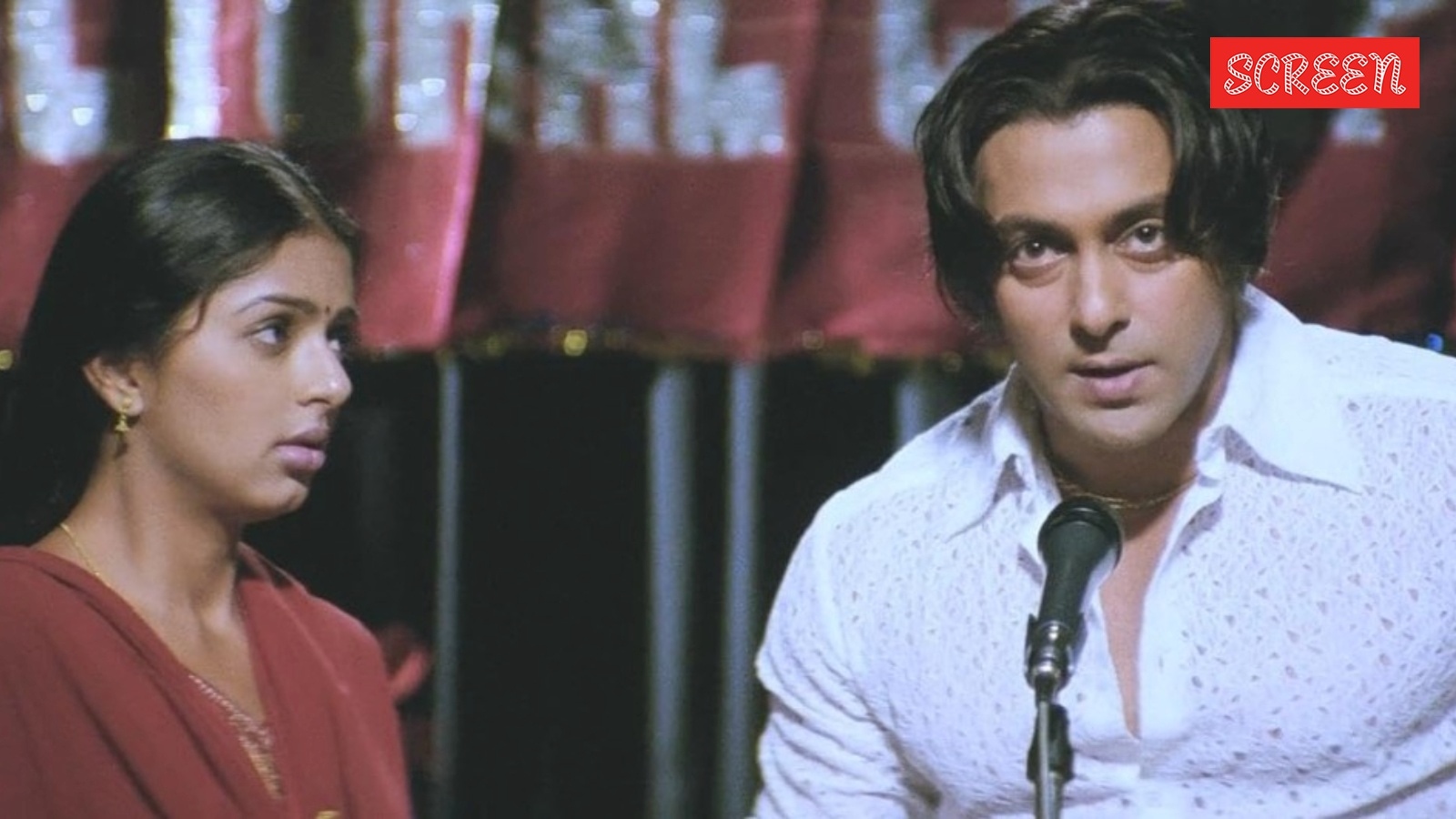
Salman Khan’s Tere Naam re-release: Why bring back a manual of red flags that should have stayed in 2003?
📰 RSS Feed Image

Salman Khan’s Tere Naam re-release: Why bring back a manual of red flags that should have stayed in 2003?
📰 RSS Feed Image (Image 2)

Salman Khan’s Tere Naam re-release: Why bring back a manual of red flags that should have stayed in 2003?
📰 RSS Feed Image (Image 3)

Salman Khan’s Tere Naam re-release: Why bring back a manual of red flags that should have stayed in 2003?
📰 RSS Feed Image (Image 4)
📖 Table of Contents
🎬 Latest Development: Salman Khan’s ‘Tere Naam’ Re-release: Why Bring Back a Manual of Red Flags That Should Have Stayed in 2003?
'Tere Naam' re-release backlash.
📋 What You Need to Know
The recent re-release of Salman Khan’s 2003 blockbuster, 'Tere Naam,' has ignited a fierce debate, dividing audiences between nostalgic fans and modern critics. While the film was a significant commercial success two decades ago and cemented Salman Khan's 'Radhe Mohan' persona, its return to theaters has prompted a re-evaluation through a contemporary lens. Many are questioning the decision to bring back a film now widely perceived as a "manual of red flags," propagating outdated and problematic ideas about love, consent, and masculinity. This re-release serves as a stark reminder of how societal values and cinematic narratives have evolved, challenging the industry to reflect on the kind of content it chooses to revive.
🎭 Complete Story
The re-release of 'Tere Naam' has reopened a Pandora's Box of discussions surrounding its problematic portrayal of romance and masculinity. In 2003, the film, which told the story of Radhe Mohan (Salman Khan), a hot-headed college student who falls obsessively in love with Nirjara (Bhumika Chawla), was a box office hit and spawned a cult following, particularly influencing male fashion and attitudes among a certain demographic. However, what was once accepted as passionate love onscreen is now widely recognized as a deeply troubling depiction of stalking, harassment, and coercive behavior.
📊 Industry Analysis
The decision to re-release 'Tere Naam' in an era marked by increased social consciousness and the #MeToo movement underscores a significant tension within the film industry: the balance between commercial nostalgia and social responsibility. Many production houses and distributors re-release old blockbusters to tap into established fan bases and capitalize on the sentimental value attached to these films, particularly for stars like Salman Khan. This strategy often proves lucrative, drawing in audiences eager to relive cinematic memories.
💬 Expert Commentary
"The re-release of 'Tere Naam' is a fascinating case study in how cultural products age and how our collective understanding of concepts like love and consent has evolved," says Dr. Anjali Rao, a cultural sociologist specializing in media and gender studies. "In 2003, the film was largely seen as a tragic love story. Today, it's difficult to watch Radhe's actions without recognizing them as textbook examples of stalking and emotional abuse. Bringing this film back without any critical framing or acknowledgment of its problematic elements is, at best, a missed opportunity for reflection, and at worst, a tacit endorsement of behaviors that we, as a society, are actively trying to unlearn."
🔗 Related Context
The debate surrounding 'Tere Naam' is part of a larger global conversation about re-evaluating older cinematic works through a modern ethical lens. Films like 'Gone with the Wind' have been discussed for their romanticization of slavery, leading to disclaimers or removal from certain platforms. Classic Hollywood romantic comedies are often critiqued for their outdated gender dynamics. Even within Bollywood, many films from the 80s and 90s, once celebrated, are now being re-examined for their portrayal of women, consent, and hero archetypes. This trend reflects a broader cultural shift where audiences are increasingly demanding accountability from media, expecting content to align with contemporary progressive values, or at least be presented with critical context. The 'Tere Naam' re-release thus serves as a powerful reminder that cultural artifacts do not exist in a vacuum; their meaning and impact shift with the times, and their revival demands thoughtful consideration.
🔍 Explore More Bollywood Content
Stay connected with the latest happenings in Hindi cinema:
Breaking news from the world of Hindi cinema
Inside stories and exclusive Bollywood entertainment news
Exclusive stories about your favorite Bollywood stars
💡 Visit Hindi Cinema News for more.
🎯 Key Takeaways
The re-release of Salman Khan’s 'Tere Naam' has undeniably sparked a crucial dialogue about the intersection of cinematic nostalgia, evolving social values, and the industry’s responsibility. While the film holds a significant place in Bollywood history for many, its return to theaters has highlighted its deeply problematic portrayal of love and masculinity, now widely identified as a "manual of red flags." This debate underscores the critical need for a more discerning approach to reviving past content, urging the industry to consider not just commercial viability but also the enduring social messages it propagates. Ultimately, the conversation surrounding 'Tere Naam' serves as a powerful reminder that as society progresses, so too must our critical engagement with cultural artifacts, ensuring that while we appreciate the past, we also learn from its shortcomings and strive for more responsible and progressive storytelling in the future.
❓ Frequently Asked Questions
Q: When did this news break?
A: This story was reported today with comprehensive coverage as details emerge.
Q: What makes this significant?
A: This development represents an important moment in the Hindi film industry.
📢 Stay Updated
Don't miss breaking entertainment news! Follow us for real-time updates.
What's your take? Share your thoughts in the comments!
