
Govinda Compares Career Lows to Bachchan, Khanna, Khan
🚨 Breaking Bollywood News Alert! Get the complete inside story. Updated March 5, 2026.
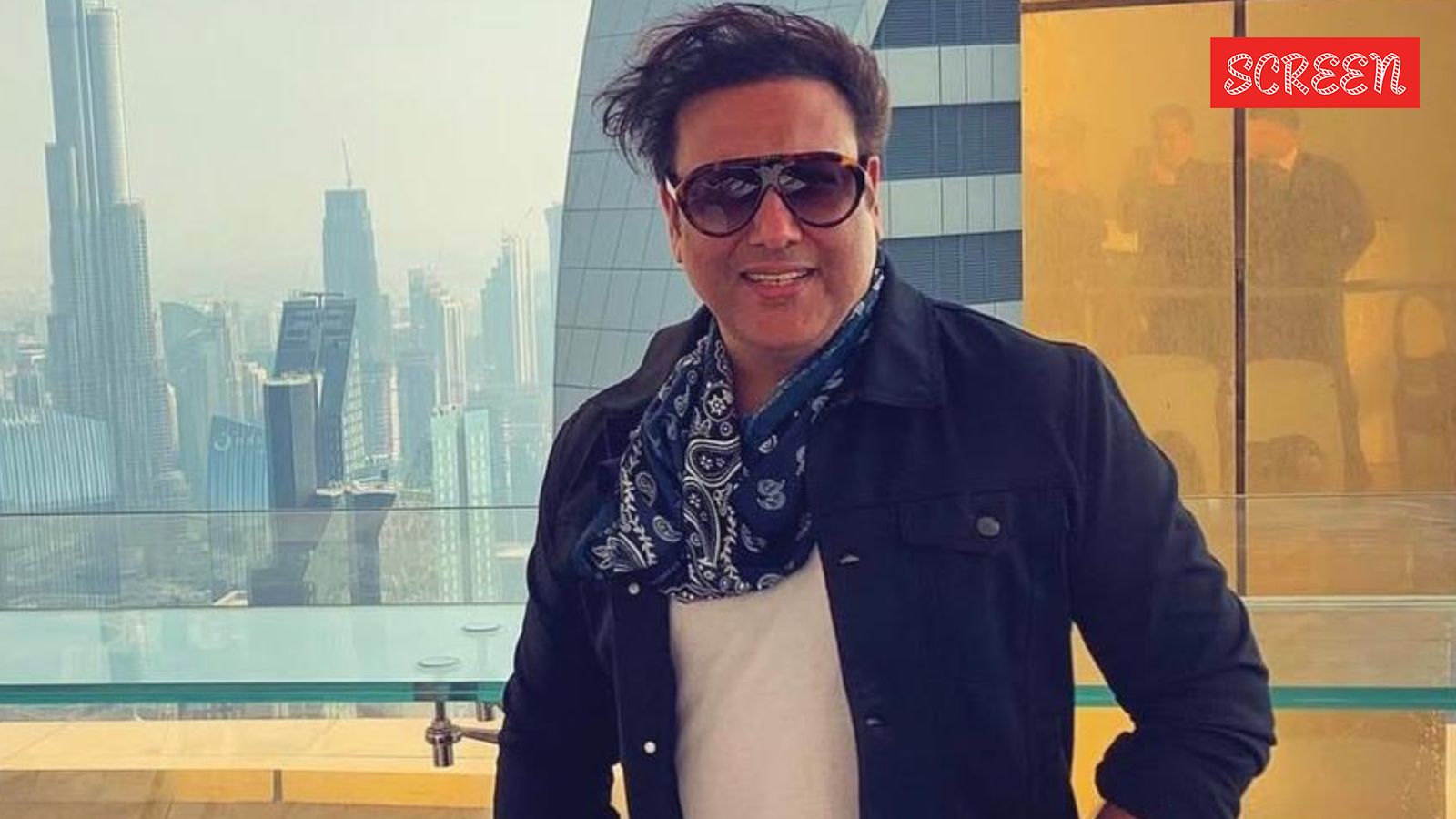
Govinda says everyone’s name gets tarnished, compares his rough patch with that of Rajesh Khanna, Amitabh Bachchan: ‘Aamir Khan ki badnaami kitni hoti thi’
📰 RSS Feed Image
📖 Table of Contents
🎬 Latest Development: Govinda Compares His Career Rough Patch to Amitabh Bachchan, Rajesh Khanna; Cites Aamir Khan's "Badnaami"
Govinda on career highs, lows.
📋 What You Need to Know
Veteran actor Govinda, known for his iconic roles and unique comedic timing, has recently opened up about the challenging phases of his illustrious career, drawing parallels with the journeys of industry stalwarts like Amitabh Bachchan and Rajesh Khanna. In a candid reflection, Govinda highlighted the cyclical nature of fame and fortune in Bollywood, asserting that "everyone’s name gets tarnished" at some point. Notably, he also brought up Aamir Khan, referencing "Aamir Khan ki badnaami kitni hoti thi" (how much Aamir Khan used to be defamed/criticized). This deeply personal commentary from Govinda offers a rare glimpse into the psychological toll of public life and the relentless scrutiny faced by celebrities. It prompts a broader discussion on the resilience required to navigate the highs and lows of the entertainment industry, and how even the most celebrated figures grapple with periods of professional adversity and public criticism.
🎭 Complete Story
Govinda's comparison of his own career struggles to those of Amitabh Bachchan and Rajesh Khanna is particularly telling. Rajesh Khanna, Bollywood's first superstar, experienced an unprecedented reign at the top before a gradual decline, struggling to replicate his earlier success. Amitabh Bachchan, despite his legendary status, faced significant financial troubles and a string of box office failures in the late 1990s, only to make a monumental comeback with 'Kaun Banega Crorepati' and subsequent film successes. Govinda’s reference to these two giants underscores the idea that career ebbs and flows are an intrinsic part of the industry, not just for newcomers but for established stars as well. His remark about Aamir Khan's "badnaami" (defamation/criticism) further illustrates his point about public scrutiny. While Aamir Khan is now revered for his selective, high-quality projects, he too faced periods of intense media criticism, particularly in his earlier career for his choice of roles or public statements. Govinda, who enjoyed a meteoric rise to stardom in the 90s, became synonymous with a particular brand of mass entertainment. His subsequent struggles to adapt to changing industry trends and his much-publicized political stint led to a perceived dip in his cinematic presence. By openly discussing these parallels, Govinda normalizes the experience of professional adversity, suggesting it's a universal challenge even for the biggest names in the cutthroat world of Indian cinema.
📊 Industry Analysis
The entertainment industry is notoriously volatile, characterized by rapid shifts in audience preferences, technological advancements, and evolving storytelling paradigms. Govinda's reflections offer a crucial lens through which to examine the cyclical nature of celebrity and the unforgiving demands placed on stars. The industry's constant need for novelty means that even established actors must continuously reinvent themselves to remain relevant. For actors like Govinda, whose peak coincided with a specific era of filmmaking, adapting to new genres, acting styles, and distribution platforms can be a significant challenge. The rise of multiplex culture, digital streaming, and a greater emphasis on nuanced performances over overt theatrics has transformed Bollywood. Moreover, the pervasive nature of social media amplifies both praise and criticism, making public image management more complex than ever. Govinda's comparison highlights how few, if any, escape the scrutiny and the inevitable "rough patches." It underscores the need for resilience, adaptability, and perhaps, a strong support system for artists navigating such an unpredictable landscape. The industry, while glamorous, is also a high-stakes arena where careers can soar and plummet with equal swiftness, making stories of comebacks and perseverance all the more compelling.
💬 Expert Commentary
"Govinda's statements provide a fascinating psychological insight into the celebrity psyche," notes Dr. Kavita Singh, a media psychologist. "Public figures, especially actors, often derive a significant portion of their self-worth from public adulation and professional success. When that wanes, it can be incredibly challenging to cope with. His comparison to Bachchan, Khanna, and Khan isn't just about career trajectories; it's about validating his own experience of 'tarnished' reputation and proving that such struggles are part of the journey for even the most celebrated. This normalization can be therapeutic, not just for the actor himself, but also for others in the industry who might be facing similar challenges silently. It highlights the immense pressure to constantly perform, both on and off-screen, and the emotional resilience required to weather periods of public criticism or perceived failure. It also reminds us that beneath the glamour, celebrities are individuals grappling with universal human experiences of success, failure, and self-worth."
🔗 Related Context
The phenomenon of career highs and lows is a recurring theme in global entertainment industries. Hollywood, for instance, has numerous examples of stars who experienced immense fame, then faded, only to make remarkable comebacks. Robert Downey Jr.'s journey from personal struggles to becoming one of the highest-paid actors is a prime example. Closer to home, actors like Mithun Chakraborty and Anil Kapoor, who were massive stars in their prime, have also spoken about navigating changing industry dynamics and adapting their careers. The advent of OTT platforms has provided a new avenue for many actors, allowing them to experiment with different roles and reach new audiences, sometimes leading to a career resurgence. Govinda's candidness also echoes similar sentiments expressed by other actors who've faced public scrutiny, highlighting the constant pressure to maintain a pristine image. The media's role in building up and tearing down celebrities is also a relevant context, as narratives around "comebacks" and "downsfalls" are often shaped by public perception and media commentary, influencing an actor's trajectory significantly.
🔍 Explore More Bollywood Content
Stay connected with the latest happenings in Hindi cinema:
Latest box office numbers and film business analysis
Breaking news from the world of Hindi cinema
Inside stories and exclusive Bollywood entertainment news
💡 Visit Hindi Cinema News for more.
🎯 Key Takeaways
Govinda's frank admission about the inevitable career fluctuations and public scrutiny faced by actors resonates deeply within the entertainment world. By drawing parallels with industry legends like Amitabh Bachchan, Rajesh Khanna, and even Aamir Khan, he not only normalizes his own experiences but also offers a broader perspective on the transient nature of fame. His insights highlight the immense pressure on public figures and the resilience required to navigate the highs of superstardom and the lows of public criticism. Ultimately, Govinda's commentary serves as a powerful reminder that behind the glitz and glamour, actors are individuals who grapple with professional challenges, public perception, and the constant need for adaptation. His words encourage a more empathetic understanding of the journeys of celebrities, acknowledging that success and struggle are often two sides of the same coin in the demanding world of cinema.
❓ Frequently Asked Questions
Q: When did this news break?
A: This story was reported today with comprehensive coverage as details emerge.
Q: What makes this significant?
A: This development represents an important moment in the Hindi film industry.
📢 Stay Updated
Don't miss breaking entertainment news! Follow us for real-time updates.
What's your take? Share your thoughts in the comments!
