
Northeast India Identity: Lakshmipriya Devi on "Northeastern"
🚨 Breaking Bollywood News Alert! Get the complete inside story. Updated March 5, 2026.
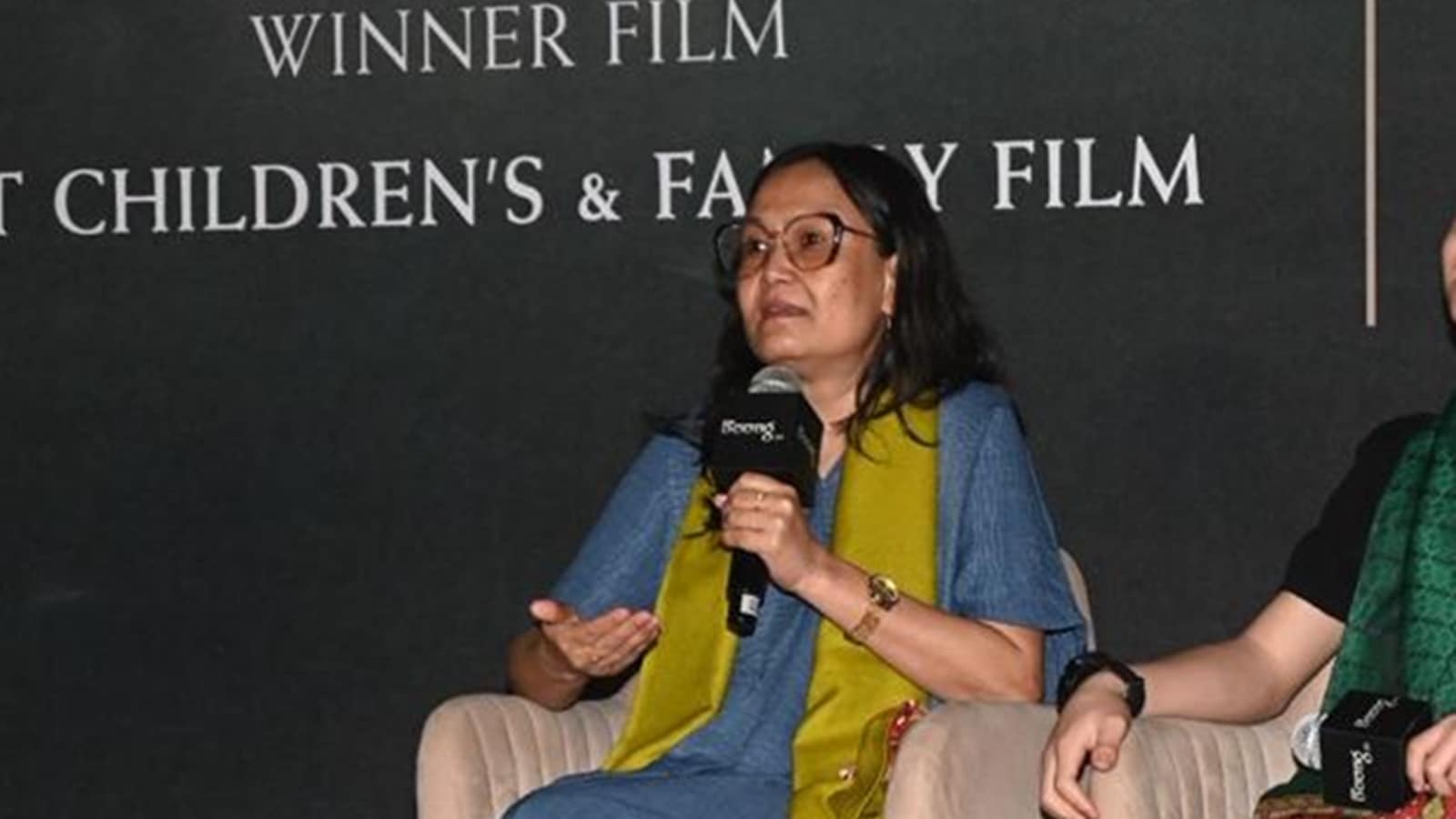
Everyone in N-E hates being called northeastern: Boong director Lakshmipriya Devi
📰 RSS Feed Image
📖 Table of Contents
🎬 Latest Development: "Everyone in N-E Hates Being Called Northeastern": Director Lakshmipriya Devi Ignites Debate on Regional Identity
Identity, representation, cultural nuance.
📋 What You Need to Know
In a poignant and direct statement, acclaimed director Lakshmipriya Devi has brought a critical issue to the forefront of national discourse, asserting that "Everyone in N-E hates being called northeastern." This seemingly simple remark, shared in the context of her film 'Boong', unravels a complex tapestry of identity, representation, and the deeply personal experiences of people from India's diverse northeastern states. Her words challenge a long-held, often unexamined, nomenclature, urging a re-evaluation of how the region and its inhabitants are perceived and labeled. This blog post delves into the nuances of Devi's statement, exploring the historical context, cultural implications, and the broader call for respectful and accurate representation within the media and beyond. It seeks to unpack why a seemingly innocuous geographical descriptor can carry such significant weight and spark such a strong reaction from those it seeks to categorize.
🎭 Complete Story
Lakshmipriya Devi's assertion is more than a casual observation; it is a profound commentary on the politics of naming and the erasure of distinct identities. The term "northeastern," while geographically accurate for the cluster of states, often functions as a monolithic label that homogenizes the vast cultural, linguistic, and ethnic diversity of the region. Comprising eight distinct states – Arunachal Pradesh, Assam, Manipur, Meghalaya, Mizoram, Nagaland, Sikkim, and Tripura – each possesses its unique heritage, traditions, languages, and socio-political landscapes. To group them under a single, overarching identity, many argue, diminishes their individual specificities and perpetuates a lack of understanding about the rich tapestry they collectively form. Devi, through her work and personal experience, articulates the frustration felt by many who find this label reductive and externally imposed. It often implies a perception of "otherness" or a deviation from a perceived "mainstream" Indian identity, rather than acknowledging the region as an integral, yet distinct, part of the nation. The director's statement draws attention to the subtle but significant ways language shapes perception, and how a seemingly neutral term can inadvertently carry connotations of marginalization or a lack of individual recognition. Her call is a plea for greater sensitivity and a deeper engagement with the indigenous identities that define these vibrant communities, pushing for a narrative that celebrates their distinctiveness rather than flattening it under a broad, generic label.
📊 Industry Analysis
The Indian film industry, particularly Bollywood, has historically struggled with the accurate and sensitive portrayal of India's diverse regions and communities, and the Northeast is no exception. Often, characters from the region are either absent, relegated to stereotypes, or presented through a generalized lens that fails to capture their authenticity. Lakshmipriya Devi's statement serves as a vital critique of this systemic issue, highlighting how even seemingly benign terms contribute to a larger problem of misrepresentation and cultural insensitivity. The use of "northeastern" as a catch-all term in media often stems from a lack of in-depth research or a superficial understanding of the region's intricacies. This can lead to narratives that are either culturally inaccurate, perpetuate harmful stereotypes, or simply fail to resonate with the lived experiences of the people they claim to represent. Devi's advocacy for more nuanced terminology is a call for greater accountability within the creative industries. It underscores the need for filmmakers, writers, and media professionals to engage more deeply with the diverse identities within India, moving beyond convenient labels towards authentic storytelling. This shift would not only enrich the narrative landscape but also foster a more inclusive and respectful media environment, where regional identities are celebrated for their distinctness rather than being flattened into a singular, often misunderstood, category.
💬 Expert Commentary
"Lakshmipriya Devi's statement resonates deeply with the principles of identity politics and cultural recognition," explains Dr. Ananya Sharma, a cultural anthropologist specializing in regional identities. "When an external label is imposed, especially one that homogenizes diverse groups, it can lead to a sense of alienation and a perceived erasure of individual and communal heritage. The term 'northeastern,' while geographically descriptive, fails to acknowledge the distinct languages, customs, histories, and aspirations of the various ethnic groups within the region. It creates a 'them' versus 'us' dynamic, where 'us' is the 'mainland' and 'them' is a vaguely defined 'other.' This isn't just about semantics; it's about dignity and the right to self-identification. For too long, narratives about the Northeast have been shaped by external perspectives, often leading to stereotypes or a complete lack of representation. Devi's voice, coming from within the region and the film industry, is powerful because it demands a shift from passive acceptance of broad labels to active recognition of specific identities. It's a crucial step towards fostering genuine inclusivity and understanding across the nation."
🔗 Related Context
The debate ignited by Lakshmipriya Devi is not an isolated incident but part of a larger, ongoing conversation about regional identity and representation across India and globally. Similar discussions have emerged regarding the term "South Indian," which, much like "northeastern," often overlooks the distinct cultural identities of states like Kerala, Tamil Nadu, Karnataka, Telangana, and Andhra Pradesh. In other parts of the world, terms like "African American" or "Latino" have also faced scrutiny for their broadness, with calls for more specific identifiers that acknowledge diverse national origins and ethnic backgrounds. Historically, media portrayal of the Northeast has often been problematic, ranging from stereotypical characters in mainstream cinema to insensitive reporting on social issues. Instances of racial discrimination and xenophobia against people from the region in other parts of India have further highlighted the urgent need for a more informed and empathetic understanding of their diverse identities. Devi's comments align with a growing movement demanding that media, education, and public discourse move beyond simplistic labels towards a more nuanced appreciation of India's multi-faceted cultural landscape.
🔍 Explore More Bollywood Content
Stay connected with the latest happenings in Hindi cinema:
First look at movies coming soon to theaters
Exclusive stories about your favorite Bollywood stars
Breaking news from the world of Hindi cinema
💡 Visit Hindi Cinema News for more.
🎯 Key Takeaways
Lakshmipriya Devi's candid articulation of the sentiment against being generically labeled "northeastern" serves as a powerful reminder of the importance of precise and respectful language in shaping perceptions and fostering inclusivity. Her words are not merely a linguistic quibble but a profound call for recognizing the unique identities, cultures, and histories of the diverse communities inhabiting India's northeastern states. As filmmakers and cultural commentators, individuals like Devi play a crucial role in challenging established norms and pushing for more authentic representation. The debate sparked by her statement underscores the need for a national dialogue that moves beyond broad generalizations to embrace the rich tapestry of India's regional identities. Ultimately, respecting the desire of communities to define themselves is a fundamental step towards building a more empathetic and truly inclusive society, where every distinct voice is heard and valued, rather than being overshadowed by a convenient, yet ultimately reductive, label.
❓ Frequently Asked Questions
Q: When did this news break?
A: This story was reported today with comprehensive coverage as details emerge.
Q: What makes this significant?
A: This development represents an important moment in the Hindi film industry.
📢 Stay Updated
Don't miss breaking entertainment news! Follow us for real-time updates.
What's your take? Share your thoughts in the comments!
