
Kerala HC Rejects PIL Against 'The Kerala Story 2'
🚨 Breaking Bollywood News Alert! Get the complete inside story. Updated March 6, 2026.
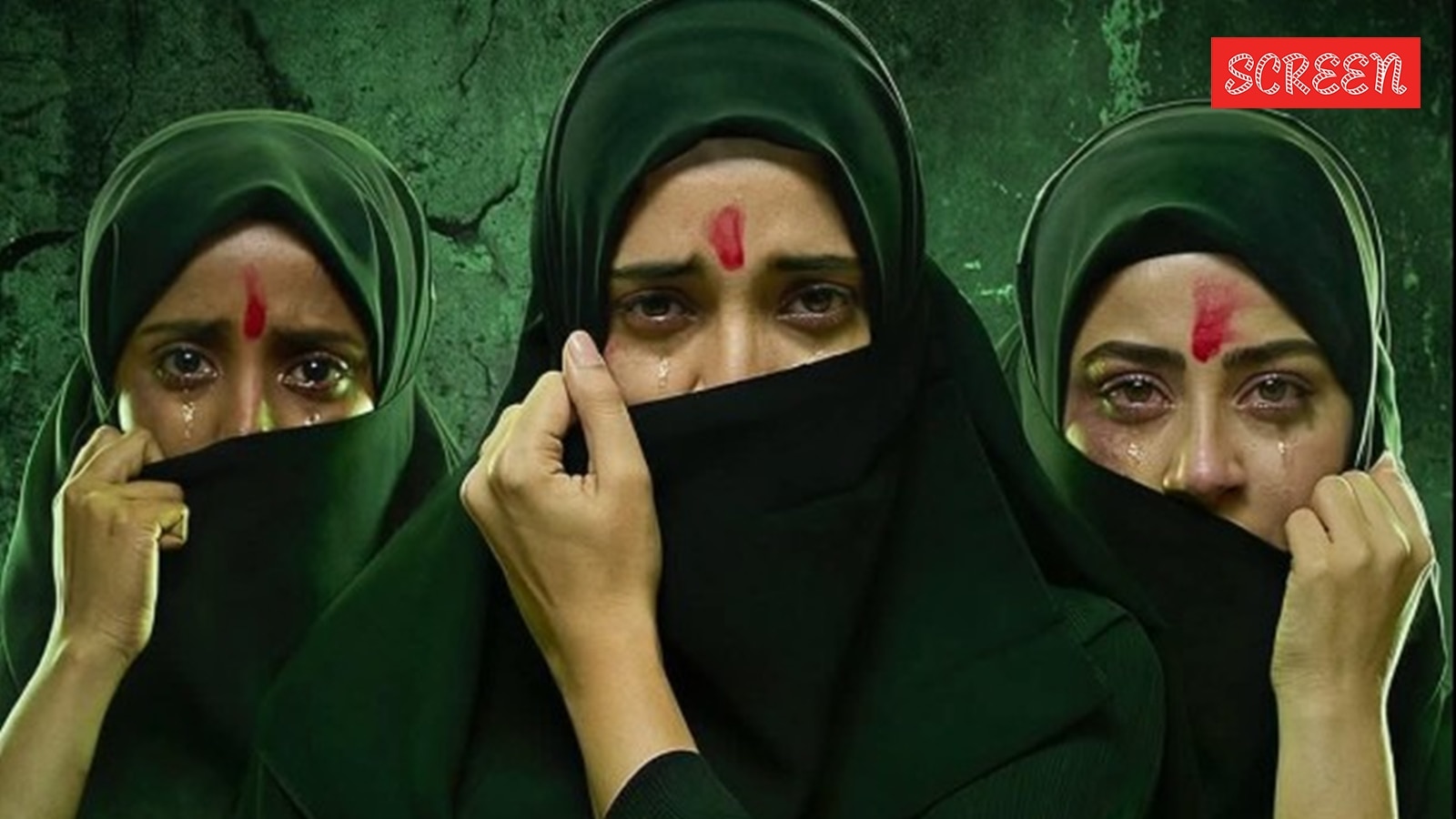
Kerala HC declines to entertain PIL against The Kerala Story 2
📰 RSS Feed Image
📖 Table of Contents
🎬 Latest Development: Legal Victory for Filmmakers? Kerala High Court Declines to Intervene in 'The Kerala Story 2' PIL
Court Upholds Cinematic Freedom
📋 What You Need to Know
In a significant development for the Indian film industry and the ongoing debate surrounding artistic expression, the Kerala High Court has reportedly declined to entertain a Public Interest Litigation (PIL) filed against the upcoming film 'The Kerala Story 2'. This decision marks a crucial moment, underscoring the judiciary's stance on pre-release censorship and the balance between public sentiment and creative liberties. The original film sparked widespread controversy, and its sequel's announcement has reignited discussions about narrative authenticity, political undertones, and the role of cinema in society. This blog post delves into the implications of the High Court's ruling, exploring the legal framework, the historical context of film censorship in India, and what this means for future cinematic ventures that touch upon sensitive social and political themes.
🎭 Complete Story
The Public Interest Litigation (PIL) against 'The Kerala Story 2' sought judicial intervention to prevent the film's release, citing concerns over its potential to incite communal disharmony and propagate a biased narrative. Petitioners argued that, much like its predecessor, the sequel could misrepresent facts and further polarize society. However, the Kerala High Court's decision to not entertain the PIL reflects a consistent judicial reluctance to impose pre-censorship on artistic works, especially when the Central Board of Film Certification (CBFC) is the statutory body tasked with clearing films for public exhibition. The court often emphasizes that the CBFC's certification process is robust and that any grievances regarding a film's content should ideally be addressed after its release, allowing for a proper assessment of its impact. This approach aligns with principles of freedom of speech and expression, fundamental rights enshrined in the Indian Constitution, which extend to cinematic works. The court's stance suggests that potential harm must be demonstrably clear and imminent to warrant pre-emptive judicial action, a threshold that the petitioners likely failed to meet in this instance. The original film, 'The Kerala Story,' faced similar legal challenges and intense public debate, yet ultimately secured a release, with some disclaimers added. The sequel's journey appears to follow a similar path, indicating a trend where legal avenues for pre-release bans are increasingly difficult to navigate successfully. This judicial position is often seen as a bulwark against attempts to stifle creative voices, even when those voices present narratives that are contentious or provocative.
📊 Industry Analysis
The Indian film industry, particularly Bollywood and regional cinema, has a long and complex history with censorship and legal challenges. Films addressing political, religious, or social issues frequently face scrutiny from various groups, often leading to PILs and demands for bans. The judiciary's consistent stance on upholding artistic freedom, while also acknowledging reasonable restrictions, plays a vital role in shaping the creative landscape. The decline of the PIL against 'The Kerala Story 2' reinforces the precedent that the CBFC is the primary authority for film certification, and courts are hesitant to overstep this statutory body's jurisdiction without compelling reasons. This judicial position provides a degree of predictability for filmmakers, allowing them to pursue projects on sensitive subjects, albeit with the understanding that post-release controversies and legal battles might still ensue. However, the prevalence of such PILs also highlights a broader societal trend where judicial intervention is increasingly sought to address perceived grievances related to artistic content. While the courts often rule in favor of artistic freedom, the process itself can be financially and creatively draining for filmmakers. The trend indicates a need for a more nuanced public discourse on creative expression versus social responsibility, moving beyond immediate calls for bans to a more constructive engagement with diverse narratives.
💬 Expert Commentary
"The Kerala High Court's decision is a crucial reaffirmation of Article 19(1)(a) of the Constitution, which guarantees freedom of speech and expression," states Advocate Meera Singh, a constitutional law expert. "Courts are increasingly wary of entertaining pre-release PILs against films unless there's an undeniable threat to public order or national security. The burden of proof for pre-emptive censorship is extremely high, and rightly so. If every controversial film could be stalled by a PIL, it would create a chilling effect on artistic creativity and investigative journalism through cinema. The CBFC exists for this purpose, and its decisions, while not immune to challenge, are given significant weight." Dr. Rohan Sharma, a film studies professor, adds, "This ruling empowers filmmakers to tackle challenging subjects without constant fear of judicial overreach before their work even reaches the audience. However, it doesn't absolve them of their social responsibility. The debate around films like 'The Kerala Story' highlights the urgent need for critical media literacy among audiences and a more mature public discourse on how cinematic narratives reflect or influence societal perceptions."
🔗 Related Context
The legal journey of 'The Kerala Story 2' is reminiscent of several other films that have faced significant pushback and legal challenges in India. Films like 'Padmaavat,' 'Jodhaa Akbar,' and 'OMG – Oh My God!' all encountered protests, demands for bans, and numerous court cases prior to or immediately after their release. These instances often involve allegations of historical distortion, religious insult, or promoting communal discord. The Supreme Court of India, in various landmark judgments, has consistently emphasized the importance of artistic freedom, setting a high bar for any restrictions. For example, in the case of 'S. Rangarajan v. P. Jagjivan Ram' (1989), the Supreme Court famously stated that "freedom of expression cannot be suppressed unless the situations created are fraught with such dangers as to be considered a clear and present danger to the community." This principle continues to guide judicial reasoning in cases involving film censorship, ensuring that while reasonable restrictions can be imposed, they must be proportionate and serve a legitimate public interest that outweighs the fundamental right to expression.
🔍 Explore More Bollywood Content
Stay connected with the latest happenings in Hindi cinema:
Get the latest breaking news and updates from Hindi cinema
Breaking news from the world of Hindi cinema
Expert reviews and ratings of the latest Hindi films
💡 Visit Hindi Cinema News for more.
🎯 Key Takeaways
The Kerala High Court's decision to decline the PIL against 'The Kerala Story 2' sends a clear message about the judiciary's commitment to protecting freedom of expression in the cinematic realm. While the film, much like its predecessor, is likely to generate debate and strong opinions, the court has upheld the principle that creative works should generally not be subjected to pre-emptive bans. This ruling reaffirms the statutory role of the CBFC and places a significant burden on those seeking to halt a film's release before it has even been seen by the public. For filmmakers, this provides a degree of assurance, encouraging them to explore diverse and often contentious narratives. However, it also underscores the ongoing tension between artistic freedom, social responsibility, and public perception in a diverse and often sensitive society like India. The path forward for 'The Kerala Story 2' will undoubtedly involve intense public scrutiny, but for now, the legal hurdle of a pre-release ban has been successfully navigated.
❓ Frequently Asked Questions
Q: When did this news break?
A: This story was reported today with comprehensive coverage as details emerge.
Q: What makes this significant?
A: This development represents an important moment in the Hindi film industry.
📢 Stay Updated
Don't miss breaking entertainment news! Follow us for real-time updates.
What's your take? Share your thoughts in the comments!
