
Lakshmipriya Devi on 'Northeastern' Filmmaker Label
🚨 Breaking Bollywood News Alert! Get the complete inside story. Updated March 5, 2026.
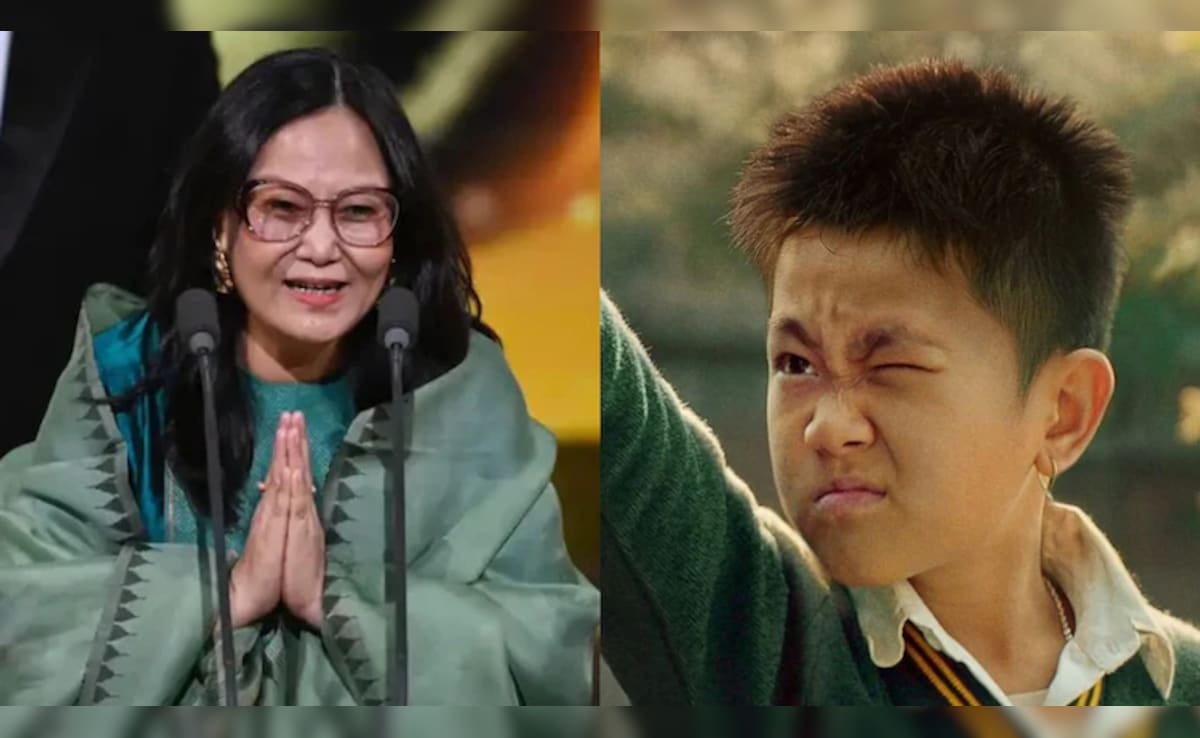
Boong Director Lakshmipriya Devi Reacts To Being Labelled A 'Northeastern' Filmmaker
📰 RSS Feed Image
📖 Table of Contents
🎬 Latest Development: "More Than a Label": Lakshmipriya Devi Challenges 'Northeastern Filmmaker' Tag
Identity, filmmaking, and gender perspective.
📋 What You Need to Know
Filmmaker Lakshmipriya Devi, director of the acclaimed film 'Boong', has ignited a crucial conversation within the Indian film fraternity by openly reacting to being frequently labelled a 'Northeastern filmmaker'. Her recent statements underscore a deeper frustration with geographical categorizations that often overshadow an artist's individual identity, unique vision, and universal themes. Devi emphasized that while her roots in Manipur profoundly shaped her worldview, particularly her understanding of gender dynamics, reducing her artistry to a regional tag can inadvertently limit perception and critical engagement. This nuanced discussion highlights the ongoing struggle for diverse voices in Indian cinema to be recognized for their distinct contributions rather than solely through the lens of their origin.
🎭 Complete Story
Lakshmipriya Devi's comments reflect a sentiment shared by many artists from India's diverse regions who feel their work is often pigeonholed. She asserted that while her Manipuri heritage is an undeniable part of who she is and informs her creative process, the "Northeastern" label can become a reductive descriptor. This label, she argues, risks grouping a vast and culturally distinct region under a single, often monolithic, identity, thereby flattening the rich tapestry of individual artistic expressions. Devi elaborated on how growing up in Manipur, a state with its own complex socio-political landscape and distinct cultural practices, profoundly influenced her perspective on gender. She spoke of witnessing unique gender roles, power dynamics, and societal expectations that differ significantly from mainstream Indian narratives, all of which find expression in her filmmaking.
📊 Industry Analysis
The debate sparked by Lakshmipriya Devi is emblematic of a larger discourse within the Indian film industry regarding representation, identity, and the challenges faced by regional cinema. For decades, the industry has predominantly been dominated by productions from Mumbai (Bollywood) and, to a lesser extent, Chennai (Kollywood) and Hyderabad (Tollywood), often overshadowing the vibrant cinematic traditions from other parts of the country. Filmmakers from regions like the Northeast, Kerala, Bengal, and others frequently struggle for national visibility, distribution, and critical attention. The "Northeastern filmmaker" label, while perhaps intended to acknowledge origin, often becomes a double-edged sword, serving to both identify and, at times, marginalize.
💬 Expert Commentary
"Lakshmipriya Devi's frustration with the 'Northeastern filmmaker' label is entirely understandable and critically important," states Dr. Anjana Sharma, a cultural critic specializing in Indian cinema. "Such labels, while seemingly innocuous, often carry implicit biases. They can prevent a film from being assessed on its universal artistic merits, instead framing it primarily as a cultural artifact from a specific, often exoticized, region. This limits its reach and engagement with a broader audience who might otherwise connect with its themes."
🔗 Related Context
The debate around regional identity in Indian cinema is not new. Filmmakers from various linguistic and geographical backgrounds have often grappled with how their work is perceived. For instance, Malayalam cinema, despite its critical acclaim and innovative storytelling, has often fought for pan-Indian recognition beyond its regional stronghold. Similarly, independent filmmakers from states like Assam, Goa, or even Punjab, often find themselves navigating the complexities of marketing their films to a national audience without losing their authentic voice. The issue extends beyond just 'Northeastern' labels, encompassing any categorization that risks essentializing an artist's identity. The push for greater diversity and inclusion in film festivals, funding bodies, and distribution networks is a direct response to these systemic issues, aiming to create a more equitable platform for all Indian cinematic voices, regardless of their origin.
🔍 Explore More Bollywood Content
Stay connected with the latest happenings in Hindi cinema:
Expert reviews and ratings of the latest Hindi films
Latest box office numbers and film business analysis
Comprehensive coverage of the Indian film industry
💡 Visit Hindi Cinema News for more.
🎯 Key Takeaways
Lakshmipriya Devi's candid reaction to being labelled a 'Northeastern filmmaker' serves as a potent reminder of the subtle yet significant biases that persist within the Indian film industry. Her assertion that her Manipuri upbringing profoundly shaped her perspective on gender, while not negating her identity, calls for a more nuanced appreciation of artists beyond restrictive geographical tags. The conversation she has initiated is vital for fostering an environment where filmmakers are celebrated for their individual vision, storytelling prowess, and the universal relevance of their themes, rather than being confined by regional pigeonholes. As Indian cinema continues to evolve and gain global recognition, recognizing and valuing the diverse, individual voices from every corner of the nation will be crucial for its true growth and inclusivity.
❓ Frequently Asked Questions
Q: When did this news break?
A: This story was reported today with comprehensive coverage as details emerge.
Q: What makes this significant?
A: This development represents an important moment in the Hindi film industry.
📢 Stay Updated
Don't miss breaking entertainment news! Follow us for real-time updates.
What's your take? Share your thoughts in the comments!
