
Nora Fatehi Row: Union Minister on Freedom of Speech Limits
🚨 Breaking Bollywood News Alert! Get the complete inside story. Updated March 18, 2026.
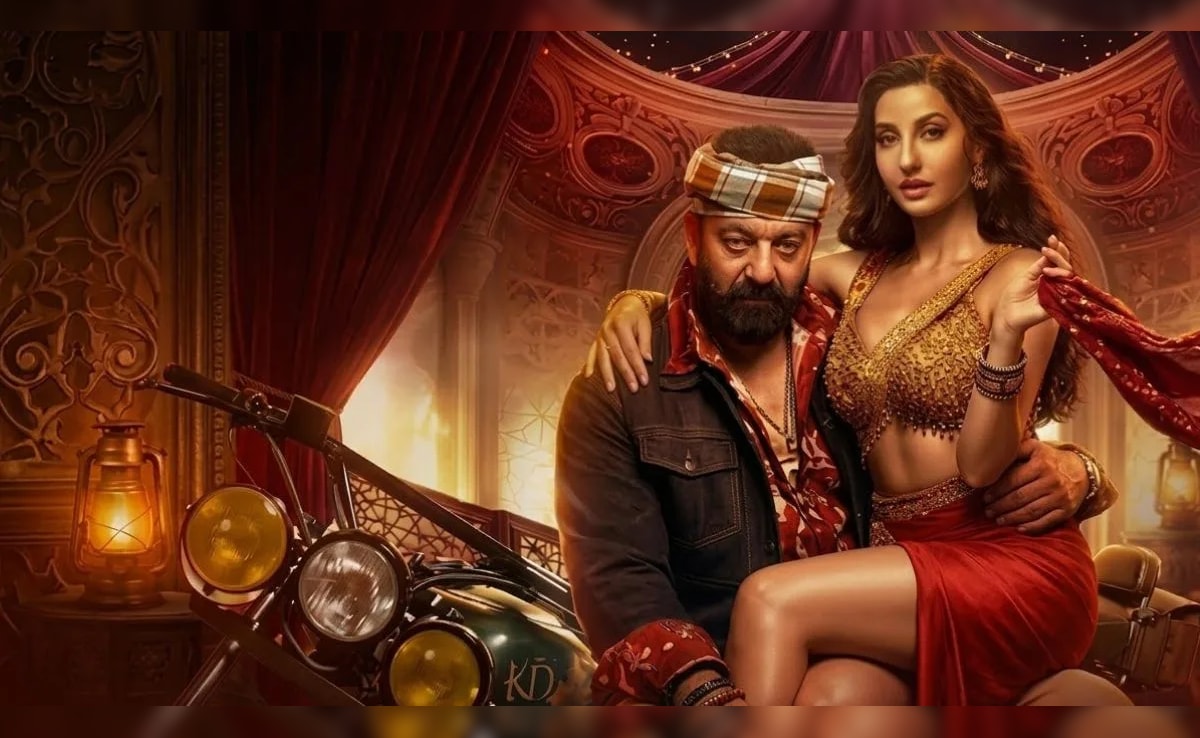
Nora Fatehi Vulgar Song Row: Union Minister Ashwini Vaishnaw Says, 'Freedom Of Speech Can't Be Absolute'
📰 RSS Feed Image
📖 Table of Contents
🎬 Latest Development: Nora Fatehi Vulgar Song Row: Union Minister Ashwini Vaishnaw Stresses Limits on Freedom of Speech
Speech Not Absolute: Vaishnaw
📋 What You Need to Know
The ongoing controversy surrounding Nora Fatehi's song 'Sarke Chunar' and its allegedly vulgar lyrics has now drawn the attention of Union Minister Ashwini Vaishnaw. Speaking in Lok Sabha on Wednesday, the Minister made a significant statement, asserting that "Freedom of Speech Can't Be Absolute" and must operate within the framework of culture and society. His remarks elevate the discussion from a mere celebrity scandal to a broader constitutional and societal debate, linking artistic expression to national values and public decency. This intervention by a government official underscores the gravity of the public outcry and signals a potential re-evaluation of how content is regulated and consumed in India, particularly when it comes to popular culture and its impact on societal norms.
🎭 Complete Story
Union Minister Ashwini Vaishnaw's comments in Lok Sabha come amidst a heightened public debate on the nature of content in Indian cinema and music, fueled by the 'Sarke Chunar' controversy. While not directly naming Nora Fatehi or the song, his statement was widely understood to be a response to the ongoing discussion about vulgarity in popular culture. Vaishnaw emphasized that while the Indian Constitution guarantees freedom of speech, this freedom is not unfettered. He articulated that it must be exercised responsibly, respecting the cultural ethos, traditional values, and societal sensitivities of the nation. "Freedom of speech should operate within the framework of culture and society," the Minister stated, highlighting the government's concern over content that potentially erodes public morality or cultural standards. This perspective suggests a governmental leaning towards advocating for self-regulation within the entertainment industry, with the implicit understanding that if the industry fails to police itself, external measures might be considered. His remarks are a clear indication that the government is observing these cultural debates closely and is prepared to weigh in when popular content is perceived to cross certain lines, affecting the broader social fabric.
📊 Industry Analysis
The Union Minister's intervention in the 'Sarke Chunar' controversy signals a critical juncture for the Indian entertainment industry. Historically, debates around censorship and artistic freedom have been contentious, with creators often pushing boundaries and authorities sometimes imposing restrictions. Vaishnaw's statement, particularly its emphasis on cultural and societal frameworks, suggests a renewed focus on content regulation and moral policing in popular media. This could lead to increased scrutiny from regulatory bodies and potentially influence the Central Board of Film Certification (CBFC) in its decisions regarding film and music content. For production houses and artists, this translates into a heightened need for self-censorship and a more cautious approach to lyrical and visual content, especially in mass-market releases. The industry will likely face pressure to align its creative output more closely with perceived national values, potentially impacting artistic experimentation and the portrayal of modern themes. This development also highlights the growing intersection of politics, culture, and entertainment, where governmental perspectives can significantly shape creative expression.
💬 Expert Commentary
"Union Minister Vaishnaw's statement is a significant reminder that in India, constitutional rights, including freedom of speech, are subject to reasonable restrictions," explains constitutional law expert, Dr. Arjun Reddy. "His linking of this freedom to 'culture and society' is a powerful legal and political argument often used to justify interventions in artistic expression. While it doesn't immediately translate into new laws, it certainly sets a tone and provides a strong signal to the entertainment industry that the government is monitoring public sentiment regarding content. This could empower cultural bodies and even individual citizens to demand stricter adherence to perceived moral standards. It places the onus on creators to be acutely aware of societal norms and their potential impact, encouraging a move towards content that is seen as culturally enriching rather than controversial, thereby limiting the space for provocative or edgy artistic choices."
🔗 Related Context
The debate over freedom of speech versus cultural sensitivities is a recurring theme in India, spanning across various artistic mediums from literature and visual arts to cinema and music. Past incidents involving controversial films, plays, or songs have often led to public protests, legal challenges, and governmental interventions. This current controversy, therefore, is not an isolated event but part of a larger, ongoing national conversation about the role of art in society and the boundaries of expression. The Minister's comments resonate with earlier calls for regulating digital content and streaming platforms, indicating a broader governmental intent to ensure that all forms of media adhere to certain cultural and ethical standards. It also reflects a global trend where governments are increasingly concerned about the impact of media on public discourse and national identity, often leading to debates about censorship and content control.
🔍 Explore More Bollywood Content
Stay connected with the latest happenings in Hindi cinema:
Latest box office numbers and film business analysis
Expert reviews and ratings of the latest Hindi films
Comprehensive coverage of the Indian film industry
💡 Visit Hindi Cinema News for more.
🎯 Key Takeaways
Union Minister Ashwini Vaishnaw's assertion that "Freedom of Speech Can't Be Absolute" in the context of the Nora Fatehi vulgar song row marks a pivotal moment for India's entertainment industry. His emphasis on operating within cultural and societal frameworks underscores the government's concern over content that challenges perceived national values. This intervention signals a heightened scrutiny on popular media, urging filmmakers and artists to exercise greater self-regulation and cultural sensitivity. While the exact implications remain to be seen, the Minister's words are a clear directive for the industry to balance creative freedom with social responsibility. As India navigates the complexities of modern media and traditional values, this statement will undoubtedly shape future discussions on artistic expression, content regulation, and the delicate equilibrium between creative liberty and societal expectations.
❓ Frequently Asked Questions
Q: When did this news break?
A: This story was reported today with comprehensive coverage as details emerge.
Q: What makes this significant?
A: This development represents an important moment in the Hindi film industry.
📢 Stay Updated
Don't miss breaking entertainment news! Follow us for real-time updates.
What's your take? Share your thoughts in the comments!
