
Nora Fatehi-Sanjay Dutt Song "Sarke Chunar" Faces Ban Call
🚨 Breaking Bollywood News Alert! Get the complete inside story. Updated March 17, 2026.
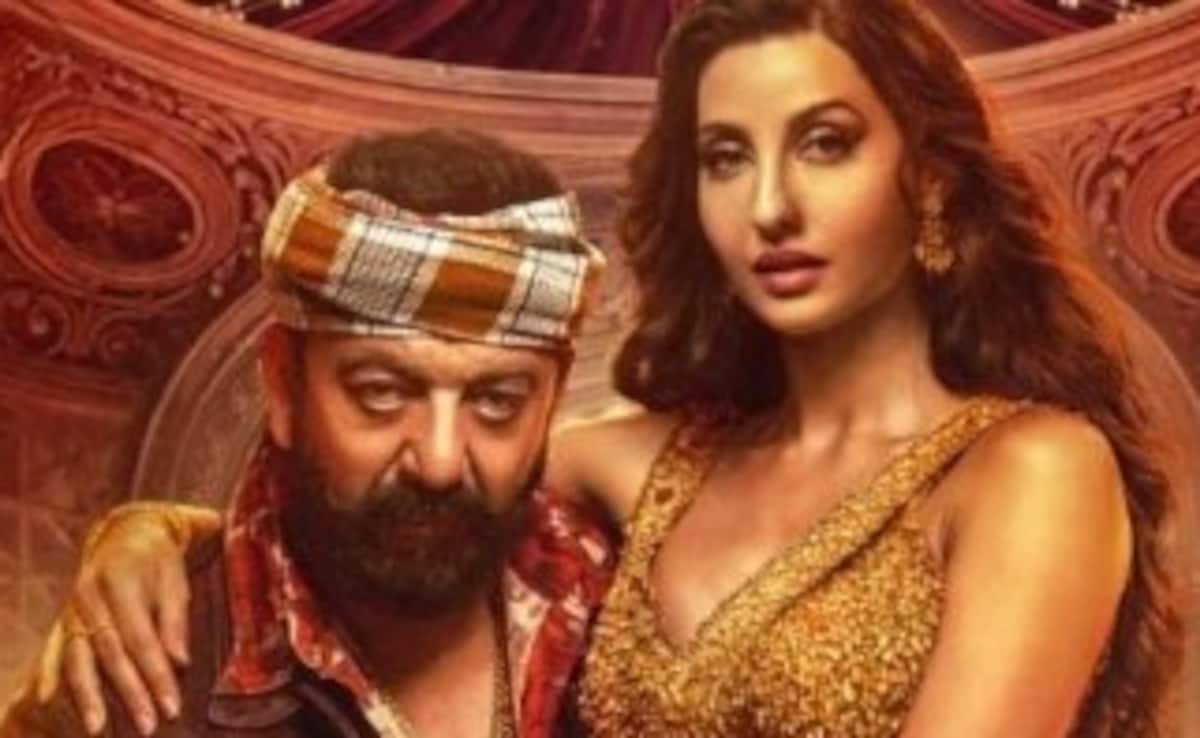
Nora Fatehi-Sanjay Dutt Song Sarke Chunar Faces Ban Over Vulgar Lyrics
📰 RSS Feed Image
📖 Table of Contents
🎬 Latest Development: Nora Fatehi-Sanjay Dutt Song 'Sarke Chunar' Faces Calls for Ban Over Allegedly Vulgar Lyrics; Complainant Urges Immediate Removal
Song sparks controversy, ban demanded
📋 What You Need to Know
The world of Bollywood music often thrives on catchy beats and captivating visuals, but sometimes, artistic expression crosses paths with public sentiment and moral policing. The latest track featuring Nora Fatehi and Sanjay Dutt, titled "Sarke Chunar," has found itself embroiled in a significant controversy, facing calls for an outright ban. A complainant has officially urged authorities to impose an immediate ban on the song and ensure its removal from all digital platforms, citing allegedly "vulgar lyrics." This incident reignites the perennial debate surrounding creative freedom versus perceived indecency in Indian entertainment, highlighting the powerful influence of public opinion and the readiness of certain groups to seek censorship. As "Sarke Chunar" battles for its place in the digital realm, the broader implications for artists and content creators in a sensitive cultural landscape come into sharp focus.
🎭 Complete Story
"Sarke Chunar," a highly anticipated song featuring the dynamic Nora Fatehi and veteran actor Sanjay Dutt, was poised to be another chartbuster, capitalising on Fatehi's dance prowess and Dutt's enduring appeal. However, its trajectory has been dramatically altered by a formal complaint alleging vulgarity in its lyrics. The complainant has escalated the matter, urging regulatory bodies and digital platforms to take swift action, including an immediate ban and complete removal of the song from all online channels. While the specific lines cited as "vulgar" have not been widely detailed, the accusation itself has been sufficient to ignite a public debate and draw significant attention to the track. This isn't an isolated incident in the Indian entertainment landscape; songs and films frequently face scrutiny over content deemed offensive, culturally inappropriate, or morally corrupt by certain sections of society. The demand for a ban on "Sarke Chunar" underscores the conservative undercurrents that often clash with modern artistic expression in India. For the creators, this presents a dilemma: whether to defend their artistic choices, modify the content, or risk alienating a segment of their audience and potential legal battles. The controversy highlights the delicate balance artists must strike between creative freedom and navigating a complex socio-cultural environment where traditional values often hold significant sway. The speed and intensity with which such complaints can escalate in the digital age also pose a unique challenge, making pre-emptive content sensitivity checks increasingly crucial for creators.
📊 Industry Analysis
The controversy surrounding "Sarke Chunar" is a stark reminder of the ongoing struggle between creative expression and censorship in the Indian music and film industry. India has a long history of moral policing and content regulation, from the Censor Board's strict guidelines for films to public outcry leading to modifications or bans of songs and TV shows. This incident reflects a broader trend where a single complaint, often amplified by social media, can gain significant traction and pressure authorities to act. The industry often operates under the shadow of potential backlash, leading to self-censorship or a cautious approach to themes and lyrics that might be deemed provocative. This can stifle innovation and limit artistic boundaries. For music labels and artists, a ban or removal from digital platforms can mean significant financial losses, not to mention reputational damage. The digital era, while offering unprecedented reach, also provides a direct conduit for public complaints, giving more power to individuals or groups who feel offended. This situation prompts a re-evaluation of content creation guidelines, public engagement strategies, and the role of platforms in mediating such disputes, without unduly curbing artistic freedom.
💬 Expert Commentary
"This 'Sarke Chunar' controversy isn't just about a song; it's a microcosm of the larger battle for creative freedom in India," states Dr. Rohan Mehta, a cultural critic and media studies professor. "The term 'vulgar lyrics' is incredibly subjective and often used as a pretext for moral policing. What one person finds offensive, another might see as harmless flirtation or artistic expression. The danger here lies in the precedent it sets: allowing a single complainant or a small group to dictate what millions can consume. The music industry, like film, operates within certain cultural parameters, but these parameters are constantly evolving. Demanding an outright ban and removal from all digital platforms is an extreme measure that bypasses dialogue and due process. It underscores the power of public sentiment, often fueled by social media, to influence cultural output. Artists and production houses need to be aware, but also resilient, in defending their creative integrity against such pressures, while platforms need clear, unbiased guidelines for handling content complaints without becoming arbiters of morality."
🔗 Related Context
The history of content censorship and demands for bans in Indian entertainment is long and varied. From the infamous "Choli Ke Peeche Kya Hai" in the 90s, which faced widespread outrage over its lyrics, to more recent controversies involving songs like "Munni Badnaam Hui" or even entire films like "Padmaavat" facing protests and demands for bans over historical inaccuracies or cultural sensitivities. The common thread is the perceived violation of traditional values or cultural norms. The "Sarke Chunar" incident also echoes international debates about free speech vs. offensive content, though the cultural context in India often lends itself to more swift and stringent demands for censorship. The complainant's call for removal from digital platforms reflects the modern battleground for content control, where platforms like YouTube, Spotify, and social media giants become key players in determining what can be seen and heard globally.
🔍 Explore More Bollywood Content
Stay connected with the latest happenings in Hindi cinema:
Comprehensive coverage of the Indian film industry
Expert reviews and ratings of the latest Hindi films
Latest box office numbers and film business analysis
💡 Visit Hindi Cinema News for more.
🎯 Key Takeaways
The controversy surrounding Nora Fatehi and Sanjay Dutt's song "Sarke Chunar," with calls for its immediate ban due to allegedly vulgar lyrics, serves as a potent reminder of the complex and often contentious relationship between artistic expression and public morality in India. This incident is more than just about a single song; it encapsulates the ongoing debate about creative freedom, censorship, and the powerful influence of public sentiment in shaping the cultural landscape. While the complainant's concerns are acknowledged, the demand for an outright ban raises critical questions about the subjective nature of "vulgarity" and the potential chilling effect on artistic innovation. As the digital age amplifies both creative reach and public reactions, artists, platforms, and audiences must engage in a more nuanced dialogue to navigate these challenges, ensuring that cultural sensitivity does not inadvertently stifle the very creativity that enriches our entertainment industry.
❓ Frequently Asked Questions
Q: When did this news break?
A: This story was reported today with comprehensive coverage as details emerge.
Q: What makes this significant?
A: This development represents an important moment in the Hindi film industry.
📢 Stay Updated
Don't miss breaking entertainment news! Follow us for real-time updates.
What's your take? Share your thoughts in the comments!
