
Ram Gopal Varma's 'Bhoot' Apartment Vacant After 23 Years
🚨 Breaking Bollywood News Alert! Get the complete inside story. Updated March 16, 2026.
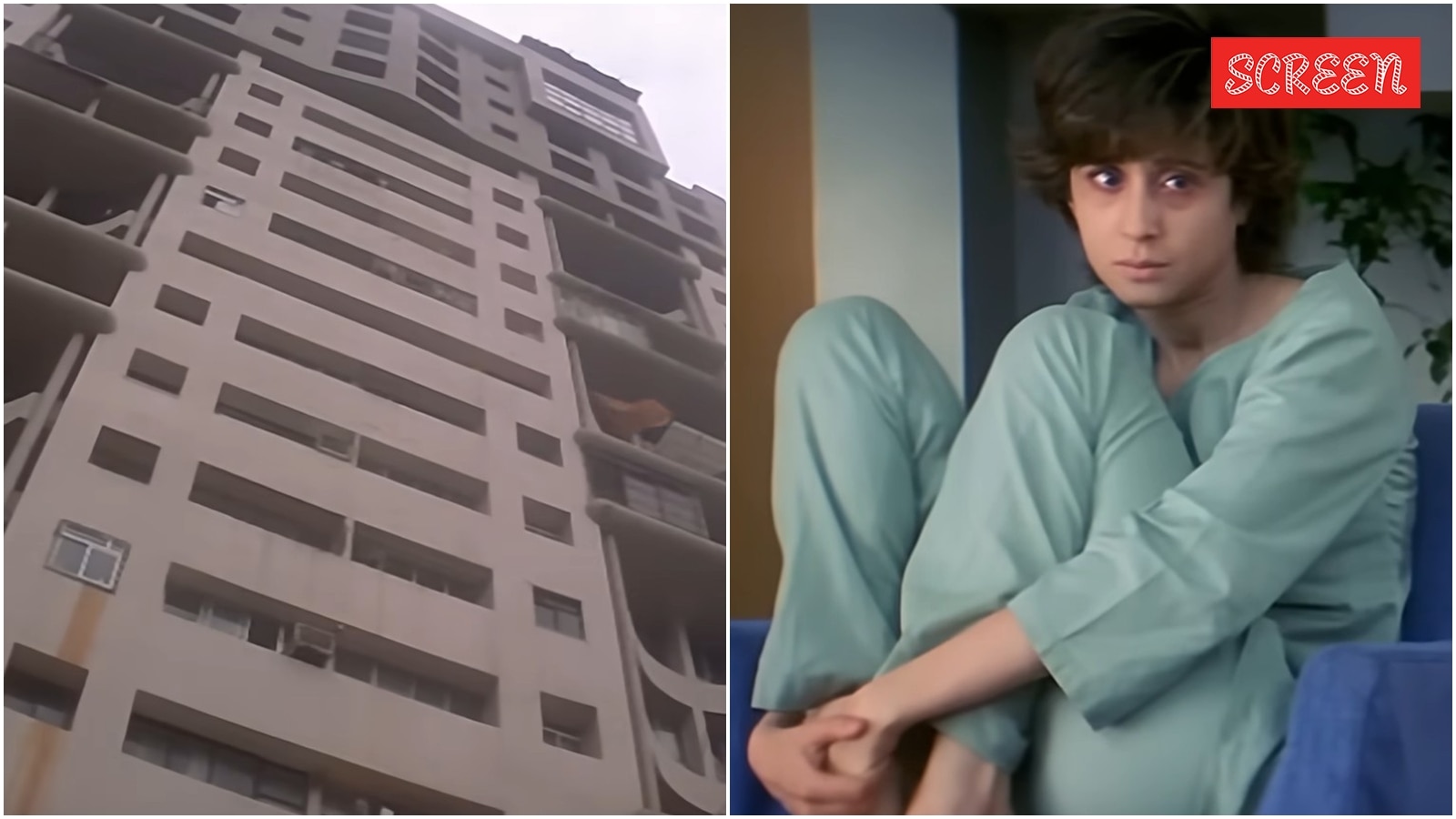
Bhoot apartment remains vacant even after 23 years, reveals Ram Gopal Varma: ‘Nobody wants to stay there’
📰 RSS Feed Image
📖 Table of Contents
🎬 Latest Development: The Real-Life 'Bhoot' Apartment Remains Vacant 23 Years On, Reveals Ram Gopal Varma: "Nobody Wants to Stay There"
Spooky apartment, real story
📋 What You Need to Know
Ram Gopal Varma’s 2003 psychological horror film "Bhoot" redefined the genre in Bollywood, terrifying audiences with its chilling narrative and groundbreaking use of sound and atmosphere. The film, starring Ajay Devgn and Urmila Matondkar, was a critical and commercial success, largely due to its realistic portrayal of a haunted apartment. What many fans might not realize is that the apartment featured in the film was a real location, a vacant flat in a Mumbai high-rise. Decades after the film's release, the apartment continues to hold a strange allure, with director Ram Gopal Varma recently revealing a fascinating, and somewhat eerie, detail: the apartment has remained vacant for 23 years, with "nobody wanting to stay there." This revelation blurs the lines between cinematic fiction and real-world perception, adding another layer of mystique to the enduring legacy of "Bhoot."
🎭 Complete Story
Ram Gopal Varma recently shared an intriguing update about the infamous apartment from his iconic horror film "Bhoot." He revealed that the actual flat used as the primary setting for the terrifying events in the film has been vacant for an astonishing 23 years. The director, known for his unconventional style and fascination with the macabre, stated, "Nobody wants to stay there," implying a lingering apprehension or perhaps a superstitious belief associated with the apartment due to its cinematic past. "Bhoot," released in 2003, meticulously crafted an atmosphere of dread within the confines of a seemingly ordinary Mumbai flat, where a young couple (Ajay Devgn and Urmila Matondkar) moves in, only to discover it’s haunted by a malevolent spirit. The film's success was largely attributed to its realistic setting and minimalist approach to horror, relying heavily on psychological tension rather than jump scares. The fact that the apartment has remained uninhabited for over two decades since the film's production adds a chilling, real-world dimension to its fictional narrative. It suggests that the powerful imagery and terrifying events depicted on screen may have left an indelible mark on potential occupants, making them wary of residing in a place so famously associated with fear. This revelation not only excites fans of the film but also sparks a broader discussion about the psychological impact of cinema on real-world locations and perceptions.
📊 Industry Analysis
Ram Gopal Varma's revelation about the "Bhoot" apartment highlights the profound psychological impact that cinema, particularly the horror genre, can have on real-world locations and public perception. This incident provides a unique case study on how a fictional narrative can imbue a physical space with an enduring aura, influencing its real-estate value and desirability. In an industry often focused on creating temporary illusions, "Bhoot" inadvertently created a lasting impression on a tangible property. This phenomenon isn't exclusive to "Bhoot"; many locations used in iconic horror films around the world gain a certain notoriety, becoming tourist attractions or, conversely, sites that people actively avoid. For the film industry, this anecdote underscores the power of storytelling and production design in shaping collective consciousness. It also touches upon the cultural nuances surrounding superstition and belief in the supernatural, especially in a country like India. The continued vacancy of the apartment, despite its likely prime location in Mumbai, suggests that the "curse" of the film's narrative has transcended the screen, demonstrating the potent and sometimes unexpected consequences of cinematic artistry on the real world.
💬 Expert Commentary
"The continued vacancy of the 'Bhoot' apartment is a fascinating testament to the power of cinematic storytelling," remarks Dr. Kavita Rao, a sociologist specializing in urban myths and cultural psychology. "When a film like 'Bhoot' so effectively instills fear and a sense of dread into a specific location, it creates a psychological barrier that can persist long after the credits roll. It blurs the lines between fiction and perceived reality for many." Real estate expert Sameer Gupta adds, "Even in a hyper-competitive market like Mumbai, properties with a notorious past, especially those linked to horror, often face unique challenges. The perceived 'bad karma' or a lingering spooky association can deter potential buyers or renters, regardless of the actual condition or location of the flat. It's a psychological premium or discount, depending on how you look at it." Film critic Anuj Sharma observes, "This anecdote only adds to the legend of 'Bhoot' and Ram Gopal Varma's genius. He didn't just make a film; he inadvertently created a real-world monument to its chilling narrative. It's an unexpected but powerful legacy for a horror movie."
🔗 Related Context
The "Bhoot" apartment's story resonates with other instances where real-life locations gained infamy or a cult following due to their association with films. From the Amityville Horror house to the Exorcist steps, cinematic history is replete with examples of properties forever linked to their on-screen depictions. This specific case also highlights Ram Gopal Varma's unique directorial approach, often blending realism with psychological thrills, which made "Bhoot" such a potent film. His ability to create an immersive and believable horror experience, even in a mundane setting, is what contributed to the film's lasting impact and, perhaps, the apartment's current predicament. The reluctance of people to occupy the flat, despite the passage of time, also speaks to the persistent nature of superstitions and the deep-seated human fear of the unknown, especially when reinforced by powerful media narratives. This narrative adds a layer of eerie authenticity to the film's legend.
🔍 Explore More Bollywood Content
Stay connected with the latest happenings in Hindi cinema:
Exclusive stories about your favorite Bollywood stars
Inside stories and exclusive Bollywood entertainment news
First look at movies coming soon to theaters
💡 Visit Hindi Cinema News for more.
🎯 Key Takeaways
Ram Gopal Varma's recent revelation that the apartment featured in his seminal horror film "Bhoot" has remained vacant for 23 years is a captivating and somewhat chilling testament to the enduring power of cinema. This fascinating detail blurs the boundaries between the silver screen and reality, showcasing how a potent narrative can leave a lasting psychological imprint on a physical space. The fact that "nobody wants to stay there" underscores the deep-seated human fear and superstition that can be evoked and sustained by effective storytelling, even decades after the film's release. This unique real-estate saga not only adds to the mystique of "Bhoot" but also serves as a compelling reminder of how art can profoundly influence our perception of the world around us, proving that sometimes, the most terrifying stories can have very real, and very long-lasting, consequences.
❓ Frequently Asked Questions
Q: When did this news break?
A: This story was reported today with comprehensive coverage as details emerge.
Q: What makes this significant?
A: This development represents an important moment in the Hindi film industry.
📢 Stay Updated
Don't miss breaking entertainment news! Follow us for real-time updates.
What's your take? Share your thoughts in the comments!
