
Vivek Sinha on Dhurandhar Backlash: "Not a Terrorist"
🚨 Breaking Bollywood News Alert! Get the complete inside story. Updated March 17, 2026.
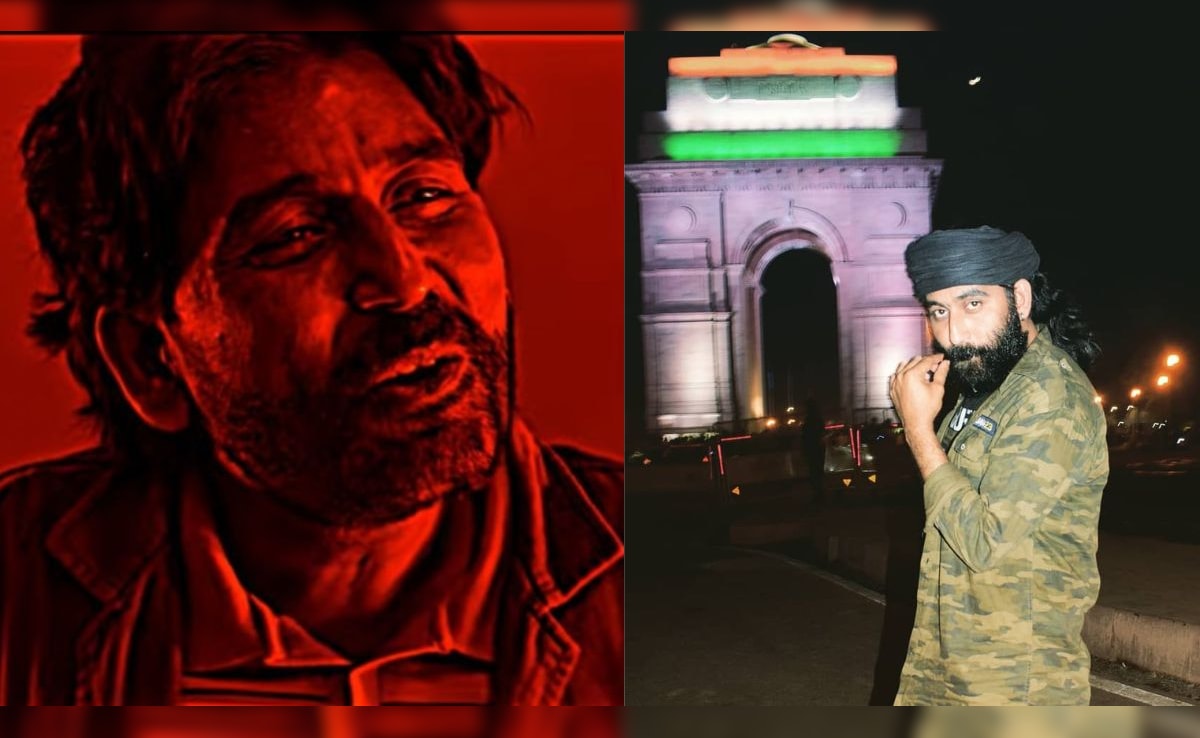
"Not Pakistani, Not A Terrorist": Dhurandhar Actor Who Played Hijacker Reacts To Backlash
📰 RSS Feed Image
📖 Table of Contents
🎬 Latest Development: "Not Pakistani, Not A Terrorist": Dhurandhar Actor Vivek Sinha Reacts to Intense Backlash Over Hijacker Role
Actor faces identity-role confusion
📋 What You Need to Know
The world of cinema often blurs the lines between reality and fiction, but for actors, this can sometimes lead to unforeseen personal challenges. Vivek Sinha, who powerfully portrayed Zahoor Mistry, one of the hijackers of Indian Airlines flight IC-814 in the recent film "Dhurandhar," is currently navigating a significant wave of public backlash. His portrayal, while praised for its intensity, has unfortunately led to a concerning conflation of the actor with his villainous on-screen persona. Sinha's poignant reaction, encapsulated in his plea, "Not Pakistani, Not A Terrorist," highlights a deeper societal issue concerning typecasting, national identity, and the audience's perception of fictional characters versus the real individuals behind them. This incident sparks a crucial conversation about the responsibilities of both creators and viewers in a hyper-connected world.
🎭 Complete Story
Vivek Sinha's performance as Zahoor Mistry in "Dhurandhar" was undoubtedly a challenging role, requiring him to delve into the psyche of a character responsible for a heinous act of terror – the 1999 hijacking of Indian Airlines flight IC-814. While critics largely lauded his immersive and chilling portrayal, the subsequent public reaction has been far from celebratory. Sinha has reportedly faced a barrage of negative comments, social media targeting, and even real-world ostracization, with many viewers seemingly unable to distinguish the actor from the morally reprehensible character he brought to life. The core of the backlash appears to stem from a troubling assumption that Sinha, a professional actor, somehow embodies the ideology or nationality of Zahoor Mistry. His impassioned statement, "Not Pakistani, Not A Terrorist," directly addresses this dangerous misidentification, revealing the personal toll such public condemnation can take. This incident underscores a persistent problem within the entertainment industry where actors, particularly those portraying antagonists, are unfairly stereotyped or made to bear the brunt of public anger intended for the fictional villain. The role of Zahoor Mistry, a figure associated with a traumatic national event, naturally evokes strong emotions, yet directing these emotions at the actor rather than the character or the historical context represents a concerning trend in audience engagement. Sinha's experience serves as a stark reminder of the fine line actors walk, especially when tackling sensitive or controversial subjects that resonate deeply with collective memory and identity. His struggle to reclaim his individual identity beyond the shadow of a fictional terrorist character reveals the challenges of artistic expression in a society grappling with its own historical wounds and biases.
📊 Industry Analysis
The phenomenon of actors being typecast or experiencing public blowback for intense roles is not new, but Vivek Sinha's case with "Dhurandhar" brings it into sharp focus within the context of contemporary Indian cinema and social media. Historically, actors who have portrayed iconic villains, from Amrish Puri's Mogambo to Heath Ledger's Joker, have often faced challenges in shedding those powerful images. However, Sinha's experience is exacerbated by the specific nature of his role – a terrorist linked to a real-life national tragedy, further complicated by implied national identity. This incident raises critical questions about actor welfare, the psychological impact of playing dark roles, and the industry's responsibility in managing audience perception. Filmmakers and production houses often celebrate an actor's ability to disappear into a character, yet there's often less discussion about how to help them re-emerge without collateral damage to their public image or personal well-being. The rise of social media amplifies these challenges, turning individual reactions into viral movements, often without the nuance or context necessary for healthy discourse. The industry needs to foster a culture where such performances are appreciated for their craft, not conflated with the actor's real-life identity or beliefs. This requires greater public education on the art of acting and a more robust support system for actors navigating the aftermath of powerful, yet controversial, roles.
💬 Expert Commentary
"Vivek Sinha's predicament highlights a critical disconnect between cinematic portrayal and audience understanding," states Dr. Anjali Sharma, a leading media psychologist. "When an actor embodies a character as historically charged as a terrorist involved in IC-814, the lines can easily blur for some viewers. This isn't just about typecasting; it's about the psychological transfer of anger and trauma from the event and the character onto the performer. Sinha's statement 'Not Pakistani, Not A Terrorist' is a desperate plea for his individual identity to be recognized beyond the role. It underscores the urgent need for media literacy. Audiences must be trained to differentiate between the actor's craft and the character's actions. Furthermore, production houses have a moral responsibility to support their actors post-release, especially for roles that are highly sensitive or potentially polarizing. This could involve public statements, interviews clarifying the actor's intent, or even psychological support. The current social media landscape means such backlashes can be intense and widespread, making it even more challenging for an actor to navigate without institutional backing."
🔗 Related Context
The challenge faced by Vivek Sinha echoes similar instances where actors have struggled with the public's inability to separate fiction from reality. In Hollywood, actors like Jack Gleeson, who played the universally despised Joffrey Baratheon in "Game of Thrones," famously took a hiatus from acting due to the intensity of public hatred directed at his character. Closer to home, actors portraying villains in mythological dramas or historical epics have often reported being verbally abused in public or having their personal lives scrutinised through the lens of their on-screen persona. What makes Sinha's case particularly sensitive is the real-world historical event (IC-814 hijacking) and the politically charged nature of the character's alleged nationality, intertwining artistic performance with deeply rooted national sentiments and prejudices. This convergence creates a potent cocktail of public emotion that is difficult for any individual to withstand, underscoring the broader societal implications when art intersects with trauma and identity. The phenomenon reflects a broader trend of diminished critical distance in digital spaces, where immediate emotional reactions often override rational analysis of artistic intent.
🔍 Explore More Bollywood Content
Stay connected with the latest happenings in Hindi cinema:
Exclusive stories about your favorite Bollywood stars
Expert reviews and ratings of the latest Hindi films
Inside stories and exclusive Bollywood entertainment news
💡 Visit Hindi Cinema News for more.
🎯 Key Takeaways
Vivek Sinha's experience following his role in "Dhurandhar" serves as a powerful and poignant reminder of the intricate relationship between actor, character, and audience in contemporary cinema. His heartfelt plea, "Not Pakistani, Not A Terrorist," transcends a mere celebrity complaint, bringing to light the profound challenges actors face when their craft is conflated with the darkest aspects of their roles, particularly those rooted in real-life tragedies. This incident compels us to reflect on media literacy, the ethics of public discourse, and the responsibility of both the entertainment industry and its consumers. As films continue to explore complex and controversial subjects, it becomes increasingly vital for audiences to cultivate the ability to differentiate between the art and the artist. Sinha's situation is a call to action for greater empathy, understanding, and a more nuanced appreciation of the demanding work that goes into bringing diverse characters, even the most villainous, to life on screen, without penalizing the individual behind the performance.
❓ Frequently Asked Questions
Q: When did this news break?
A: This story was reported today with comprehensive coverage as details emerge.
Q: What makes this significant?
A: This development represents an important moment in the Hindi film industry.
📢 Stay Updated
Don't miss breaking entertainment news! Follow us for real-time updates.
What's your take? Share your thoughts in the comments!
