
Uzair Baloch & Arshad Pappu: Lyari's Bloody Turning Point
🚨 Breaking Bollywood News Alert! Get the complete inside story. Updated April 3, 2026.
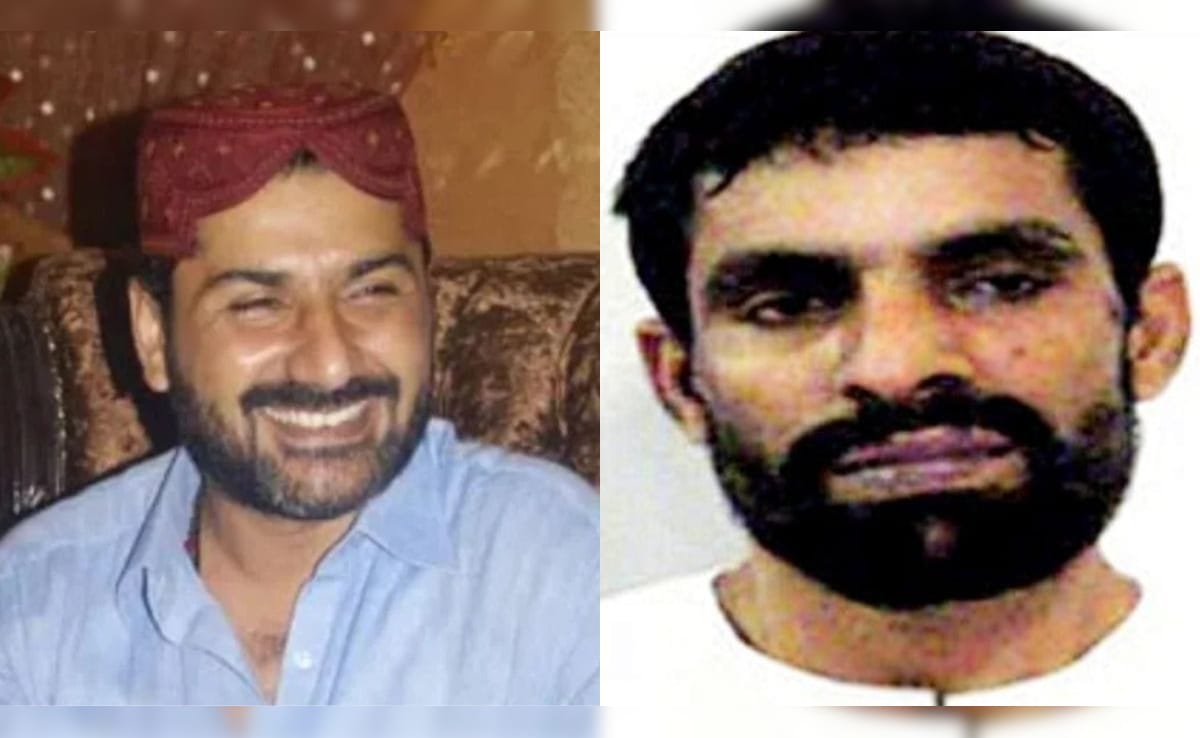
Beyond Dhurandhar 2: How Uzair Baloch Killed Arshad Pappu And Changed The Map Of Lyari
📰 RSS Feed Image
📖 Table of Contents
🎬 Latest Development: Beyond Dhurandhar 2: How Uzair Baloch's Vengeance Reshaped Lyari's Underworld
Lyari's brutal history redefined.
📋 What You Need to Know
March 2013 marked a seismic shift in the volatile landscape of Lyari, a sprawling, densely populated neighbourhood in Karachi, Pakistan, often synonymous with gang warfare and political intrigue. The brutal killing of Arshad Pappu, a notorious gang leader, was more than just another casualty in a long-running feud; it was a meticulously orchestrated act of vengeance, a chilling display of power by Uzair Baloch. This event, far from being a simple gangland execution, was a complex tapestry woven with threads of personal vendetta, territorial ambition, and a desperate struggle for control that fundamentally altered the dynamics of Lyari's underworld and left an indelible mark on its history. The repercussions echoed far beyond the narrow alleys where the drama unfolded, signifying a new chapter of violence and dominance.
🎭 Complete Story
The events leading up to Arshad Pappu's demise were a culmination of years of intense rivalry and bloodshed between the two most formidable factions in Lyari: the Peoples Aman Committee (PAC), led by Uzair Baloch, and the gang associated with Pappu. Arshad Pappu, son of the infamous Rahimullah alias Rahim Phathan, had inherited a legacy of ruthlessness and control over significant swathes of Lyari. His family's history was deeply intertwined with the area's criminal fabric, making him a formidable opponent. Uzair Baloch, on the other hand, had risen to power following the assassination of his own father, Faiz Mohammad, allegedly by Pappu's men. This personal tragedy fueled a profound desire for revenge, transforming a territorial dispute into a deeply personal blood feud. The killing of Pappu, along with his brother Yasir Arafat and aide Shera Pathan, was a highly symbolic act. Reports suggest they were lured to a meeting under false pretenses, captured, tortured, and then brutally murdered. Their bodies were dismembered and paraded through the streets, a grotesque spectacle designed to instill terror and assert absolute dominance. This public display wasn't merely about eliminating rivals; it was a declaration, a warning to any who dared challenge Uzair Baloch's supremacy. The sheer brutality and public nature of the act solidified Uzair Baloch's reputation as Lyari's undisputed kingpin, at least for a period, and plunged the area into a new era of fear and uncertainty.
📊 Industry Analysis
The Lyari gang war, often described as an urban conflict, has had profound implications for Karachi's socio-economic fabric. The rise and fall of figures like Uzair Baloch and Arshad Pappu are symptomatic of deeper structural issues, including political patronage, weak law enforcement, and widespread unemployment, which create fertile ground for criminal enterprises. The "Dhurandhar" analogy suggests a continuation of a brutal saga, a cyclical pattern of violence where one dominant figure replaces another, often through equally violent means. The control of Lyari's gangs extended beyond extortion and drug trafficking; they often acted as quasi-governing bodies, providing parallel justice systems and welfare services, thereby cementing their hold over the local population. This symbiotic relationship between crime and community, often exploited by political parties for electoral gains, complicates efforts to restore peace and order. The events of March 2013 highlighted the state's failure to maintain law and order effectively, allowing powerful non-state actors to dictate terms. The resulting power vacuum and subsequent consolidation by Uzair Baloch led to an escalation of violence and further marginalized the residents of Lyari, trapping them in a cycle of fear and instability, which continues to challenge urban governance and security paradigms in Pakistan.
💬 Expert Commentary
"The killing of Arshad Pappu by Uzair Baloch was a watershed moment, not just for Lyari but for understanding urban gang dynamics in mega-cities like Karachi," explains Dr. Aisha Khan, a sociologist specializing in urban conflict. "It wasn't merely a power struggle; it was a performance of power, a brutal theater designed to send an unequivocal message. Baloch understood that in Lyari's context, fear could be a more potent tool than loyalty. This act of extreme violence fragmented existing criminal networks and forced a realignment of alliances, effectively redrawing the map of control within the area. What we witnessed was the complete subjugation of one faction by another, leaving a legacy of trauma and mistrust that persists to this day. The state's intermittent interventions often failed to address the root causes, allowing these cycles of violence to re-emerge."
🔗 Related Context
The Lyari gang war is deeply embedded in the broader political history of Karachi, a city known for its ethnic, political, and sectarian divisions. The rise of figures like Uzair Baloch and the downfall of others like Arshad Pappu cannot be viewed in isolation. They are often linked to political parties who have historically used these gangs for electoral intimidation, land grabbing, and maintaining spheres of influence. The Lyari conflict mirrors other urban gang conflicts globally, where marginalized communities become battlegrounds for power, resources, and often, political proxy wars. The state's eventual crackdown on these gangs, including the Rangers-led operation in Karachi, aimed to dismantle these criminal networks. However, the deep-seated issues of poverty, lack of opportunity, and political manipulation that fueled these conflicts remain significant challenges, indicating that while individuals may fall, the underlying conditions that foster such violence often persist.
🔍 Explore More Bollywood Content
Stay connected with the latest happenings in Hindi cinema:
Expert reviews and ratings of the latest Hindi films
Latest box office numbers and film business analysis
First look at movies coming soon to theaters
💡 Visit Hindi Cinema News for more.
🎯 Key Takeaways
The brutal killing of Arshad Pappu in March 2013 by Uzair Baloch was a pivotal moment, etching itself into the annals of Lyari's tumultuous history. It was a dramatic culmination of personal vengeance, territorial ambition, and a raw display of power that irrevocably altered the balance of control within the notorious neighbourhood. Beyond the immediate bloodbath, this event served as a stark indicator of the deep-seated socio-political complexities plaguing Karachi, where criminal enterprises often fill the void left by inadequate governance. While the key figures involved have faced their respective fates, the legacy of this brutality continues to shape perceptions and realities in Lyari. Understanding this episode is crucial not only for grasping the intricacies of urban gang warfare but also for comprehending the broader challenges of peace, justice, and effective governance in Pakistan's largest city. The 'map' of Lyari's power structure was indeed redrawn, but the underlying tensions remain.
❓ Frequently Asked Questions
Q: When did this news break?
A: This story was reported today with comprehensive coverage as details emerge.
Q: What makes this significant?
A: This development represents an important moment in the Hindi film industry.
📢 Stay Updated
Don't miss breaking entertainment news! Follow us for real-time updates.
What's your take? Share your thoughts in the comments!
