
Bollywood's Silence: Fawad Khan Row & Ashoke Pandit's Warning
🚨 Bollywood News Update — 2026-11-27
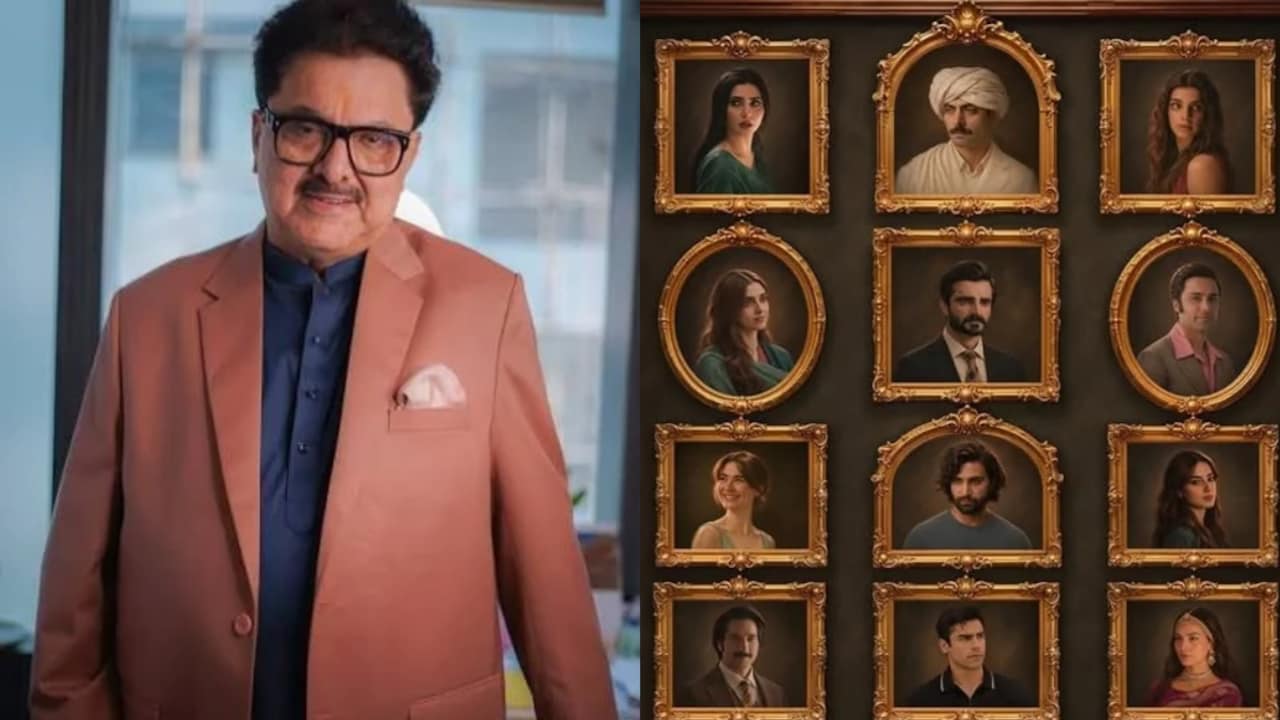
🎬 Latest Development: Ashoke Pandit Questions Bollywood's Silence on Fawad Khan Series Amidst Netflix Row
Industry's Silence, Nationalist Sentiments
📋 What You Need to Know
The Indian entertainment industry is once again embroiled in a contentious debate, as filmmaker and Indian Film and Television Directors' Association (IFTDA) President, Ashoke Pandit, has sharply criticized Bollywood's silence regarding Pakistani actor Fawad Khan's recent series on Netflix. This controversy reignites long-standing discussions about cross-border artistic collaborations and national sentiments, particularly in the wake of the 2016 ban on Pakistani artists working in India. Pandit's strong condemnation is amplified by a warning directed at Netflix India, threatening a "non-cooperation directive" if the streaming giant fails to acknowledge and respect India's national sentiments. This development places both Bollywood and Netflix in a precarious position, forcing them to navigate the complex interplay of artistic freedom, public opinion, and geopolitical sensitivities.
🎭 Complete Story
The core of the current controversy revolves around the streaming of a Pakistani series featuring actor Fawad Khan on Netflix India. Ashoke Pandit, a prominent voice within the Indian film fraternity, has vociferously questioned why Bollywood, an industry often lauded for its unity and vocal stances on various issues, has remained conspicuously silent on this matter. Pandit's criticism stems from the widely observed ban on Pakistani artists working in India, a directive that gained significant traction following the Uri attack in 2016. He argues that allowing a Pakistani actor's work to be streamed on an Indian platform, especially one as influential as Netflix, undermines the collective sentiment and the previous industry consensus against such collaborations. Pandit’s statements highlight a perceived double standard, where a ban exists, yet content featuring banned artists finds its way to Indian audiences through digital platforms.
The situation escalated further with a direct warning issued to Netflix India. Ashoke Pandit explicitly stated, "If Netflix India fails to respect our national sentiments, we will initiate a non-cooperation directive." This is a significant threat, implying potential boycotts, protests, or other forms of non-cooperation from various industry bodies, which could severely impact Netflix's operations and content acquisition strategies in India. The warning underscores the powerful influence of cultural and nationalist sentiments on business decisions within the Indian market. The Maharashtra Navnirman Sena (MNS) also added its weight to the protest, further pressuring Netflix. These warnings put Netflix in a difficult spot: balancing global content offerings with local sensitivities and political pressures. The streaming giant now faces the challenge of either withdrawing the series, risking accusations of censorship and bowing to political pressure, or maintaining it, potentially alienating a significant segment of its Indian audience and inviting direct confrontation from influential industry figures and political groups. The controversy also brings to the forefront the blurred lines between traditional cinematic releases and the relatively unregulated world of OTT platforms, prompting calls for greater scrutiny and adherence to national directives on digital content.
📊 Industry Analysis
Bollywood's recurring silence on politically charged or nationally sensitive issues is a well-documented phenomenon, often sparking public debate and criticism. Historically, the industry has shown a tendency to either remain neutral or offer muted responses when confronted with controversies that could potentially alienate segments of its diverse audience or incur the wrath of political entities. This strategic ambiguity is often attributed to the inherent commercial risks involved in taking a definitive stance. Filmmakers, actors, and producers operate within a complex ecosystem where box office success, government clearances, and public perception are paramount. Voicing strong opinions on sensitive topics like cross-border artistic collaborations can lead to boycotts, protests, and even censorship, directly impacting a project's financial viability and an individual's career trajectory.
In the past, there have been instances where Bollywood figures who expressed dissenting views faced significant backlash, reinforcing a culture of cautious self-preservation. The 2016 ban on Pakistani artists itself was a major flashpoint, with some industry veterans initially supporting cross-border talent exchange, only to retreat under immense public and political pressure. This current silence on Fawad Khan's series on Netflix reflects a continuation of this pattern. While some might argue for artistic freedom and the global nature of streaming content, the dominant sentiment within the industry appears to be one of avoiding direct confrontation with nationalist groups or government directives. This collective silence, however, is not without its consequences, often leading to accusations of hypocrisy or a lack of moral courage from external observers, including figures like Ashoke Pandit. The fear of being targeted, either by political parties or social media mobs, often outweighs the desire to defend artistic principles, shaping Bollywood's conservative public stance on such matters.
💬 Expert Commentary
Ashoke Pandit's critique of Bollywood's silence is not merely an isolated opinion but reflects a significant segment of industry and public sentiment. From his perspective as the IFTDA President, he champions a stance that prioritizes national sentiments and adherence to previous industry decisions. "When a clear directive was issued regarding Pakistani artists, the industry largely agreed. To then silently allow their work to be showcased on platforms catering to Indian audiences, especially when our own artists face restrictions, feels like a betrayal of that understanding," Pandit emphasized. He believes that Bollywood has a responsibility to uphold the sentiments of the nation, particularly when it comes to issues of cross-border relations that have historically been fraught with tension.
This perspective highlights a fundamental conflict: the global, borderless nature of digital streaming versus the deeply rooted nationalistic sentiments prevalent in India. While some might argue for the universality of art, Pandit and those who align with his views contend that national sovereignty and respect for collective public opinion must take precedence, especially for platforms operating within Indian territory. The "non-cooperation directive" threat is not just symbolic; it underscores the potential power of industry bodies to mobilize against entities perceived as disrespecting national boundaries or sentiments. This puts Netflix in a challenging position, as it navigates its global content strategy with the localized political and cultural sensitivities of a crucial market like India. The silence from other Bollywood figures, according to Pandit, is a testament to either apathy or a calculated avoidance of controversy, rather than a principled stand for artistic freedom.
🎯 Key Takeaways
The ongoing controversy surrounding Fawad Khan's series on Netflix, spearheaded by Ashoke Pandit's sharp criticism and warnings, underscores a complex interplay of national sentiment, artistic freedom, and industry pragmatism in India. Bollywood's conspicuous silence reflects a historical pattern of navigating sensitive issues with caution, prioritizing commercial viability and avoiding political entanglement. However, this silence also draws accusations of a lack of conviction and a failure to uphold principles, especially when contrasted with the strong stance taken by figures like Pandit and groups like the MNS. For Netflix India, the situation presents a significant challenge: balancing its role as a global content provider with the imperative to respect local "national sentiments" or face potential industry-wide non-cooperation. The outcome will not only define the immediate fate of the series but also potentially reshape how international streaming platforms operate within India's unique cultural and political landscape, influencing content acquisition, censorship debates, and the future of cross-border artistic collaborations in the digital age.
📢 Stay Updated
Follow Hindi Cinema News for entertainment updates. Share your thoughts in the comments.
