
Khushbu Sundar Opposes Fawad Khan Series on Netflix India
🚨 Bollywood News Update — 2026-11-27
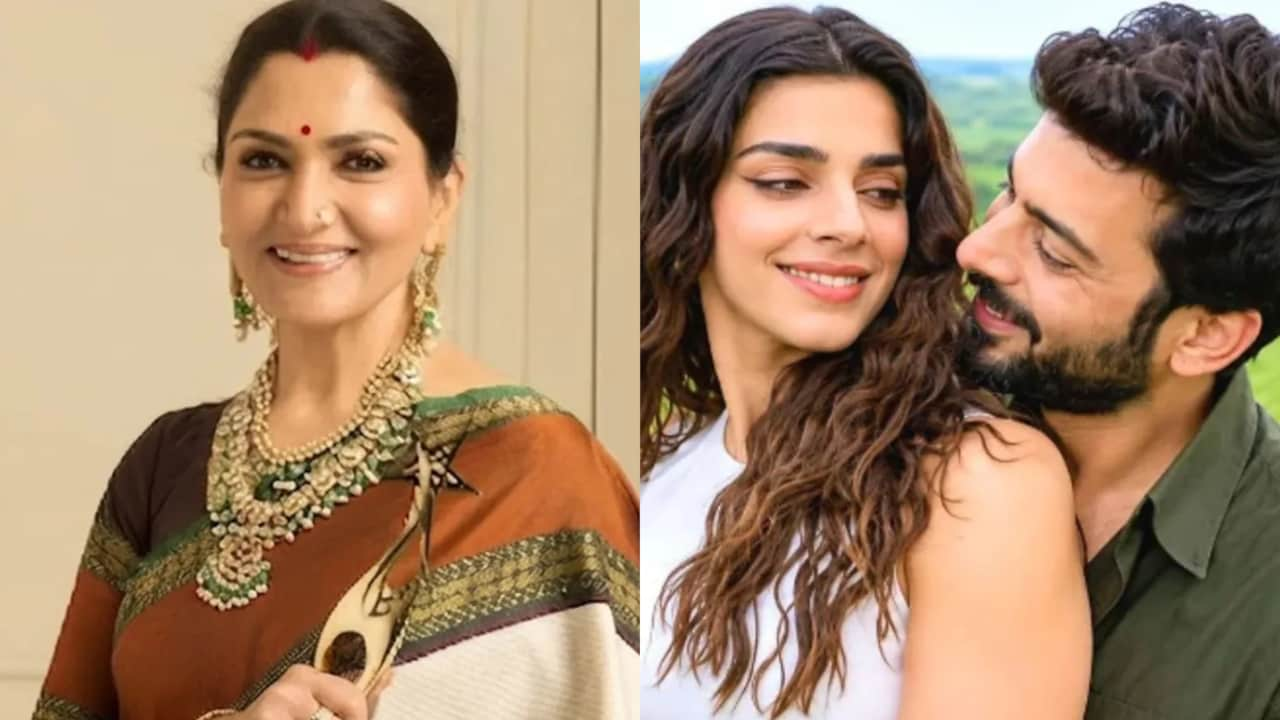
🎬 Latest Development: Khushbu Sundar Ignites Debate: Why Fawad Khan's Netflix Series Faces Opposition in India
Sundar Opposes Pakistani Series on Netflix
📋 What You Need to Know
Veteran actress and politician Khushbu Sundar has sparked a significant debate by openly opposing the telecast of a series featuring Pakistani actor Fawad Khan on Netflix India. Her strong statement draws a direct parallel between cultural exchange and political tensions, asserting, "If cricket between the two countries is not allowed to be played in India, then this show shouldn't be telecast either." This stance highlights the deeply entrenched sentiments surrounding India-Pakistan relations, extending beyond sports and into the realm of entertainment. Sundar’s comments bring to the forefront the complex challenge faced by global streaming platforms like Netflix in navigating geopolitical sensitivities while curating content for diverse national audiences. The controversy underscores the ongoing tension between artistic freedom and nationalistic sentiments.
🎭 Complete Story
Khushbu Sundar's unequivocal opposition to Fawad Khan's series on Netflix India stems from a deeply nationalistic perspective, directly linking cultural imports from Pakistan to the unresolved political hostilities between the two nations. Her "cricket analogy" is particularly potent, resonating with a segment of the Indian populace that views any form of cultural exchange as a tacit normalization of relations, which they believe is unwarranted given past and ongoing cross-border issues. This sentiment is rooted in the history of strained diplomatic ties, which have often led to restrictions on cultural, sporting, and artistic collaborations. Following significant geopolitical events, there have been widespread calls to boycott Pakistani artists and content in India, leading to periods where Pakistani actors and singers found it difficult to work in Bollywood.
Sundar's argument taps into this established pattern, suggesting that if sporting events – a seemingly neutral ground for engagement – are suspended due due to political reasons, then digital entertainment platforms should also adhere to similar restrictions. For Netflix India, this presents a unique dilemma. As a global platform, its mandate often involves offering a wide array of international content to its subscribers. However, operating in a market as sensitive and vast as India requires careful consideration of local political and social sentiments. Telecasting content from Pakistan, even if produced by an international entity and featuring globally recognized stars like Fawad Khan, can quickly become a flashpoint, inviting public backlash and political pressure. The debate highlights the delicate balance streaming services must strike between global content strategies and hyper-local political realities, where audience reception can be heavily influenced by nationalistic fervor rather than purely artistic merit. This opposition isn't merely about a show; it's a reflection of deeper geopolitical rifts impacting cultural consumption.
📊 Industry Analysis
The controversy surrounding Fawad Khan's series on Netflix India serves as a crucial case study for the global streaming industry, particularly in markets defined by complex geopolitical relationships. For Over-The-Top (OTT) platforms, the challenge lies in balancing their global content acquisition strategies with the intense local sentiments that can quickly escalate into national debates. Netflix, with its vast library and international presence, often champions diversity and cross-cultural content. However, in regions like the Indian subcontinent, such initiatives frequently encounter political roadblocks. The rise of digital nationalism means that content decisions are no longer purely about entertainment value or subscriber growth; they are increasingly scrutinized through a political lens.
Streaming services are under constant pressure to curate content that appeals to a broad demographic while avoiding controversies that could alienate significant segments of their audience or invite government intervention. This is particularly true for platforms operating in India, where the entertainment industry is often intertwined with national identity and political discourse. The Khushbu Sundar incident highlights the commercial risk of overlooking such sensitivities. A public outcry can lead to boycotts, subscriber churn, and even regulatory challenges, impacting a platform's long-term viability in a competitive market. Furthermore, it forces platforms to consider the ethical implications of content distribution – whether to prioritize artistic freedom and global exchange or to bow to nationalistic pressures to maintain market peace. The trend suggests that "glocal" content strategies, which involve significant localization and sensitivity to national narratives, are becoming paramount for success in diverse and politically charged markets.
💬 Expert Commentary
"Khushbu Sundar's statement underscores a prevailing sentiment that cultural exchange cannot be divorced from political realities, especially in the context of India-Pakistan relations," explains Dr. Rohan Sharma, a political analyst specializing in South Asian affairs. "The 'cricket analogy' is powerful because it taps into a nationalistic current that believes any normalization of cultural ties sends a wrong signal when political tensions remain high. It's a clear message that for a significant portion of the Indian public, entertainment isn't just entertainment; it's an extension of foreign policy."
"From a media industry perspective, this creates an incredibly challenging environment for global platforms like Netflix," comments Ms. Anjali Singh, a cultural critic and media consultant. "They are caught between their global mandate to offer diverse content and the need to navigate hyper-local political sensitivities. This isn't just about the content of Fawad Khan's series, which is likely apolitical; it's about the identity of the artist and the country of origin. Streaming platforms are now forced to factor in geopolitical risks into their content acquisition and distribution strategies, which can stifle artistic freedom and cross-border collaborations if not handled delicately."
🎯 Key Takeaways
Khushbu Sundar’s firm stance against Fawad Khan’s series on Netflix India succinctly encapsulates the enduring complexities of India-Pakistan relations, where cultural exchange remains deeply intertwined with geopolitical realities. Her "cricket analogy" powerfully articulates a sentiment that cultural normalization cannot proceed independently of political reconciliation, resonating with a significant segment of the Indian populace. This controversy highlights the intricate tightrope walk for global streaming platforms like Netflix. While committed to offering diverse, international content, they must also navigate the volatile landscape of nationalistic sentiments and political sensitivities in key markets.
The incident underscores the growing influence of domestic politics on content curation and distribution in the digital age. It poses critical questions about artistic freedom versus national interest, and the role of entertainment in bridging or widening international divides. Moving forward, Netflix and other platforms will likely face increased scrutiny and pressure to develop sophisticated strategies that balance global content mandates with local political considerations, potentially influencing future content acquisition decisions and the very nature of cross-border artistic collaborations. The debate surrounding Fawad Khan's series is a potent reminder that in a globalized world, even a seemingly innocuous piece of entertainment can become a significant point of contention.
📢 Stay Updated
Follow Hindi Cinema News for entertainment updates. Share your thoughts in the comments.
