
Javed Akhtar on Modern Lyrics: Is Language Still an Art?
🚨 Bollywood News Update — 2026-11-28
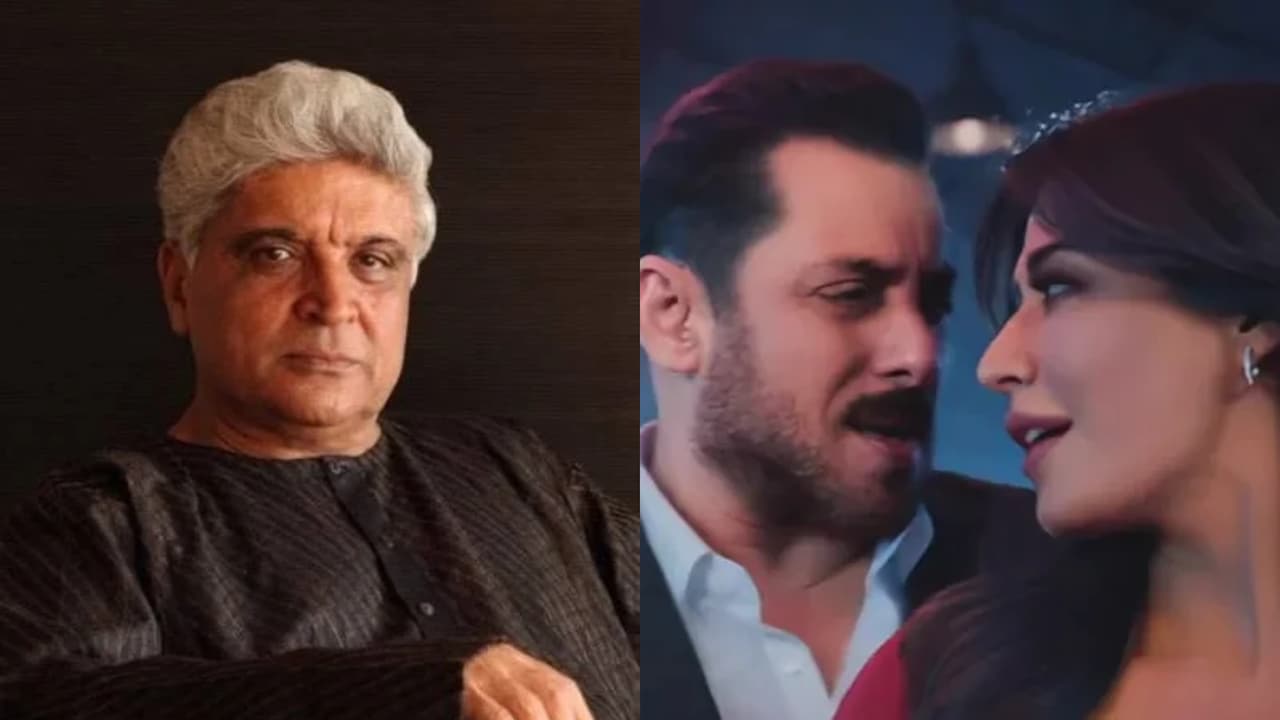
🎬 Latest Development: Javed Akhtar Critiques Modern Bollywood Lyrics: Is "Teri Sexy Beauty" the New Poetic Standard?
Akhtar Questions Lyrical Depth in Bollywood.
📋 What You Need to Know
Veteran lyricist Javed Akhtar, a towering figure in Indian cinema, has once again sparked a crucial conversation about the evolving landscape of Bollywood music. Known for his profound and evocative verses, Akhtar recently shared his discerning perspective on the quality of lyrics permeating today's songs. His poignant observation, "Language Is An Art," serves as a potent reminder of the craft involved in songwriting, directly contrasting with what he perceives as a decline in poetic depth. While the specific mention of a track like Salman Khan's hypothetical 'Maatrubhumi' song "Teri Sexy Beauty" might symbolize a broader trend, Akhtar's commentary underscores a fundamental question: has commercial viability overshadowed artistic integrity in modern Hindi film music? This discussion delves into his concerns and the implications for the future of lyrical artistry.
🎭 Complete Story
Javed Akhtar's statement isn't merely a critique but a lament for the diminishing respect for language in contemporary Bollywood songs. For decades, Hindi cinema lyrics were synonymous with poetry, weaving intricate narratives and profound emotions into melodies. Akhtar, with his own illustrious body of work, stands as a testament to this golden era. He contends that today, the emphasis has shifted dramatically from meaningful wordplay to catchy, often simplistic phrases designed for instant gratification and viral trends. The art of choosing the right word, crafting metaphors, and evoking genuine sentiment seems to have taken a backseat to rhythmic convenience and superficial appeal. This phenomenon is exacerbated by the rapid-fire production schedules and the pressure to deliver "hits" that resonate more with dance floors than with hearts. The lyrical landscape, according to Akhtar, now prioritizes superficiality over substance, reducing language from an art form to a mere functional tool. He implicitly challenges the industry to reconsider its priorities, urging lyricists and composers alike to remember that words, when wielded skillfully, possess immense power to transcend the mundane and touch the soul. The concern isn't just about a single song; it's about a systemic shift that risks eroding the rich lyrical heritage of Indian cinema.
📊 Industry Analysis
The contemporary Bollywood music industry operates under intense commercial pressures and a rapidly evolving digital landscape, significantly influencing lyrical choices. The shift towards shorter attention spans, the dominance of music streaming platforms, and the relentless demand for fresh content have transformed the songwriting process. Music labels often prioritize songs with immediate appeal, high recall value, and strong visual potential for music videos. This often translates into lyrics that are easily digestible, repetitive, and occasionally nonsensical, rather than those that are deep or thought-provoking. The rise of genre-blending and international influences also plays a role, with some lyricists attempting to fuse Hinglish or incorporate Western pop sensibilities, sometimes at the expense of linguistic purity or poetic structure. Furthermore, the collaborative nature of filmmaking means that lyrics are often dictated by the film's theme, character, or even a specific dance sequence, potentially limiting a lyricist's artistic freedom. The focus on creating "hook lines" that can go viral on social media platforms like TikTok or Instagram Reels further streamlines the lyrical content, prioritizing brevity and catchiness over profound expression. This commercial ecosystem, while driving revenue, inadvertently creates an environment where language as an art form struggles to thrive amidst the clamor for instant hits.
💬 Expert Commentary
Javed Akhtar's "Language Is An Art" isn't just a nostalgic yearning; it's a profound statement on the responsibility of artists. He emphasizes that words are not just sounds but vessels of culture, emotion, and intellect. For him, a lyricist is akin to a poet, tasked with elevating everyday language into something beautiful and lasting. He suggests that many contemporary lyricists seem to overlook this fundamental duty, opting instead for convenience and commercial viability. Akhtar implies that the craft requires dedication, a deep understanding of language, and an unwavering commitment to poetic integrity. He would likely advocate for more time and respect to be given to the lyrical process, allowing writers to truly hone their verses rather than churning out lines under tight deadlines. His critique serves as a wake-up call, urging the industry to remember that while music provides the rhythm, it is the lyrics that often provide the soul and narrative depth, connecting with audiences on a much deeper, intellectual, and emotional level. Upholding language as an art, in Akhtar's view, is crucial for the cultural richness and longevity of Bollywood music.
🎯 Key Takeaways
Javed Akhtar's insightful commentary serves as a crucial reminder that language, particularly in the realm of songwriting, is indeed an art form deserving of respect, dedication, and artistic integrity. His observations on the quality of lyrics in today's songs, symbolized by his hypothetical critique of tracks like "Teri Sexy Beauty," underscore a broader concern about the commercial pressures that often overshadow poetic depth in modern Bollywood music. While the industry continues to evolve, driven by digital trends and global influences, Akhtar's voice champions the enduring value of well-crafted words. The challenge for lyricists, composers, and producers lies in striking a delicate balance between creating commercially successful tracks and preserving the rich lyrical heritage that has historically defined Indian cinema. Ultimately, valuing language as an art is not just about nostalgia; it is about ensuring that Bollywood music continues to inspire, provoke thought, and connect with audiences on a profound, lasting level, rather than merely offering fleeting entertainment.
📢 Stay Updated
Follow Hindi Cinema News for entertainment updates. Share your thoughts in the comments.
