
Namit Malhotra Defends Ravana's Portrayal in Ramayana Film
🚨 Bollywood News Update — 2026-11-28
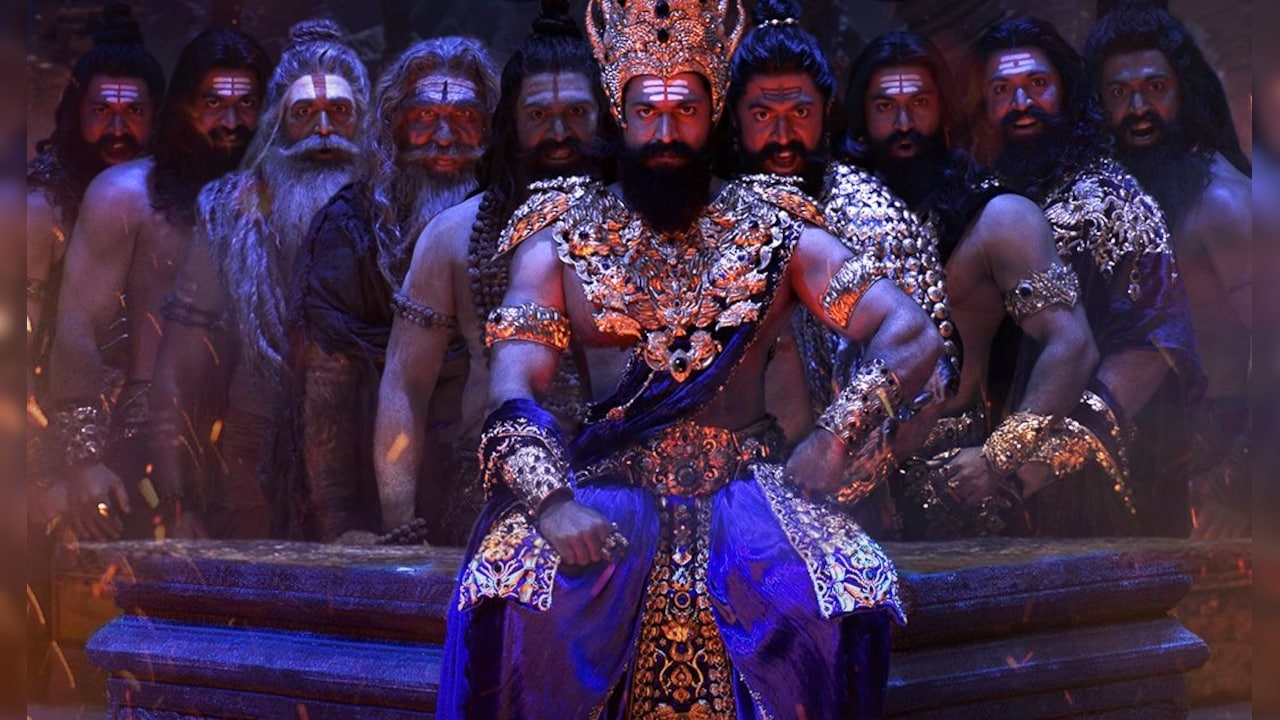
🎬 Latest Development: Ramayana Producer Namit Malhotra Clarifies Ravana's Portrayal Amidst Fan Speculation
Ravana's Character: Not Glorified
📋 What You Need to Know
The highly anticipated cinematic adaptation of the epic Ramayana continues to generate buzz, not just for its ambitious scale and stellar cast, but also for its nuanced approach to well-known characters. Recently, producer Namit Malhotra found himself at the forefront of a discussion regarding the portrayal of Ravana, the formidable king of Lanka, reportedly to be played by Yash. Malhotra unequivocally rejected suggestions that the filmmakers intend to depict Ravana as an admirable or inherently good character, a stance that addresses underlying concerns among traditionalists and fans alike. His clarification underscores the delicate balance required when bringing a revered mythological narrative to the big screen, ensuring that artistic interpretation respects the core tenets of the original epic. This statement offers crucial insight into the creative vision guiding one of Indian cinema's most ambitious projects.
🎭 Complete Story
Namit Malhotra's defense comes at a critical juncture, as details surrounding the "Ramayana" film begin to emerge, fueling both excitement and speculation. The producer was clear in his assertion: "We have not shown Ravana as good." This statement directly addresses a common apprehension in modern retellings of classic stories, where antagonists are often humanized or given sympathetic backstories that risk diluting their traditional roles. Malhotra's emphasis suggests a commitment to portraying Ravana primarily as an antagonist, albeit with the depth and complexity characteristic of a powerful ruler who challenges the divine. The decision to cast a superstar like Yash in the role of Ravana had initially sparked debates. While some fans envisioned a more heroic or multi-faceted interpretation, Malhotra's comments signal that the character's core identity as the abductor of Sita and the primary adversary of Rama will remain intact. This clarity is vital for an epic like the Ramayana, where character archetypes hold significant cultural and religious weight. The production team, according to Malhotra, is focused on crafting a compelling narrative that respects the source material while offering a cinematic experience. This means exploring Ravana's motivations and power, but within the established framework of his actions as the villain, ensuring the narrative integrity of the epic for a contemporary audience.
📊 Industry Analysis
The challenges of adapting mythological epics for modern cinema are manifold, encompassing narrative fidelity, audience expectations, and artistic interpretation. Filmmakers frequently grapple with the dilemma of presenting age-old characters in fresh, engaging ways without alienating traditional audiences. The trend of "humanizing" villains, often seen in Hollywood and increasingly in Indian cinema, aims to add psychological depth and make characters more relatable, moving beyond simplistic good-vs-evil binaries. However, this approach can be particularly contentious with revered mythological figures like Ravana, whose portrayal carries significant cultural and religious resonance. A perceived glorification or sympathetic rendering of Ravana could spark considerable backlash, given his established role as a symbol of arrogance and evil in the Ramayana. Namit Malhotra's pre-emptive clarification demonstrates an acute awareness of these sensitivities. It reflects a strategic move to manage public perception and reaffirm the production's commitment to the epic's core narrative. The industry has witnessed numerous instances where deviations from cherished narratives have led to protests and commercial failures. Therefore, balancing creative freedom with cultural reverence remains a tightrope walk for producers of large-scale mythological projects, requiring careful communication and a deep understanding of the audience's emotional attachment to these stories.
💬 Expert Commentary
"Namit Malhotra's statement is a crucial intervention in the ongoing cultural discourse surrounding mythological adaptations," observes Dr. Anjali Sharma, a cultural critic specializing in Indian cinema. "In an era where reinterpretation often borders on revisionism, a clear declaration that Ravana will not be 'shown as good' is a strategic move to reassure audiences. The Ramayana is not just a story; it's a foundational text that shapes moral and ethical frameworks for millions. Deviating significantly from the established characterization of its central antagonist carries immense risk." She further elaborates, "While exploring the complexities of a villain can make for compelling cinema, there's a fine line between complexity and outright glorification. Malhotra's statement suggests that the makers understand this distinction. They can delve into Ravana's erudition, his devotion to Shiva, and his prowess as a king, but without absolving him of his primary sin – the abduction of Sita. This approach allows for a rich portrayal that acknowledges Ravana's multifaceted nature as described in various iterations of the Ramayana, yet maintains his established role within the epic's moral universe."
🎯 Key Takeaways
Namit Malhotra's emphatic declaration that "We have not shown Ravana as good" provides much-needed clarity on one of the most talked-about aspects of the upcoming Ramayana film. His statement reassures an audience deeply invested in the epic's traditional narrative, confirming that while cinematic depth will be explored, the core antagonist role of Ravana will remain uncompromised. This strategic communication underscores the immense responsibility that comes with adapting such a culturally significant text, navigating the delicate balance between artistic interpretation and maintaining fidelity to the source material's ethical and moral compass. As the film progresses towards its release, this commitment to a nuanced yet respectful portrayal of Ravana, reportedly by Yash, sets a crucial precedent. It reinforces the understanding that while epics can be re-imagined for new generations, their foundational truths and character archetypes must be handled with utmost care and reverence, ensuring the film's success both critically and culturally.
📢 Stay Updated
Follow Hindi Cinema News for entertainment updates. Share your thoughts in the comments.
