
Vivek Oberoi's Bold Prophecy: Will SRK Fade by 2050?
🚨 Breaking Bollywood News Alert! Get the complete inside story. Updated November 20, 2025.
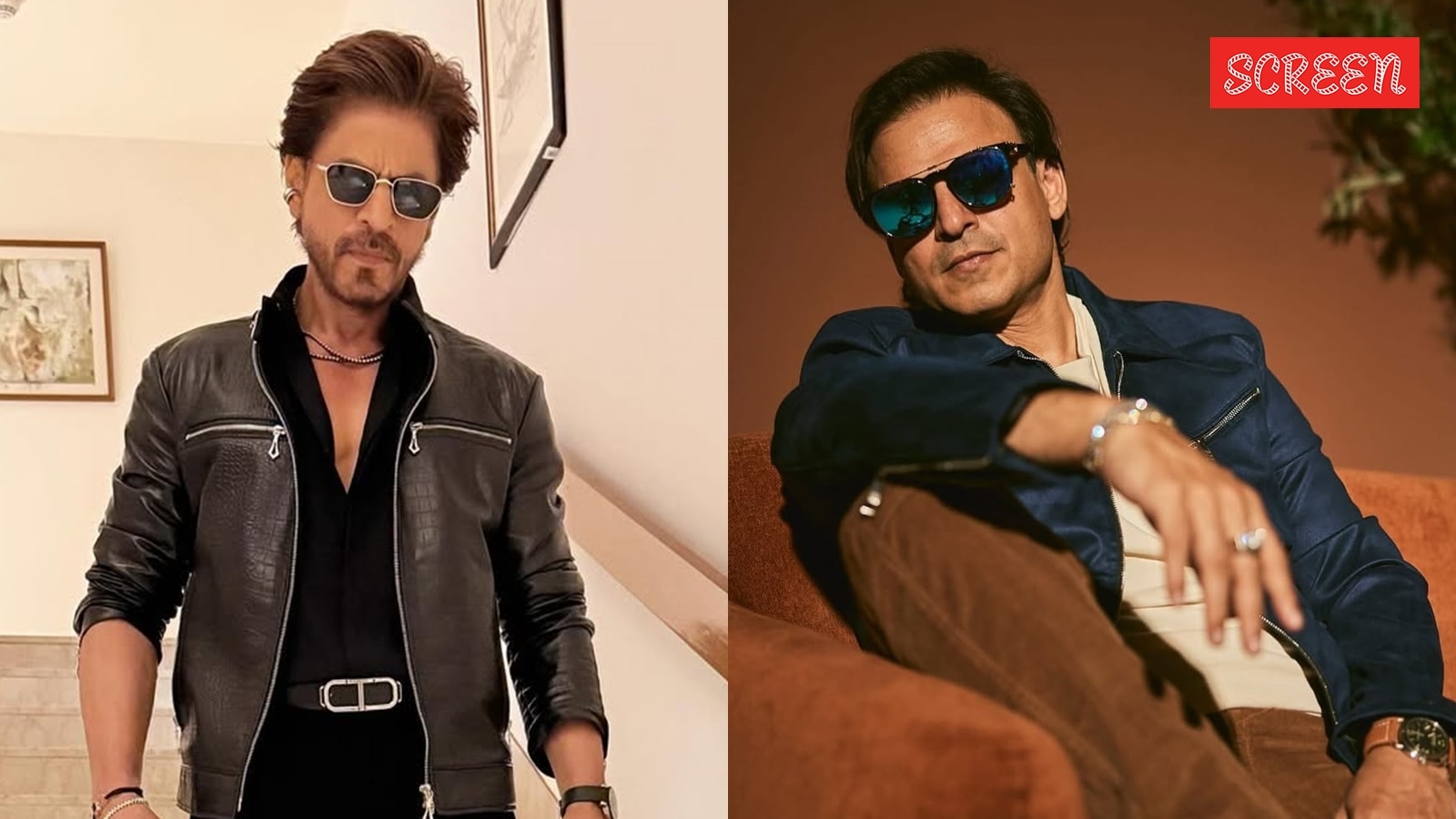
‘Kaun Shah Rukh Khan?’: Vivek Oberoi says world will forget superstar by 2050, believes youngsters don’t know Raj Kapoor
📰 RSS Feed Image
📖 Table of Contents
🎬 Latest Development: "Kaun Shah Rukh Khan?": Vivek Oberoi Predicts Superstars Will Be Forgotten by 2050 Amidst Generational Shift
Stardom's future, generational amnesia.
📋 What You Need to Know
In a provocative statement that has reverberated across the Indian entertainment landscape, actor Vivek Oberoi boldly asserted that even the towering presence of Shah Rukh Khan might be forgotten by the year 2050. His rhetorical question, "Kaun Shah Rukh Khan?", isn't merely a controversial soundbite but a deeper commentary on the evolving dynamics of celebrity culture and the potential for generational amnesia in a fast-paced world. Oberoi's remarks highlight a perceived disconnect between older and younger audiences regarding iconic figures, drawing a stark comparison to how today's youth often lack familiarity with legendary stars like Raj Kapoor, associating more readily with contemporary figures such as Ranbir Kapoor. This sentiment probes the very essence of enduring fame in the 21st century.
🎭 Complete Story
Vivek Oberoi's recent comments have opened a Pandora's Box concerning the shelf life of superstardom. His prediction that figures like Shah Rukh Khan could fade from collective memory by 2050 is rooted in an observation of how quickly cultural touchstones shift. Oberoi articulated that while his generation grew up with indelible images of stars like Shah Rukh Khan and Amitabh Bachchan, the current crop of youngsters, immersed in a vastly different media ecosystem, may not carry the same reverence. He emphasized that the constant influx of new content, global artists, and diverse forms of entertainment means that sustained attention on any single personality is becoming increasingly challenging. The digital age, with its rapid consumption cycles and the rise of short-form content, creates a landscape where celebrity relevance can be fleeting. Oberoi drew a compelling parallel with the legendary Raj Kapoor, a monumental figure in Indian cinema whose artistic contributions shaped an era. He noted that despite Kapoor's immense legacy, many young people today are unfamiliar with his work, instead associating the 'Kapoor' name primarily with Ranbir Kapoor. This illustrates a profound generational gap in cultural memory. Oberoi's point is not to diminish Shah Rukh Khan's current status but to provoke thought about the future trajectory of fame, suggesting that the mechanisms that built enduring stardom in the past may no longer guarantee perpetual remembrance in an increasingly fragmented and fast-paced global culture.
📊 Industry Analysis
The entertainment industry is undeniably experiencing a paradigm shift, and Oberoi's comments tap directly into these underlying anxieties. The traditional pathways to superstardom – consistent box office hits, iconic roles, and a strong media presence – are being augmented, and at times supplanted, by new metrics of influence. Social media engagement, global streaming success, and viral moments now contribute significantly to a celebrity's reach. This fragmentation of media consumption means that a star's influence, while potentially wider, can also be more diffuse and less concentrated than in previous eras. The sheer volume of content available globally means audiences are exposed to a broader array of talent, making it harder for any single personality to dominate the cultural conversation for an extended period. For younger demographics, their 'superstars' might be K-Pop idols, TikTok creators, or international Netflix sensations, rather than traditional Bollywood actors. This shift challenges the very definition of a 'superstar' and raises questions about how the industry will cultivate and sustain long-term celebrity status in an environment where trends move at lightning speed and loyalty is often fleeting. The industry must innovate in branding, content creation, and audience engagement to ensure that future generations connect with and remember current icons.
💬 Expert Commentary
"Vivek Oberoi's remarks underscore a critical point about the 'attention economy' we now inhabit," explains Dr. Priya Singh, a media historian. "Fame is no longer a static construct; it's a dynamic, constantly renegotiated entity. For a superstar like Shah Rukh Khan, who has cultivated a multi-generational fanbase, the challenge isn't immediate disappearance but rather a shift in the *nature* of his legacy. Future generations might encounter him through archival footage, academic studies, or specific cultural references rather than being active consumers of his current work. The Raj Kapoor example is apt: he's remembered, but perhaps not actively consumed by most youth. The question isn't 'will they be forgotten?' but 'how will they be remembered, and by whom?' Stardom in 2050 will likely be less about universal recognition and more about cultural significance within specific, diverse communities."
🔗 Related Context
The discussion about the impermanence of celebrity is not new and extends beyond the Indian film industry. Throughout history, countless figures once considered immensely famous have faded into relative obscurity, known only to historians or niche enthusiasts. However, the current digital age accelerates this process, with new celebrities emerging daily across various platforms, from YouTube to Instagram to TikTok. This constant churn creates a highly competitive environment where maintaining relevance requires continuous engagement and adaptation. Even in sports or music, the heroes of one decade might be unfamiliar to the next generation, highlighting a universal trend. The shift from a few dominant media gatekeepers to a decentralized, user-driven content landscape fundamentally alters how fame is created, sustained, and ultimately, remembered.
🔍 Explore More Bollywood Content
Stay connected with the latest happenings in Hindi cinema:
Get the latest breaking news and updates from Hindi cinema
Latest box office numbers and film business analysis
First look at movies coming soon to theaters
💡 Visit Hindi Cinema News for more.
🎯 Key Takeaways
Vivek Oberoi's provocative "Kaun Shah Rukh Khan?" assertion compels a necessary introspection into the future of celebrity and the enduring power of legacy in a rapidly changing world. While the complete obliteration of a legend's memory seems extreme, his comments highlight the very real challenge of maintaining universal relevance across generations amidst a fragmented media landscape. The comparison to Raj Kapoor serves as a potent reminder that even the grandest stars can become figures of historical interest rather than active cultural touchstones for new audiences. The conversation Oberoi has initiated is crucial for artists, industry professionals, and audiences alike, prompting a re-evaluation of what constitutes lasting fame and how cultural memory is preserved in an age defined by constant digital churn and evolving generational perspectives.
❓ Frequently Asked Questions
Q: When did this news break?
A: This story was reported today with comprehensive coverage as details emerge.
Q: What makes this significant?
A: This development represents an important moment in the Hindi film industry.
📢 Stay Updated
Don't miss breaking entertainment news! Follow us for real-time updates.
What's your take? Share your thoughts in the comments!
