
Hariharan & Leslie Lewis on AR Rahman's 'Communal' Remark
🚨 Breaking Bollywood News Alert! Get the complete inside story. Updated January 17, 2026.
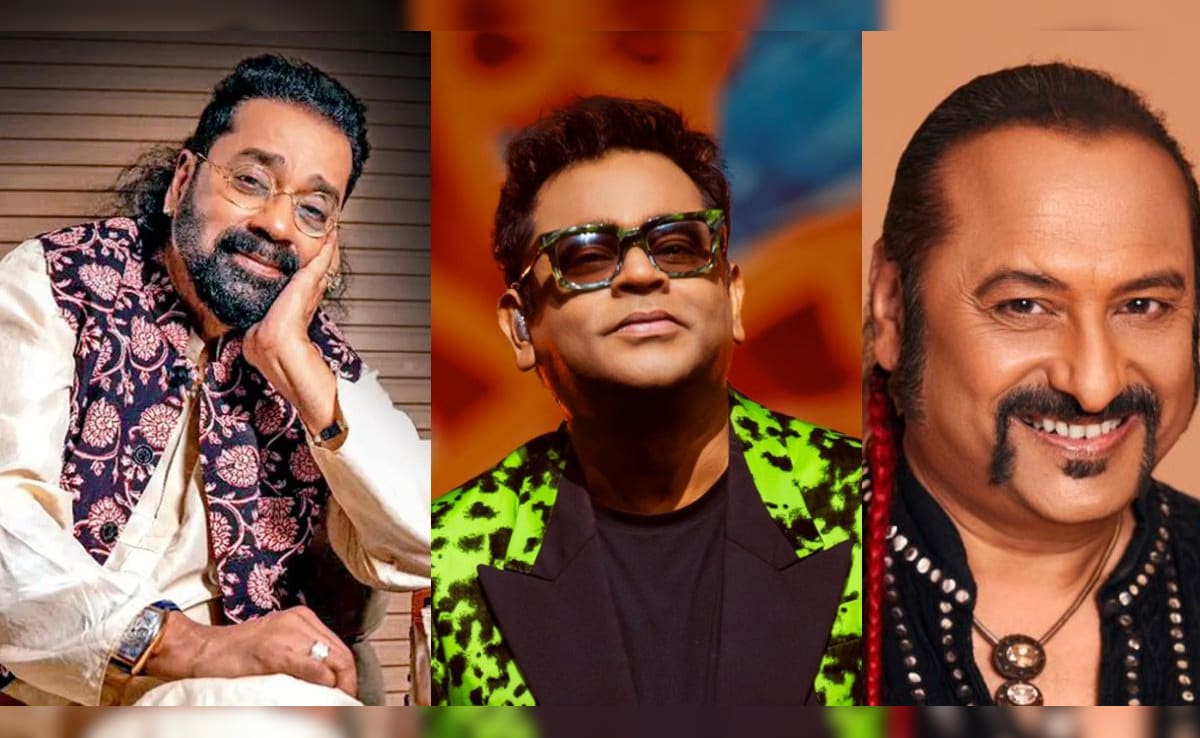
On AR Rahman's "Communal" Remark, Hariharan And Leslie Lewis Say, "Have To Think About Creativity First, Money Later"
📰 RSS Feed Image
📖 Table of Contents
🎬 Latest Development: Creativity Over Commerce: Hariharan & Leslie Lewis Weigh In on AR Rahman's Controversial Bollywood Remarks
Creativity First, Money Later: Musicians.
📋 What You Need to Know
The recent "communal" remark by Oscar-winning composer AR Rahman regarding his work in the Hindi film industry has sent ripples across the music fraternity, prompting varied responses from his peers. Veteran vocalists and music composers Hariharan and Leslie Lewis, both stalwarts in their own right, have offered a more introspective and nuanced perspective on the matter. Their reactions move beyond the direct accusation, focusing instead on the larger ecosystem of the music industry. Hariharan described the current environment as "neither black nor white," while Leslie Lewis emphasized the importance of prioritizing creativity and artistic integrity over immediate financial gains, providing a philosophical counterpoint to Rahman's more pointed critique.
🎭 Complete Story
AR Rahman’s comment, alleging that a "communal gang" was actively hindering his work in Bollywood, was a stark statement from an artist typically known for his reserved demeanor. This prompted many in the industry to reflect on the challenges faced by musicians. Hariharan, a maestro in his own field, offered a perspective that sought to de-escalate the direct communal accusation. He articulated that the modern music industry's ecosystem is far from straightforward, describing it as "neither black nor white." This suggests a complex web of factors at play, including changing trends, new talent, director-composer relationships, and commercial pressures, rather than a singular, malicious, or communally motivated force. Hariharan's view points to the inherent subjectivity and multifaceted nature of creative work and its distribution. Leslie Lewis, another celebrated musician known for his pioneering work in Indian pop, echoed a similar sentiment with a clear emphasis on artistic priorities. Lewis stressed the importance of focusing on "creativity first, money later." This philosophical approach suggests that true artists should remain dedicated to their craft and passion, even if it means navigating periods of reduced commercial work. His advice implicitly acknowledges that financial fluctuations are part and parcel of a creative career, and maintaining artistic integrity should be paramount. Both Hariharan and Leslie Lewis, through their measured responses, urged a broader understanding of the industry's ebb and flow, encouraging artists to find resilience and focus on their core passion amidst changing circumstances, rather than attributing setbacks to divisive elements.
📊 Industry Analysis
The Indian music industry, particularly its Bollywood segment, is a constantly evolving landscape. The shift from traditional music labels and film-specific soundtracks to independent music, streaming platforms, and social media trends has dramatically altered how artists find work and sustain their careers. For established composers like AR Rahman, who rose to prominence in an era dominated by large-scale film productions, adapting to these changes can present unique challenges. The "ecosystem" Hariharan speaks of encompasses these myriad factors: the rise of new, often younger, composers who bring fresh sounds; the commercial demands of producers who might favor certain popular styles; the influence of director-composer pairings; and the increasing competition from a globalized music market. In this environment, an artist's perceived "slowdown" could be attributed to a confluence of factors – a shift in a director's preference, a change in market demand for a particular musical genre, or simply the natural cycle of an artist's career where peaks and troughs are inevitable. The industry thrives on innovation and staying current, which can sometimes mean that even legendary figures might find themselves temporarily out of sync with prevailing trends, making the "creativity first, money later" philosophy a crucial mindset for long-term artistic survival and contentment.
💬 Expert Commentary
Hariharan, with his deep roots in both classical and film music, brings a seasoned perspective to the discussion. His description of the current ecosystem as "neither black nor white" suggests a refusal to oversimplify complex industry dynamics into a single, prejudicial narrative. He likely implies that multiple shades of grey—from creative choices to commercial pressures, and personal relationships—contribute to an artist's work opportunities. This nuanced view calls for a more holistic understanding rather than a direct accusation. Leslie Lewis, a pioneer in the Indipop movement and a celebrated composer, reinforces this by advocating for "creativity first, money later." This statement isn't just about financial prudence; it’s a philosophical stance on the artistic journey. Lewis, having witnessed the highs and lows of the music business, understands that artistic fulfillment often comes from prioritizing the craft itself, rather than solely focusing on the commercial outcomes. Their combined commentary offers a mature and reflective counter-narrative, urging artists to internalize challenges within the broader context of a dynamic, often unpredictable, creative industry.
🔗 Related Context
The debate sparked by AR Rahman's comments is not unique to him or Bollywood. Artists across various creative industries globally often grapple with fluctuations in work, perceived favoritism, and the challenge of staying relevant. In Hollywood, similar discussions about "blacklisting" or "camps" have surfaced periodically, often attributed to power brokers or specific studios rather than communal bias. Within the Indian context, other musicians and artists have also spoken about the difficulties of maintaining a consistent presence, citing factors like the dominance of certain music directors, the influence of production houses, or the changing tastes of audiences. These discussions highlight the inherent challenges of a creative career where success is rarely linear and often influenced by factors beyond individual talent. The advice from Hariharan and Leslie Lewis resonates with a universal artistic truth: that passion and dedication to one's craft are often the most enduring assets in a volatile industry.
🔍 Explore More Bollywood Content
Stay connected with the latest happenings in Hindi cinema:
Exclusive stories about your favorite Bollywood stars
Comprehensive coverage of the Indian film industry
Expert reviews and ratings of the latest Hindi films
💡 Visit Hindi Cinema News for more.
🎯 Key Takeaways
AR Rahman's "communal" remark about his Bollywood work prompted a thoughtful response from Hariharan and Leslie Lewis, who offered a more nuanced view of the industry's complexities. Instead of confirming a communal bias, they highlighted the "neither black nor white" nature of the ecosystem and the crucial importance of prioritizing "creativity first, money later." Their insights underscore that fluctuations in an artist's career are often a result of evolving industry trends, commercial demands, and artistic choices, rather than malicious intent or communal discrimination. This perspective encourages artists to maintain their artistic integrity and focus on their craft, navigating the dynamic challenges of the music world with resilience and a long-term vision. The conversation ultimately enriches our understanding of the multifaceted forces shaping Bollywood's musical landscape.
❓ Frequently Asked Questions
Q: When did this news break?
A: This story was reported today with comprehensive coverage as details emerge.
Q: What makes this significant?
A: This development represents an important moment in the Hindi film industry.
📢 Stay Updated
Don't miss breaking entertainment news! Follow us for real-time updates.
What's your take? Share your thoughts in the comments!
