
Kerala Story 2 Producer Addresses 'Communal Agenda' Backlash
🚨 Breaking Bollywood News Alert! Get the complete inside story. Updated February 21, 2026.
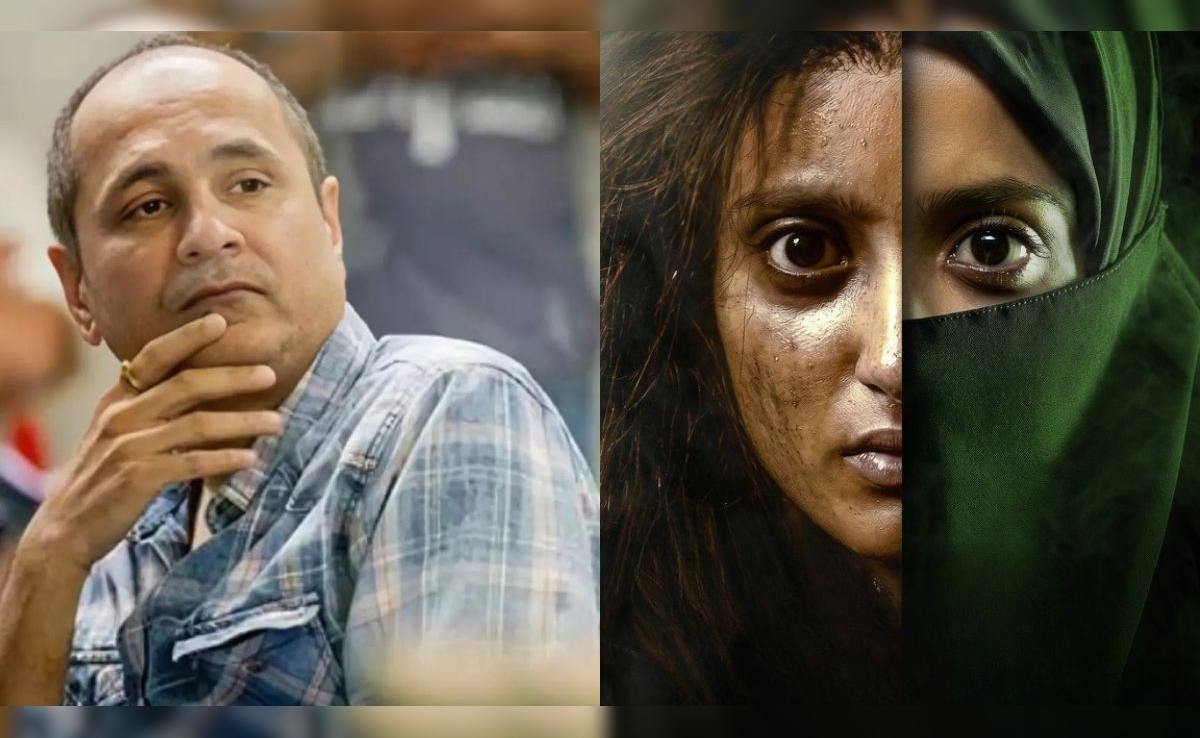
Kerala Story 2 Producer Vipul Amrutlal Shah Addresses Backlash Over 'Communal Agenda' Remark: "We Are Not After Kerala"
📰 RSS Feed Image
📖 Table of Contents
🎬 Latest Development: "We Are Not After Kerala": Vipul Amrutlal Shah Defends 'Kerala Story 2' Amidst Communal Agenda Claims
Producer Addresses Film Controversy Head-on
📋 What You Need to Know
The original film 'The Kerala Story' sparked widespread national debate and controversy upon its release, dividing audiences and critics alike over its portrayal of religious conversions and radicalization. Now, as discussions begin around 'Kerala Story 2,' its producer, Vipul Amrutlal Shah, has proactively stepped forward to address the inevitable backlash and allegations of a "communal agenda." In a direct and unequivocal statement, Shah asserted, "We are not after Kerala," aiming to clarify the film's intent and distance it from politicized interpretations. This pre-emptive defense highlights the sensitive nature of the subject matter and the challenges filmmakers face when tackling socio-political themes, especially in a polarized environment. Shah also reassured that, unlike its predecessor which faced threats, "Till now, there has been no threat to this film."
🎭 Complete Story
Vipul Amrutlal Shah's assertion, "We are not after Kerala," is a direct response to the persistent accusations that 'The Kerala Story' and its upcoming sequel are designed with a "communal agenda." The original film faced severe criticism for allegedly propagating a biased narrative and misrepresenting facts, leading to bans in some states and strong endorsements in others. By explicitly stating that their intent is not to target an entire state or community, Shah aims to reframe the conversation around 'Kerala Story 2' as one focused on specific issues rather than broad generalizations. This clarification is crucial in managing public perception and mitigating potential protests and legal challenges that often plague films on sensitive topics. Furthermore, Shah's comment, "Till now, there has been no threat to this film," offers a stark contrast to the tumultuous release of the first part, which saw its cast and crew facing security concerns and calls for censorship. This suggests that while the subject remains controversial, perhaps the discourse around the sequel is, at least initially, less volatile, or the production team has implemented more robust measures. The producer's proactive engagement with the media and his willingness to address these allegations head-on indicate a strategic effort to control the narrative and ensure the film's smooth production and eventual release, attempting to shift focus from the 'communal' label to the 'story' itself.
📊 Industry Analysis
The Indian film industry has increasingly become a battleground for narratives that touch upon sensitive socio-political and religious issues. Films like 'The Kerala Story' and its impending sequel exemplify this trend, often sparking intense national debates, protests, and accusations of propaganda. For producers like Vipul Amrutlal Shah, navigating this landscape requires a delicate balance between artistic freedom, commercial viability, and managing public and political backlash. Such films often find themselves caught between those who champion them as brave exposes of truth and those who condemn them as divisive and communally charged. This polarization creates significant challenges for filmmakers, from securing financing to ensuring safe production environments and smooth theatrical releases. The phenomenon also highlights the growing influence of social media and political discourse in shaping a film's reception, often before its release. Producers must not only defend their creative choices but also engage in public relations battles to counter negative narratives. While these controversies often generate immense publicity, they also risk alienating large segments of the audience and inviting censorship, making the production of such content a high-stakes endeavor in the current Indian socio-political climate.
💬 Expert Commentary
"In a polarized society, films that touch upon sensitive socio-political or religious themes invariably become flashpoints for public discourse," observes Dr. Ananya Singh, a film critic and cultural studies expert. "Vipul Amrutlal Shah's proactive stance in addressing the 'communal agenda' allegation for 'Kerala Story 2' is a strategic move to preemptively control the narrative. By stating 'We are not after Kerala,' he aims to shift the focus from a broad generalization to the specific issues the film intends to explore. However, the controversy surrounding the first film has already set a precedent, making it challenging for the sequel to escape similar scrutiny. The success or failure of such films often lies not just in their cinematic merit but in their ability to navigate the complex interplay of audience perception, political endorsement, and cultural reception. The claim of 'no threats till now' is also notable, suggesting perhaps a more cautious approach from all sides, or a different kind of public engagement compared to the highly charged atmosphere surrounding the original."
🔗 Related Context
The controversy surrounding 'The Kerala Story' and the pre-emptive defense for its sequel echo a pattern seen with several other Indian films that have tackled contentious themes. Movies like 'Padmaavat,' 'Ae Dil Hai Mushkil,' and even the documentary 'Kali' faced significant backlash, protests, and calls for bans over perceived historical inaccuracies, religious sentiments, or cultural offense. These incidents highlight the tightrope walk filmmakers undertake in India, where artistic expression often collides with deeply held beliefs and political sensitivities. The debates around such films often transcend cinematic critique, becoming broader discussions on freedom of speech, censorship, and the role of cinema in shaping public opinion. The 'no threat' statement from Shah also brings to mind the security challenges faced by directors and actors of films like 'Padmaavat,' underscoring the real-world implications of these cinematic controversies.
🔍 Explore More Bollywood Content
Stay connected with the latest happenings in Hindi cinema:
Exclusive stories about your favorite Bollywood stars
Breaking news from the world of Hindi cinema
Comprehensive coverage of the Indian film industry
💡 Visit Hindi Cinema News for more.
🎯 Key Takeaways
Vipul Amrutlal Shah's candid remarks regarding 'Kerala Story 2' and his firm denial of a "communal agenda" underscore the persistent challenges faced by filmmakers who venture into sensitive socio-political territories. His assertion, "We are not after Kerala," aims to redirect the conversation towards the film's intended narrative rather than broad allegations, while his reassurance about the absence of threats offers a glimmer of hope for a less tumultuous release. As discussions around 'Kerala Story 2' continue to unfold, the film stands as a potent reminder of cinema's power to provoke thought, spark debate, and reflect societal anxieties. Its reception will undoubtedly contribute to the ongoing national dialogue on artistic freedom, responsible storytelling, and the delicate balance between creative expression and public perception in a diverse and often polarized nation.
❓ Frequently Asked Questions
Q: When did this news break?
A: This story was reported today with comprehensive coverage as details emerge.
Q: What makes this significant?
A: This development represents an important moment in the Hindi film industry.
📢 Stay Updated
Don't miss breaking entertainment news! Follow us for real-time updates.
What's your take? Share your thoughts in the comments!
