
Zeenat Aman on Moral Policing in 'Dostana' & 'Teesri Aankh'
🚨 Breaking Bollywood News Alert! Get the complete inside story. Updated February 6, 2026.
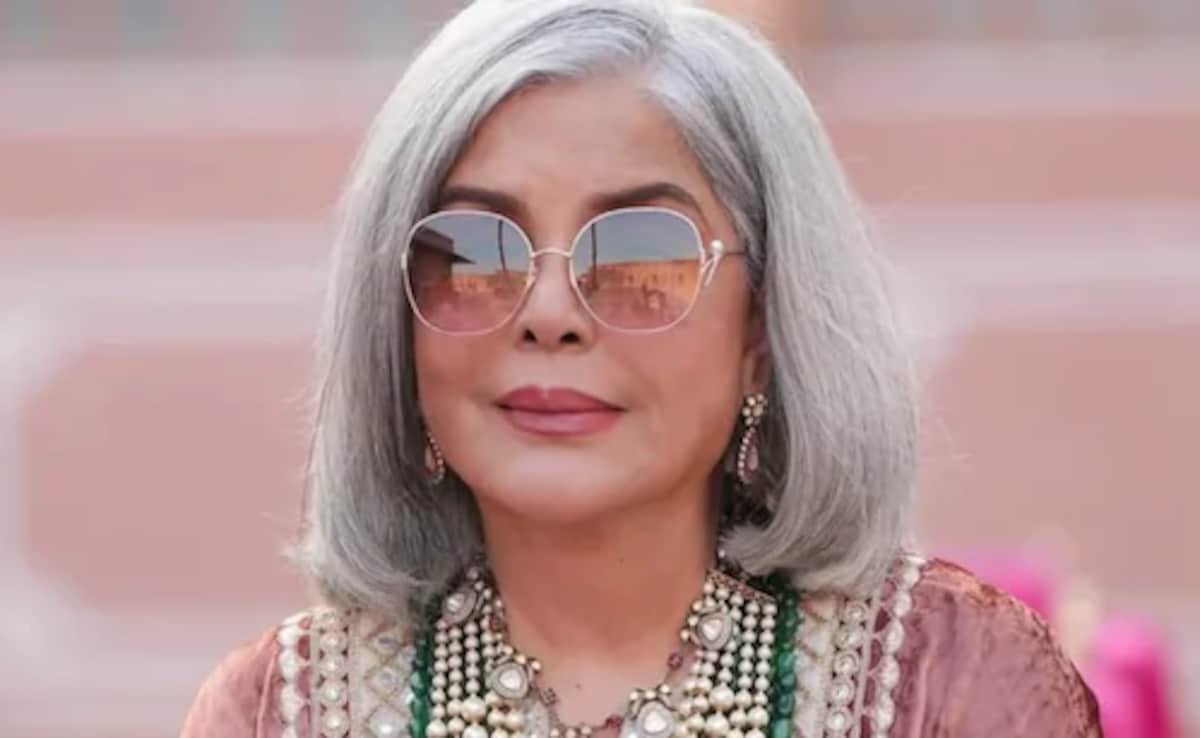
Zeenat Aman Calls Out Moral Policing In Dostana And Teesri Aankh: "That Opinion And Tone Were Par For The Course"
📰 RSS Feed Image
📖 Table of Contents
🎬 Latest Development: Zeenat Aman Calls Out Moral Policing In Dostana And Teesri Aankh: "Opinion And Tone Were Par For The Course"
Aman reflects on film moral policing.
📋 What You Need to Know
Veteran actress Zeenat Aman, revered for her trailblazing roles and candid perspectives, has once again sparked a pertinent conversation, this time by reflecting on the moral policing prevalent in Hindi cinema of her era. Through a thought-provoking social media post, Aman drew a sharp contrast between two of her films, "Dostana" and "Teesri Aankh," using them as examples to highlight the shifting, yet often rigid, societal expectations placed upon female characters. Her observation, "That opinion and tone were par for the course," underscores the normalized scrutiny and judgment heroines faced. She provocatively asks, "Did things really change quite that radically for Hindi cinema heroines in the two short years between the two films?" inviting a deeper look into the industry's evolution and its portrayal of women.
🎭 Complete Story
Zeenat Aman, an icon who redefined the image of the Hindi film heroine in the 70s and 80s, has consistently used her platform to offer insightful commentary on the industry and society. Her latest reflection delves into the often-unspoken issue of moral policing that permeated cinema during her active years. Aman specifically referenced two films from her career, "Dostana" (1980) and "Teesri Aankh" (1982), to illustrate her point about the contradictory moral standards applied to female characters, even within a short span of time.
📊 Industry Analysis
Zeenat Aman's commentary on moral policing in "Dostana" and "Teesri Aankh" provides a critical lens through which to examine the history of female representation in Hindi cinema. Her insights highlight how the industry, often a reflection of societal values, grappled with modern female identities while simultaneously adhering to traditional moral codes. This moral policing wasn't just about censorship; it manifested in how female characters were framed, judged, and ultimately dictated their fates within narratives. The "par for the course" observation points to a systemic issue where heroines, especially those embodying a degree of agency or sensuality, were subjected to a different set of standards than their male counterparts. Aman's question about the rapid change between films underscores the superficiality of some industry shifts, suggesting that while aesthetics might evolve, deeply ingrained patriarchal biases often persist. This discussion is crucial for understanding the ongoing challenges in creating nuanced, non-judgmental portrayals of women in contemporary cinema and the continuous struggle against ingrained moralistic perspectives.
💬 Expert Commentary
"Zeenat Aman's observation is incredibly pertinent," says Dr. Kavita Singh, a professor of gender studies and cinema. "The moral policing she describes wasn't just external; it was often internalized by filmmakers and screenwriters, leading to 'punishments' for characters who defied norms. Her question about the two-year gap between films is brilliant, forcing us to consider if superficial narrative changes truly equate to genuine progress in female representation, or if the underlying conservative gaze persisted." Film critic Anupama Chopra adds, "Actresses like Zeenat Aman were pioneers, pushing boundaries in an era that was often uncomfortable with strong, independent women. Her reflection reminds us that the fight for authentic female portrayals is ongoing. The industry has made strides, but the remnants of that 'opinion and tone' she mentions can still be found in certain narratives today, particularly in how female ambition or sexuality is sometimes depicted."
🔗 Related Context
The issue of moral policing in Indian cinema is not unique to Zeenat Aman's era. From the 1950s with figures like Nargis and Madhubala facing scrutiny for their on-screen personas, to contemporary actresses who still battle online trolls and conservative backlash for their choices, the phenomenon persists. Films like "Lipstick Under My Burkha" or "Veere Di Wedding" have recently faced immense resistance and censorship for their depictions of female sexuality and agency, echoing the very challenges Aman speaks of. Even today, heroines are often expected to maintain a certain "image," and deviations can lead to public criticism. This continuous struggle highlights a broader societal discomfort with female autonomy and expression, demonstrating that while the industry might appear more progressive on the surface, the deeply ingrained moralistic judgments against women on screen continue to influence narratives and audience reception, making Aman's historical perspective highly relevant to current debates.
🔍 Explore More Bollywood Content
Stay connected with the latest happenings in Hindi cinema:
Exclusive stories about your favorite Bollywood stars
Breaking news from the world of Hindi cinema
Latest box office numbers and film business analysis
💡 Visit Hindi Cinema News for more.
🎯 Key Takeaways
Zeenat Aman's insightful reflection on moral policing in "Dostana" and "Teesri Aankh" serves as a powerful reminder of the enduring struggles faced by women in Hindi cinema. Her candid assessment that a "moralistic opinion and tone" was "par for the course" underscores the pervasive scrutiny and judgmental lens applied to female characters during her time. The provocative question she poses about the radical change in just two years challenges us to look beyond superficial shifts and examine the deeper, often unyielding, societal expectations placed on heroines. Aman's voice continues to be invaluable, not just for illuminating the past, but for informing ongoing conversations about gender representation, authenticity, and the continuous fight against ingrained biases in the entertainment industry. Her reflections are a call to action for creators to craft narratives that truly empower women, free from the shackles of moral judgment.
❓ Frequently Asked Questions
Q: When did this news break?
A: This story was reported today with comprehensive coverage as details emerge.
Q: What makes this significant?
A: This development represents an important moment in the Hindi film industry.
📢 Stay Updated
Don't miss breaking entertainment news! Follow us for real-time updates.
What's your take? Share your thoughts in the comments!
